


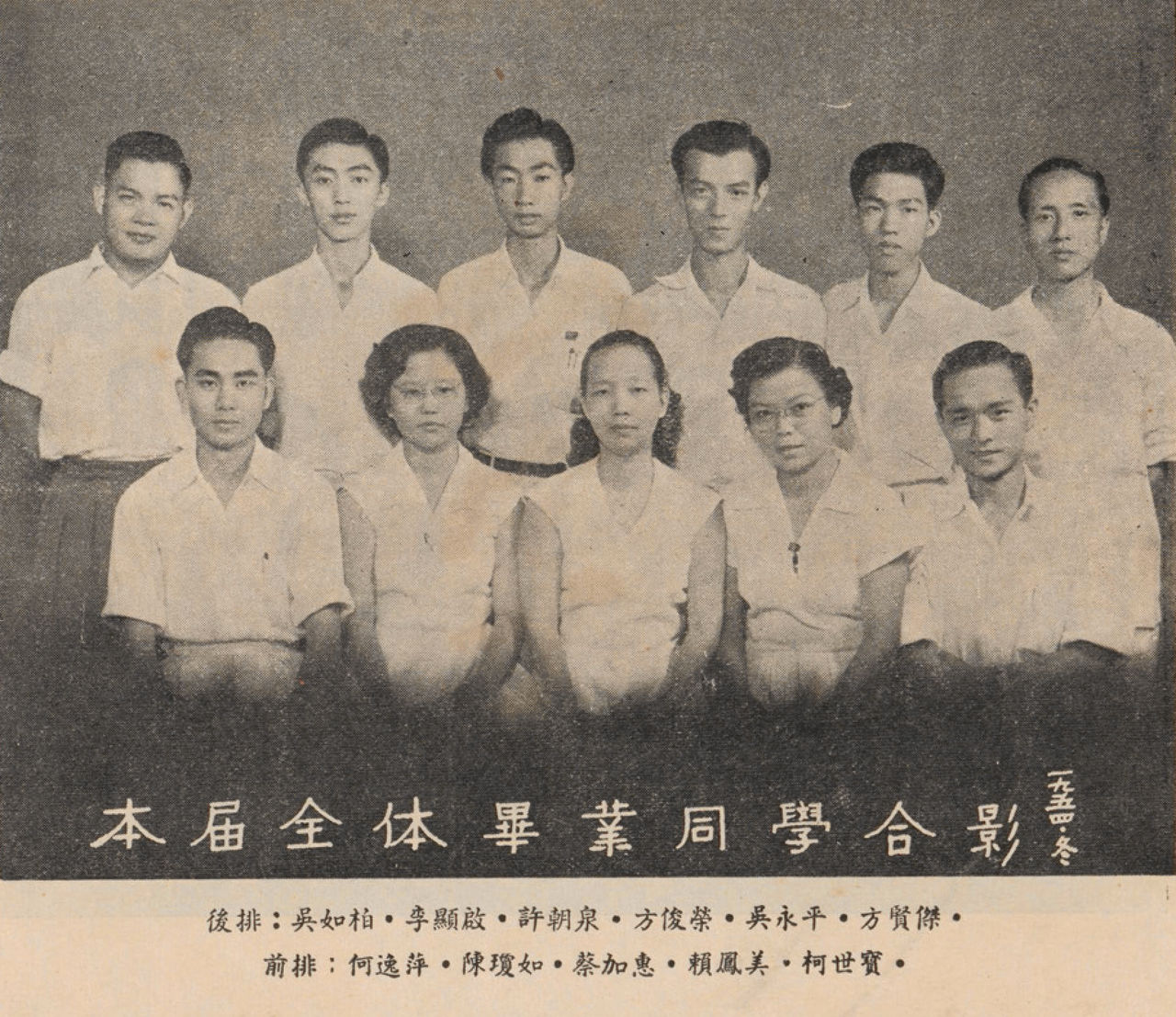
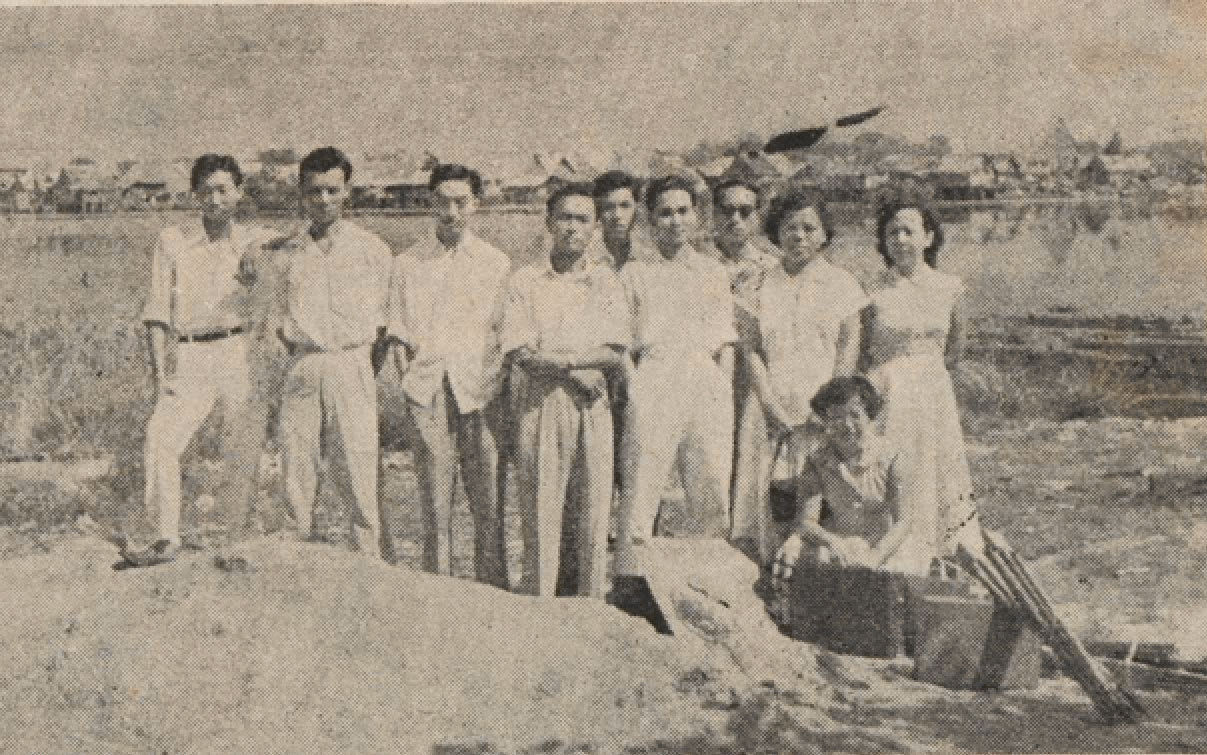
Back row (left to right): 吳如柏 (Wu Rubo)、李顯啟 (Li Xianqi)、許朝泉 (Xu Chaoquan)、方俊榮 (Fang Junrong)、 吳永平 (Wu Yongping)、方質偉 (Fang Zhiwei)。
Front row (left to right): 何遠鋒 (He Yuanfeng)、陳翼如 (Chen Yiru)、 蔡加忠 (Cai Jiazhong)、賴鳳美 (Lai Foong Moi)、柯世實 (Ke Shishi).
Nanyang Academy of Fine Arts Graduation Magazine, 1954. Reproduction, 2026. Image courtesy of Nanyang Academy of Fine Arts, University of the Arts Singapore.
Lai with her graduating class. Back row (left to right): 吳如柏 (Wu Rubo)、李顯啟 (Li Xianqi)、許朝泉 (Xu Chaoquan)、方俊榮 (Fang Junrong)、 吳永平 (Wu Yongping)、方質偉 (Fang Zhiwei)。
Front row (left to right): 何遠鋒 (He Yuanfeng)、陳翼如 (Chen Yiru)、 蔡加忠 (Cai Jiazhong)、賴鳳美 (Lai Foong Moi)、柯世實 (Ke Shishi).
Nanyang Academy of Fine Arts Graduation Magazine, 1954. Reproduction, 2026. Image courtesy of Nanyang Academy of Fine Arts, University of the Arts Singapore.
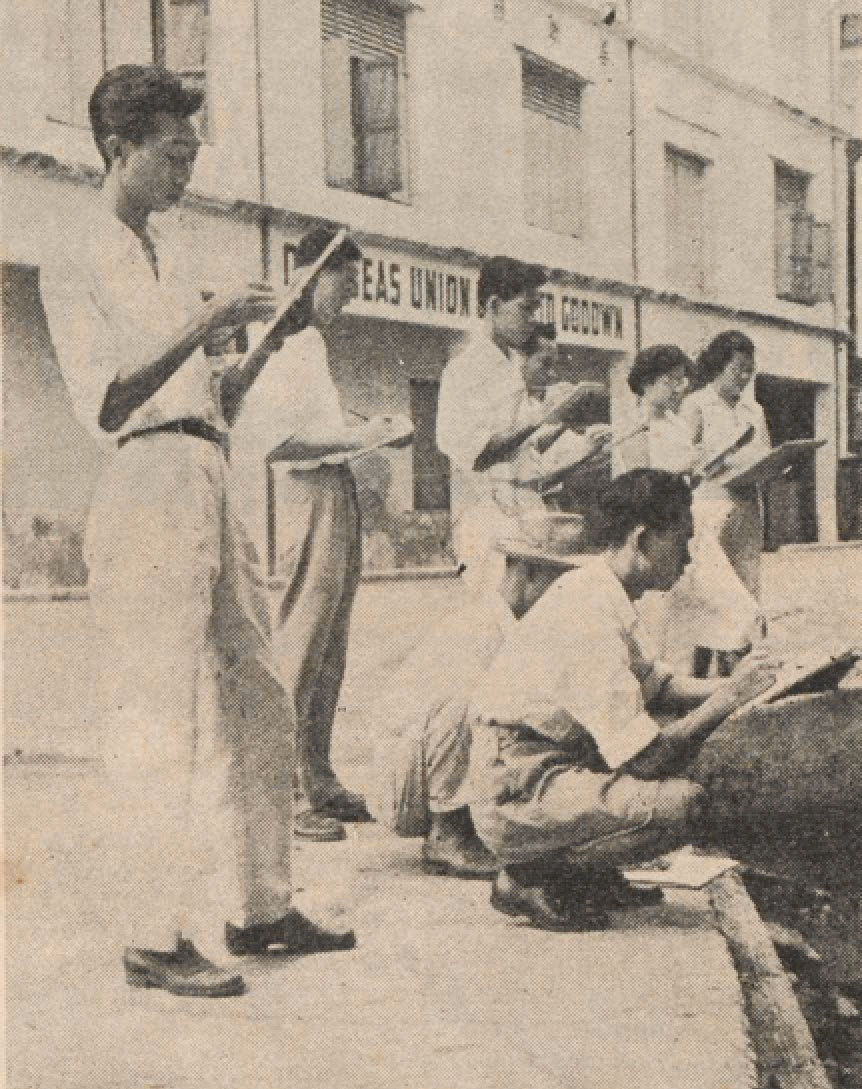
Nanyang Academy of Fine Arts Graduation Magazine, 1954. Reproduction, 2026. Images courtesy of Nanyang Academy of Fine Arts, University of the Arts Singapore.
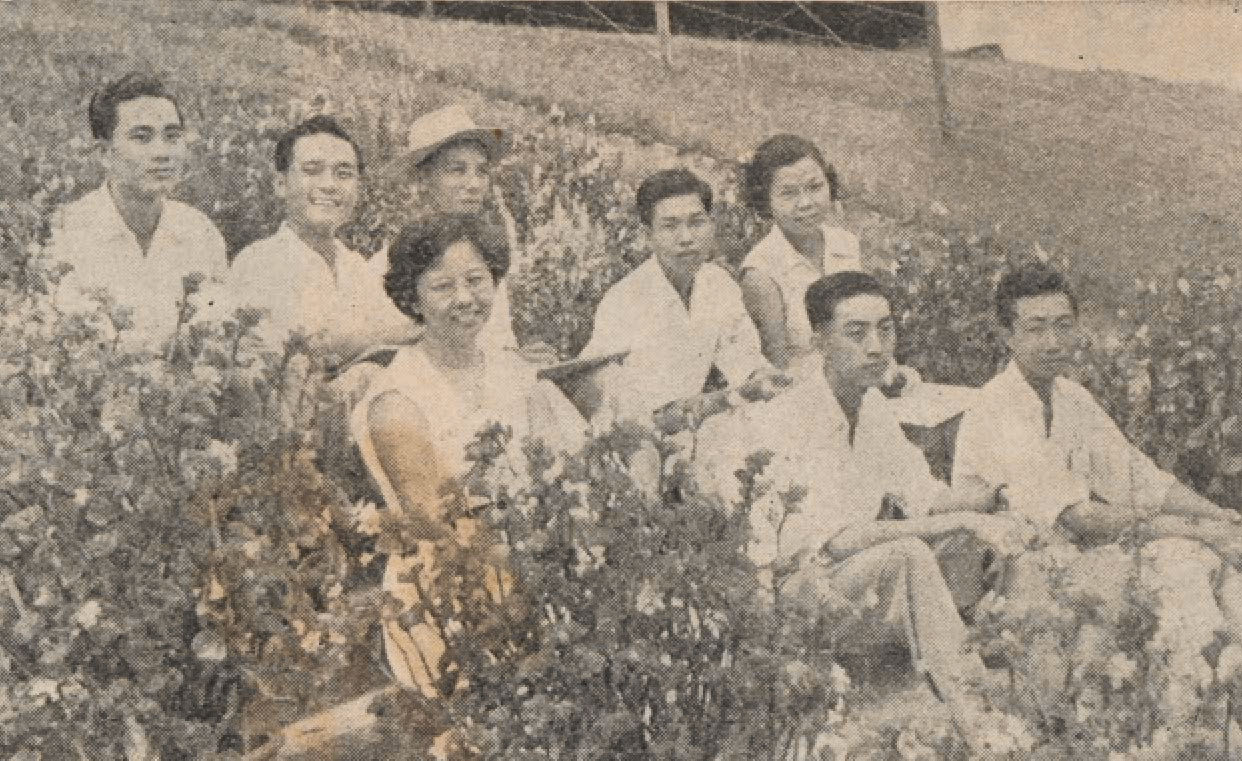
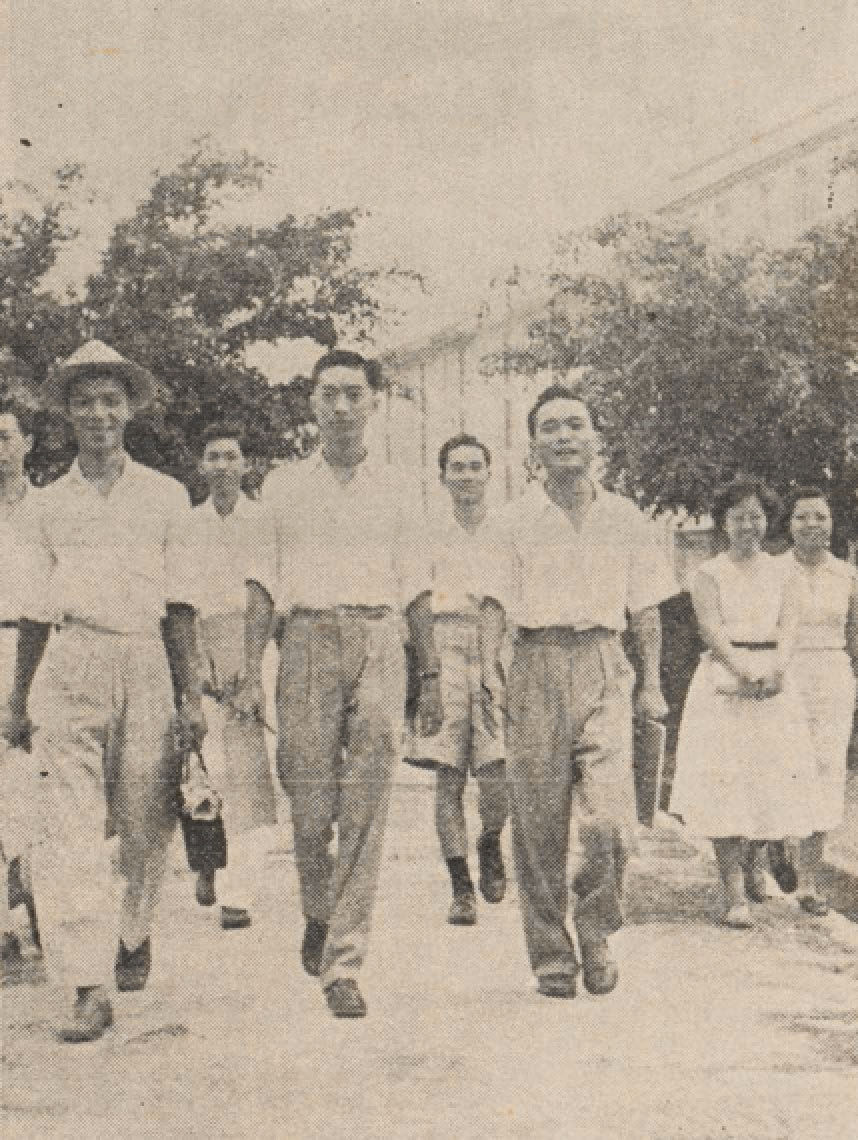
Lai with her classmates.
Nanyang Academy of Fine Arts Graduation Magazine, 1954. Reproduction, 2026. Images courtesy of Nanyang Academy of Fine Arts, University of the Arts Singapore.
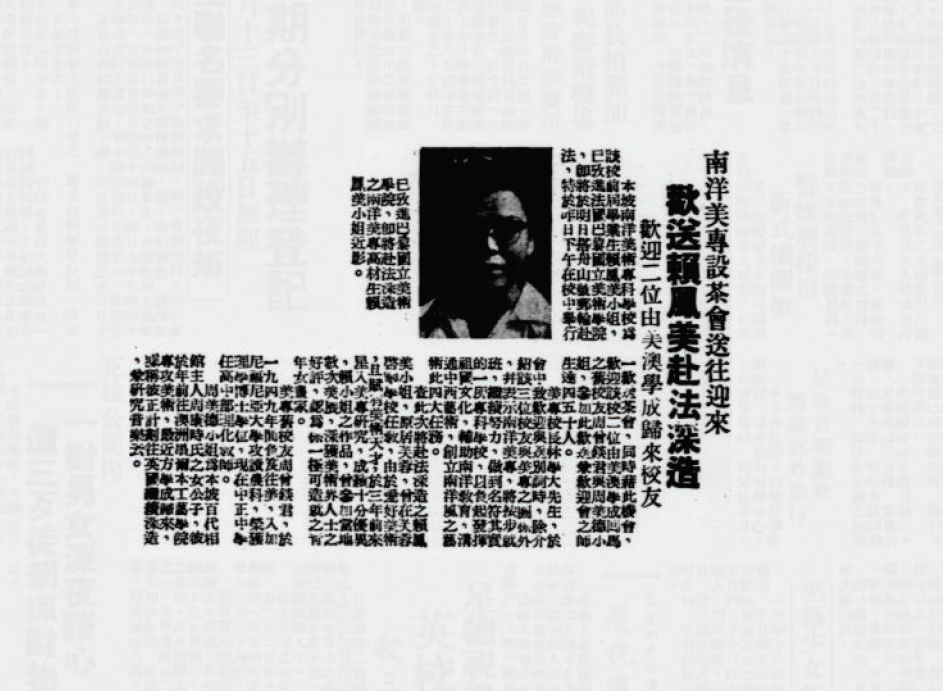
Lai left Singapore by ship on 5 May 1955 to further her education at the École des Beaux-Arts in Paris. As detailed in this article, NAFA hosted a tea party to bid her farewell.
Source: Nanyang Shang Bao, May 6, 1955. © SPH Media Limited. Permission required for reproduction.
Lai left Singapore by ship on 5 May 1955 to further her education at the École des Beaux-Arts in Paris. As detailed in this article, NAFA hosted a tea party to bid her farewell.
Source: Nanyang Shang Bao, May 6, 1955. © SPH Media Limited. Permission required for reproduction.
1 2
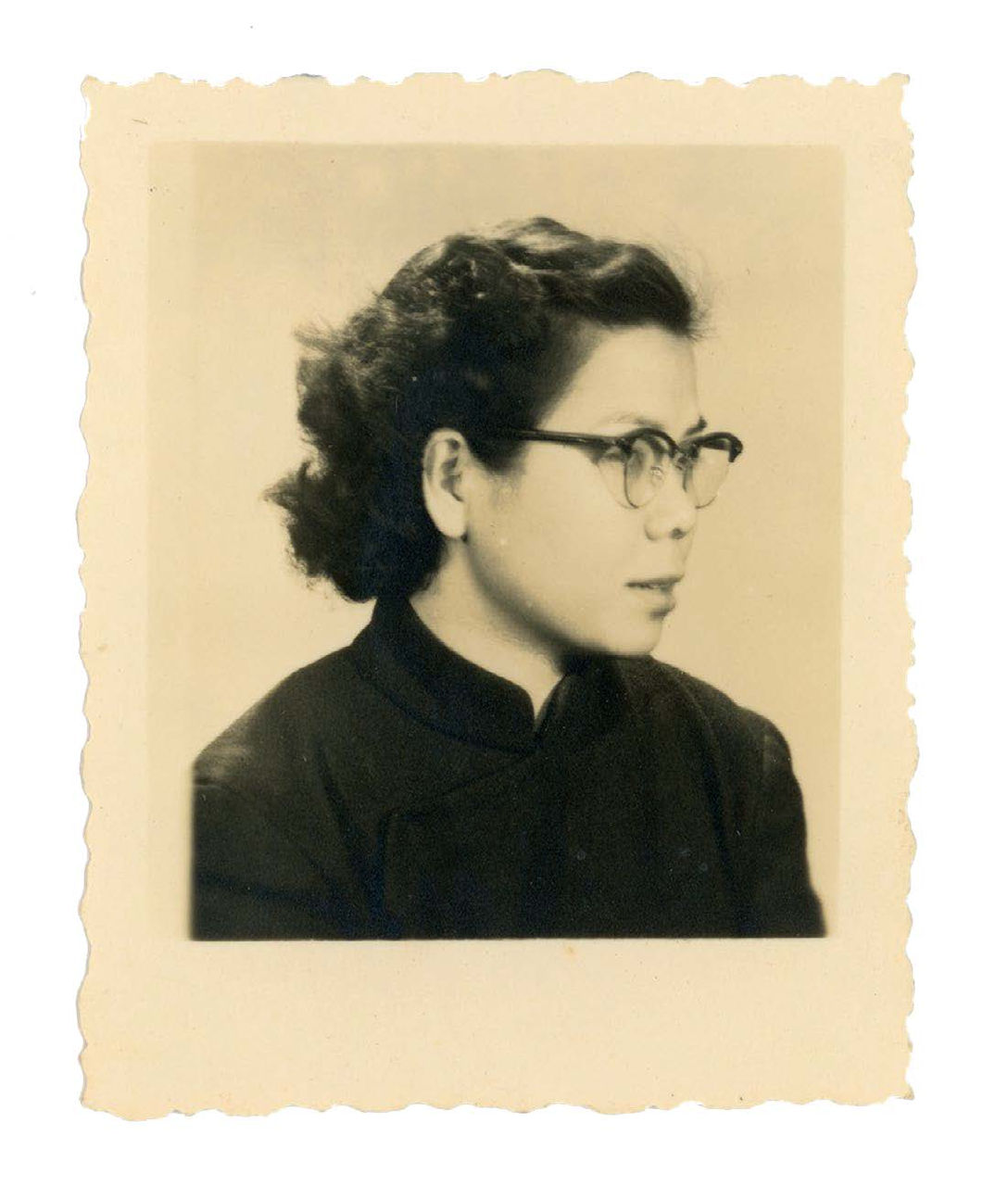
Lai in Paris, 1955.
Digitised by National Gallery Singapore Library & Archive with kind permission from the artist’s family.
Lai in Paris, 1955.
Digitised by National Gallery Singapore Library & Archive with kind permission from the artist’s family.
2 2
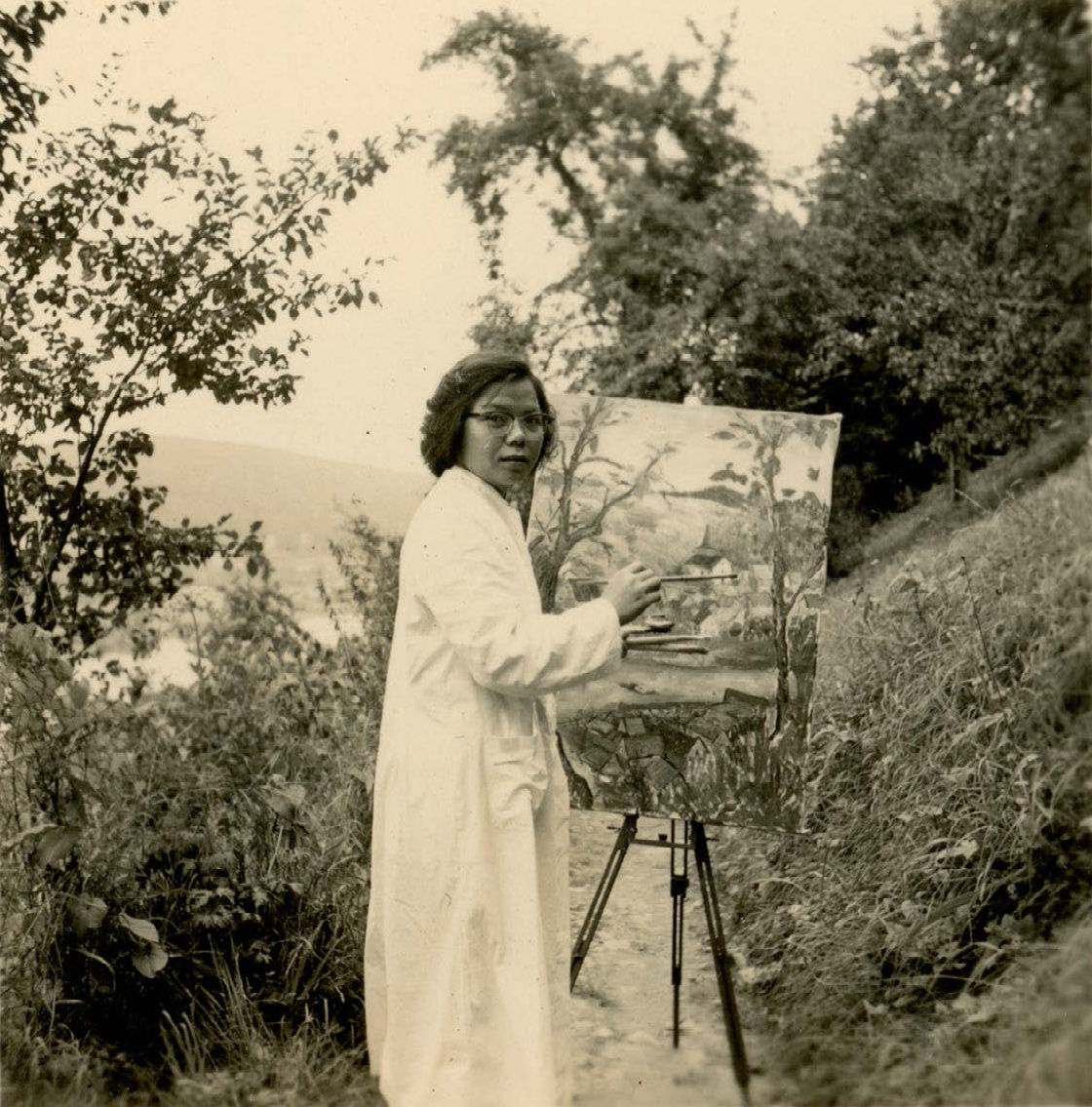
Lai painting in Germany, 1955. She also travelled to England, the Netherlands, Spain, Italy and Greece.
Digitised by National Gallery Singapore Library & Archive with kind permission from the artist’s family.
Lai painting in Germany, 1955. She also travelled to England, the Netherlands, Spain, Italy and Greece.
Digitised by National Gallery Singapore Library & Archive with kind permission from the artist’s family.
1 3
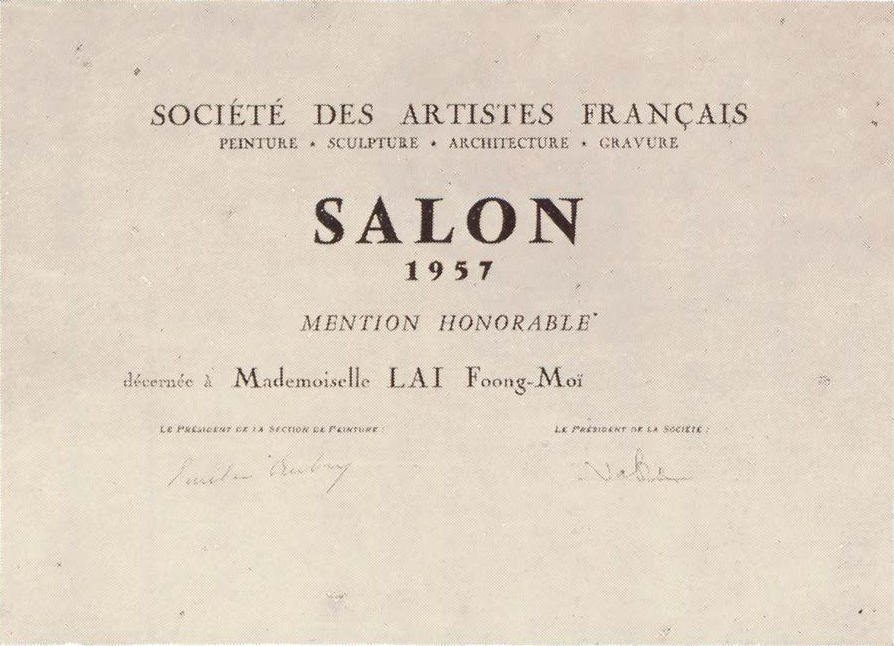
While in Paris, Lai contributed works to salons including those of the Société Nationale des Beaux-Arts, Société des Artistes Français and the Société des Artistes Indépendants. The works she submitted included nudes, landscapes from her travels and still life compositions.
Reproduced from Lai Foong Moi (Self-published, 1960).
While in Paris, Lai contributed works to salons including those of the Société Nationale des Beaux-Arts, Société des Artistes Français and the Société des Artistes Indépendants. The works she submitted included nudes, landscapes from her travels and still life compositions.
Reproduced from Lai Foong Moi (Self-published, 1960).
2 3
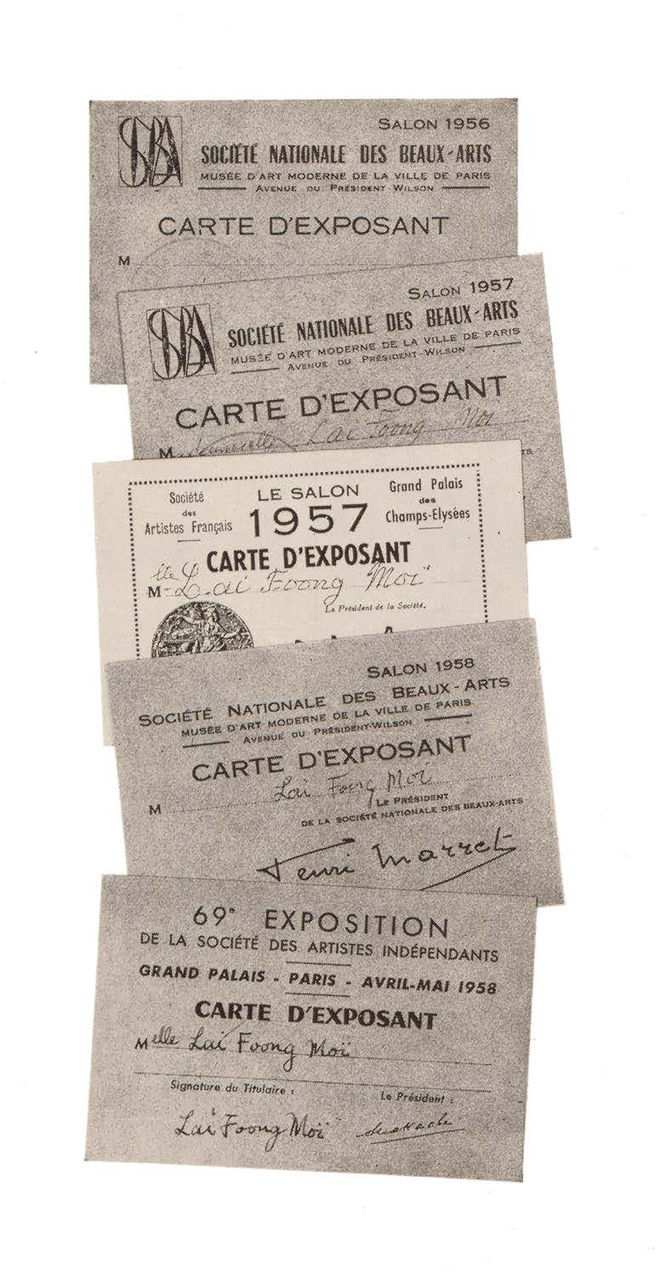
While in Paris, Lai contributed works to salons including those of the Société Nationale des Beaux-Arts, Société des Artistes Français and the Société des Artistes Indépendants. The works she submitted included nudes, landscapes from her travels and still life compositions.
Reproduced from Lai Foong Moi (Self-published, 1960).
While in Paris, Lai contributed works to salons including those of the Société Nationale des Beaux-Arts, Société des Artistes Français and the Société des Artistes Indépendants. The works she submitted included nudes, landscapes from her travels and still life compositions.
Reproduced from Lai Foong Moi (Self-published, 1960).
3 3
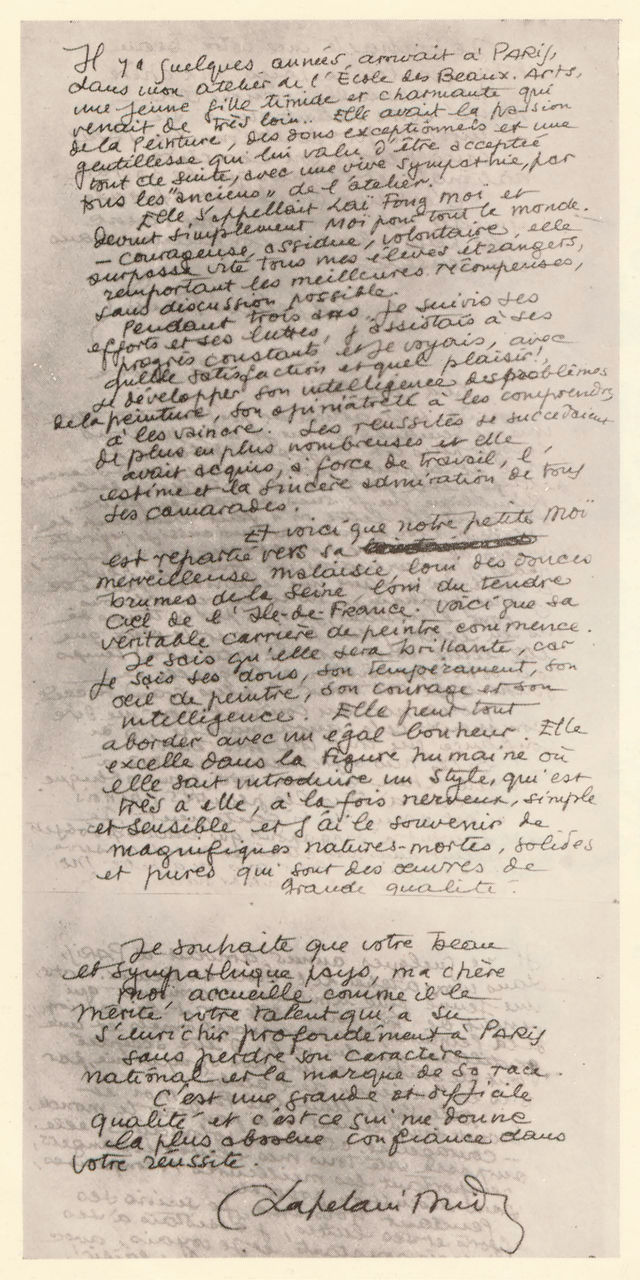
Roger Chapelain-Midy, Lai’s teacher at the École des Beaux-Arts in Paris.
Translated from French by Verztec Consulting Pte. Ltd. and reproduced from Lai Foong Moi (Self-published, 1960).
Roger Chapelain-Midy, Lai’s teacher at the École des Beaux-Arts in Paris.
Translated from French by Verztec Consulting Pte. Ltd. and reproduced from Lai Foong Moi (Self-published, 1960).
A few years ago, in my studio at École des Beaux-Arts in Paris, a shy and charming young girl arrived from very far away. She had a passion for painting, exceptional gifts and a kindness that made her be accepted immediately with great sympathy by all the “old timers” of the studio.
Her name was Lai Foong Moi and simply became Moi for everyone. Courageous, diligent, willing, she quickly surpassed all my foreign students, winning the best awards, without a doubt.
For three years, I followed her efforts and struggles; I watched her constant progress and I saw, with such satisfaction and pleasure, the development of her understanding of the complexities of painting, her tenacity to understand them, to overcome them. The successes followed one after another until she had acquired, through her relentless hard work, the esteem and the sincere admiration of all her classmates. And our small Moi left again towards her marvellous Malaysia, far from the soft mists of the Seine, far from the tender sky of ‘Île-de-France.’ That is when her true career as a painter began. I know that she will be brilliant, because I know her gifts, her temperament, her painterly eye, her courage and her intelligence. She can approach everything with equal happiness. She excels in the human figure where she knows how to introduce a style, which is very unique, at the same time lively, simple and sensitive and I have the memory of her magnificent still life, solid and pure, works of great quality.
I wish that your beautiful and warm country, my dear Moi, welcomes you, as it deserves your talent that has been able to enrich itself deeply in Paris without losing its national character, and the distinctive essence of your cultural heritage. It is what gives me the absolute confidence in your success.
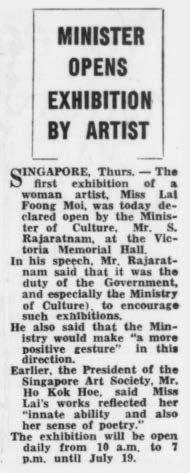
Source: “Minister Opens Exhibitions By Artist,” The Straits Times, July 17, 1959, © SPH Media Limited. Permission required for reproduction.
Source: “Minister Opens Exhibitions By Artist,” The Straits Times, July 17, 1959, © SPH Media Limited. Permission required for reproduction.
1 2
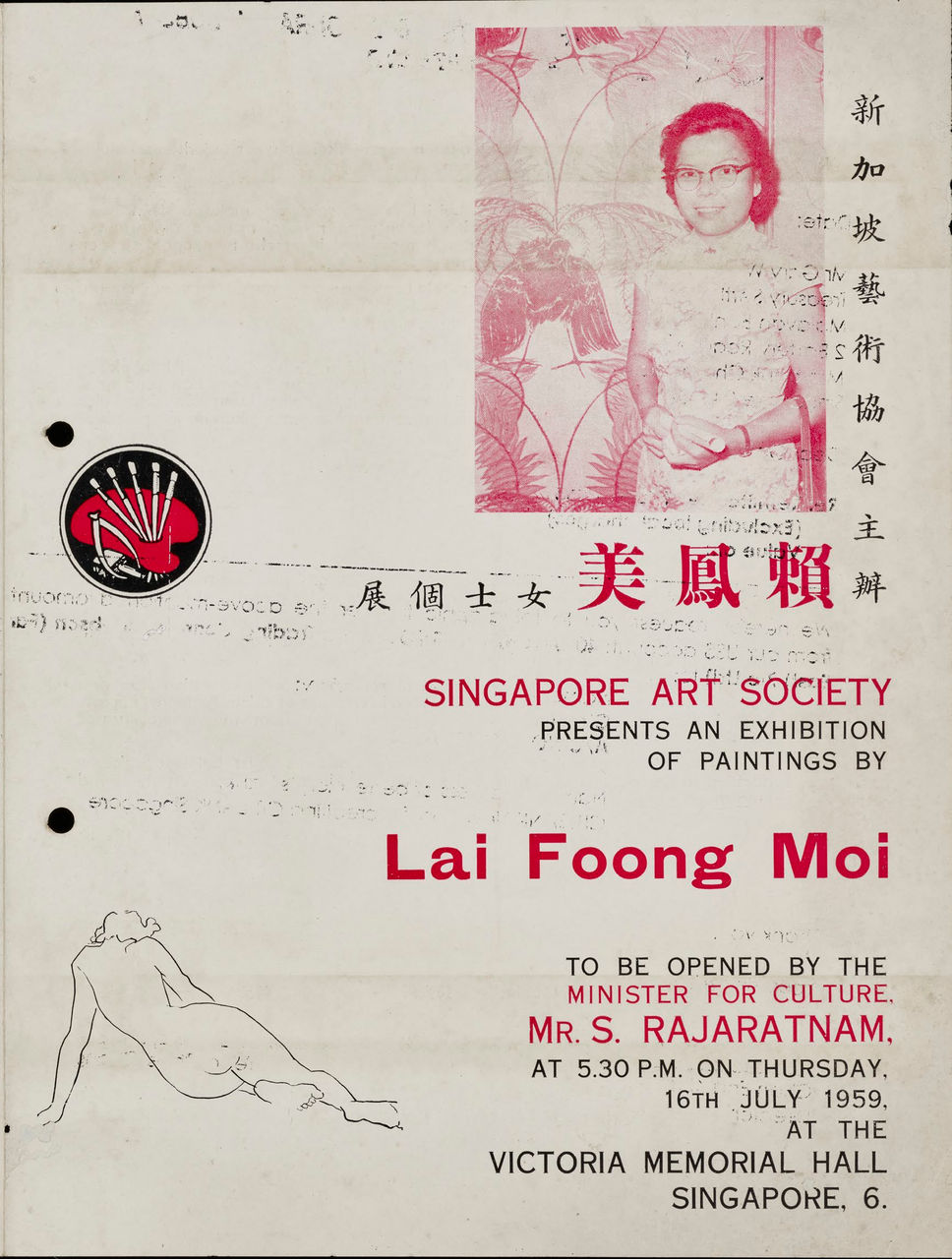
Lai held her first solo exhibition featuring 86 works in Malaya in 1959. The exhibition was sponsored by the Singapore Art Society.
Collection of National Museum of Singapore.
Lai held her first solo exhibition featuring 86 works in Malaya in 1959. The exhibition was sponsored by the Singapore Art Society.
Collection of National Museum of Singapore.
2 2
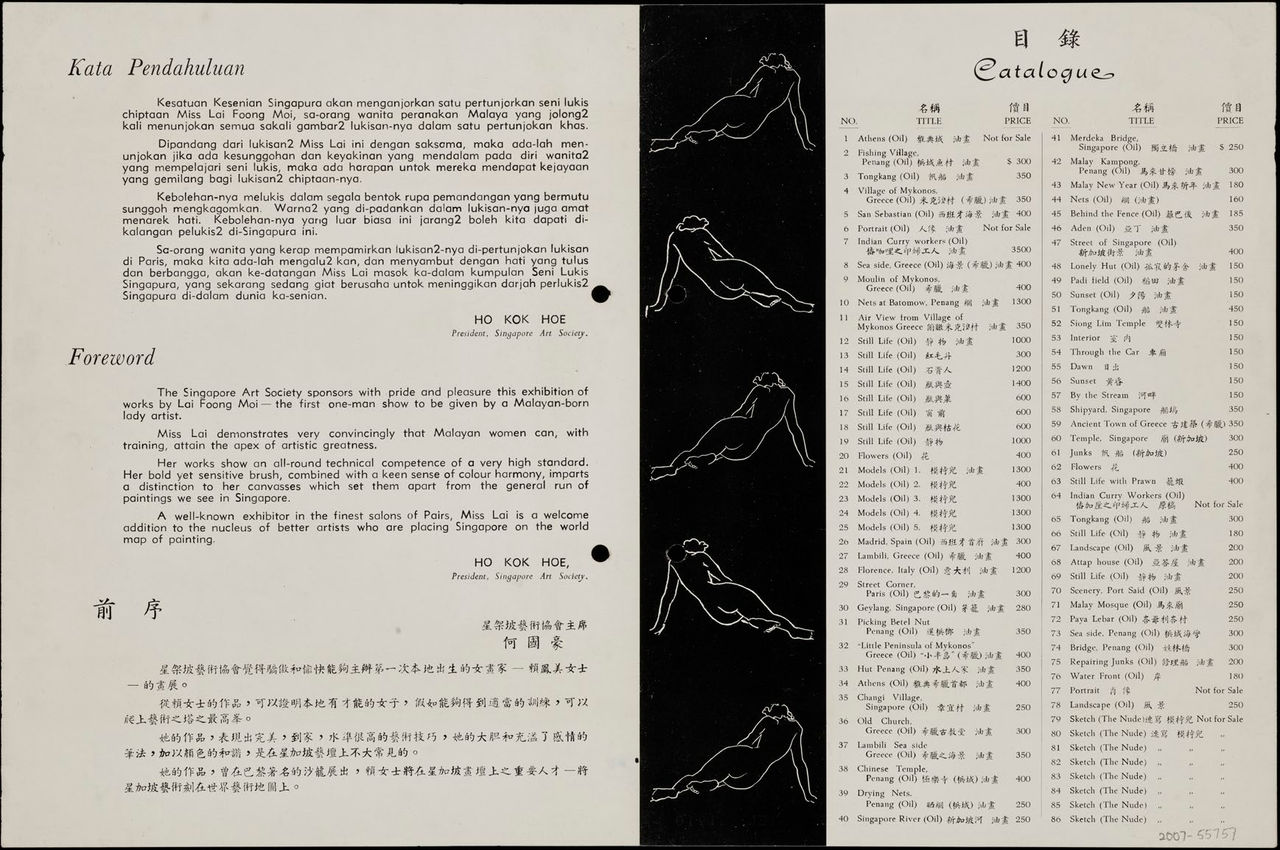
Lai held her first solo exhibition featuring 86 works in Malaya in 1959. The exhibition was sponsored by the Singapore Art Society.
Collection of National Museum of Singapore.
Lai held her first solo exhibition featuring 86 works in Malaya in 1959. The exhibition was sponsored by the Singapore Art Society.
Collection of National Museum of Singapore.
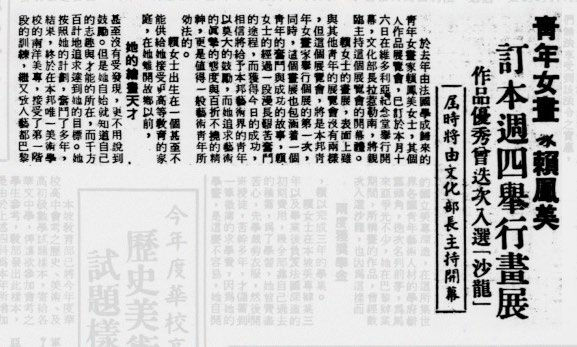
Source: Nanyang Shang Bao, July 14, 1959. © SPH Media Limited. Permission required for reproduction. This article is translated from Mandarin by Verztec Consulting Pte. Ltd. SPH Media Limited does not assume responsibility for any errors contained herein.
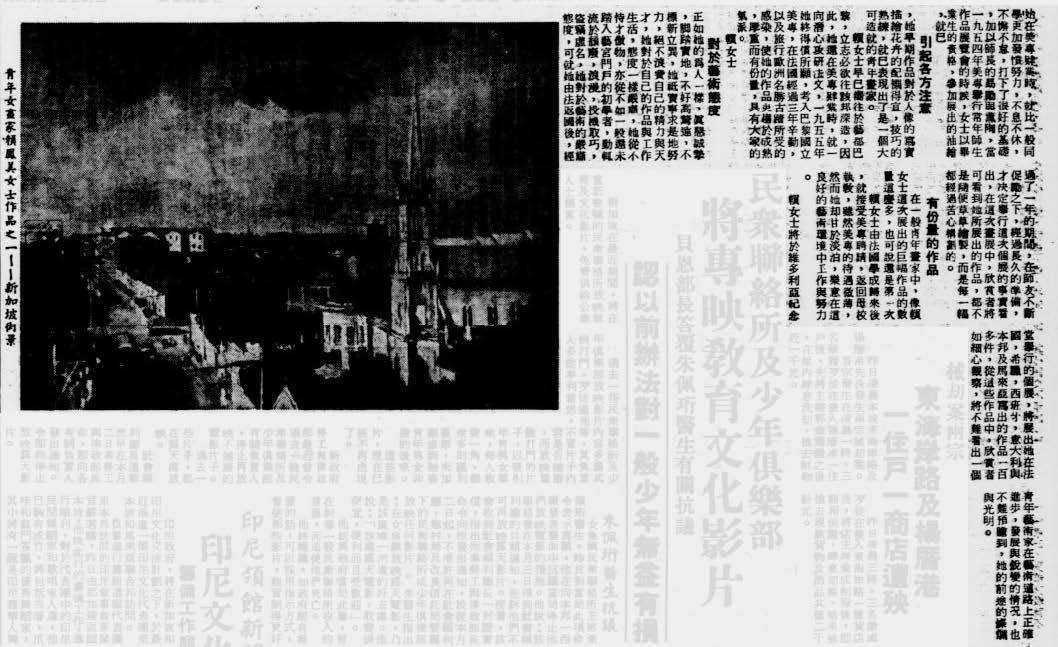
Source: Nanyang Shang Bao, July 14, 1959. © SPH Media Limited. Permission required for reproduction. This article is translated from Mandarin by Verztec Consulting Pte. Ltd. SPH Media Limited does not assume responsibility for any errors contained herein.
Reporting on Lai’s first solo exhibition in Malaya, this article details Lai’s achievements in Europe and praises the works displayed in the exhibition, stating, “among these many works executed with meticulous attention to detail, one will find it not difficult to discern the emergence of a distinct and mature artistic voice.”
An appraisal of Lai’s artistic philosophy is also recorded: “Just as in her personal character, she is sincere, earnest and thoroughly grounded, neither aiming for the unattainable nor seeking novelty for its own sake. She strives solely with realism and dedication, never squandering her energy or talent. She approaches her creations with the same seriousness that she applies to her work and daily life. Never conceited despite her gifts, she refuses to indulge in the decadence, romanticism, opportunism or pursuit of unearned fame so frequently seen among beginners who have yet to cross the threshold of the temple of art… In this exhibition, viewers will appreciate that none of the displayed works was executed in a casual or careless manner; rather, every single canvas is the fruit of painstaking composition and devotion.”
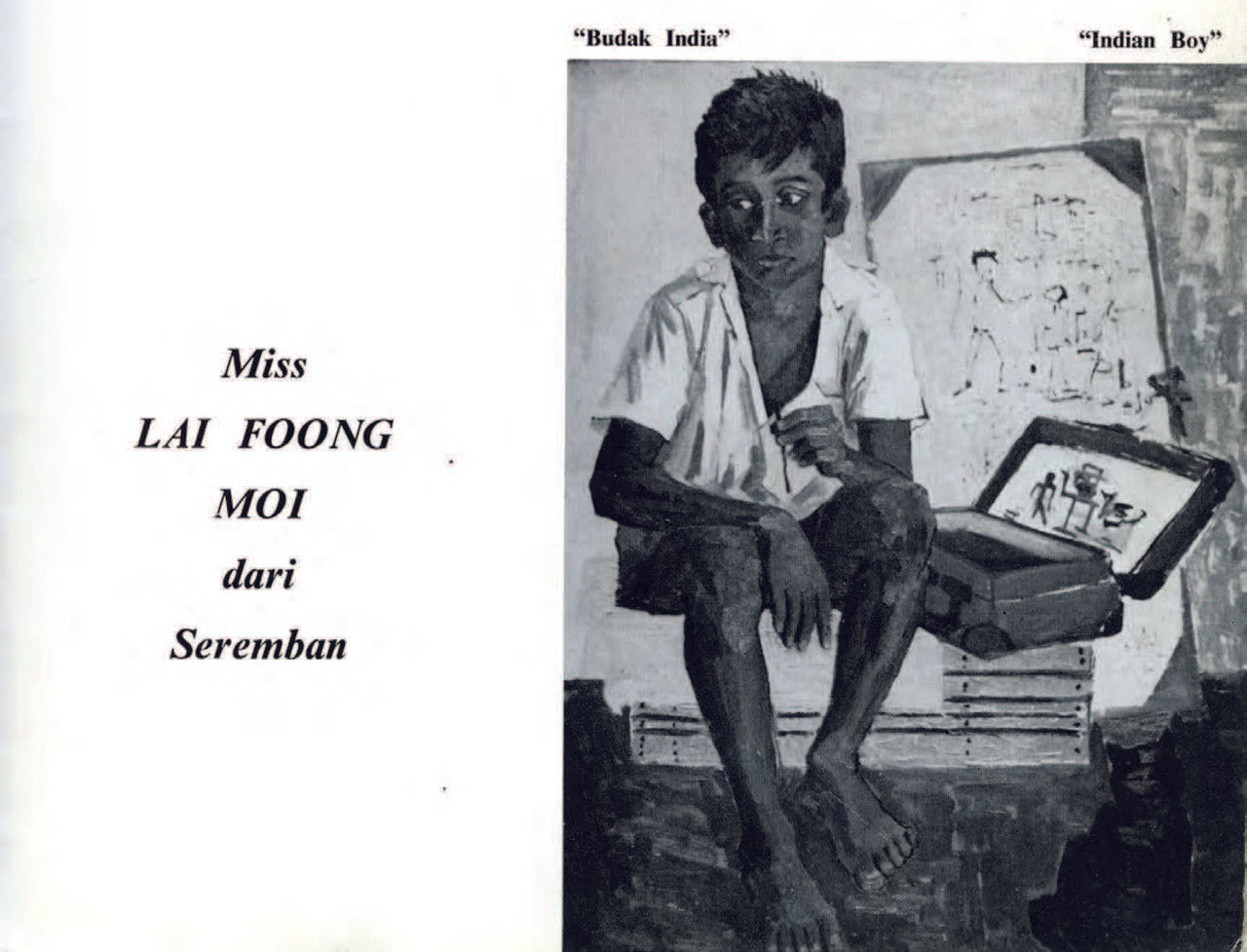
Between 1959 and 1966, Lai contributed her work to over ten exhibitions across Singapore and Malaysia.
Pameran Lukisan Negara Yang Ketiga (Third National Exhibition), National Art Gallery, Malaysia, 1960. Digitised by National Gallery Singapore Library & Archive.
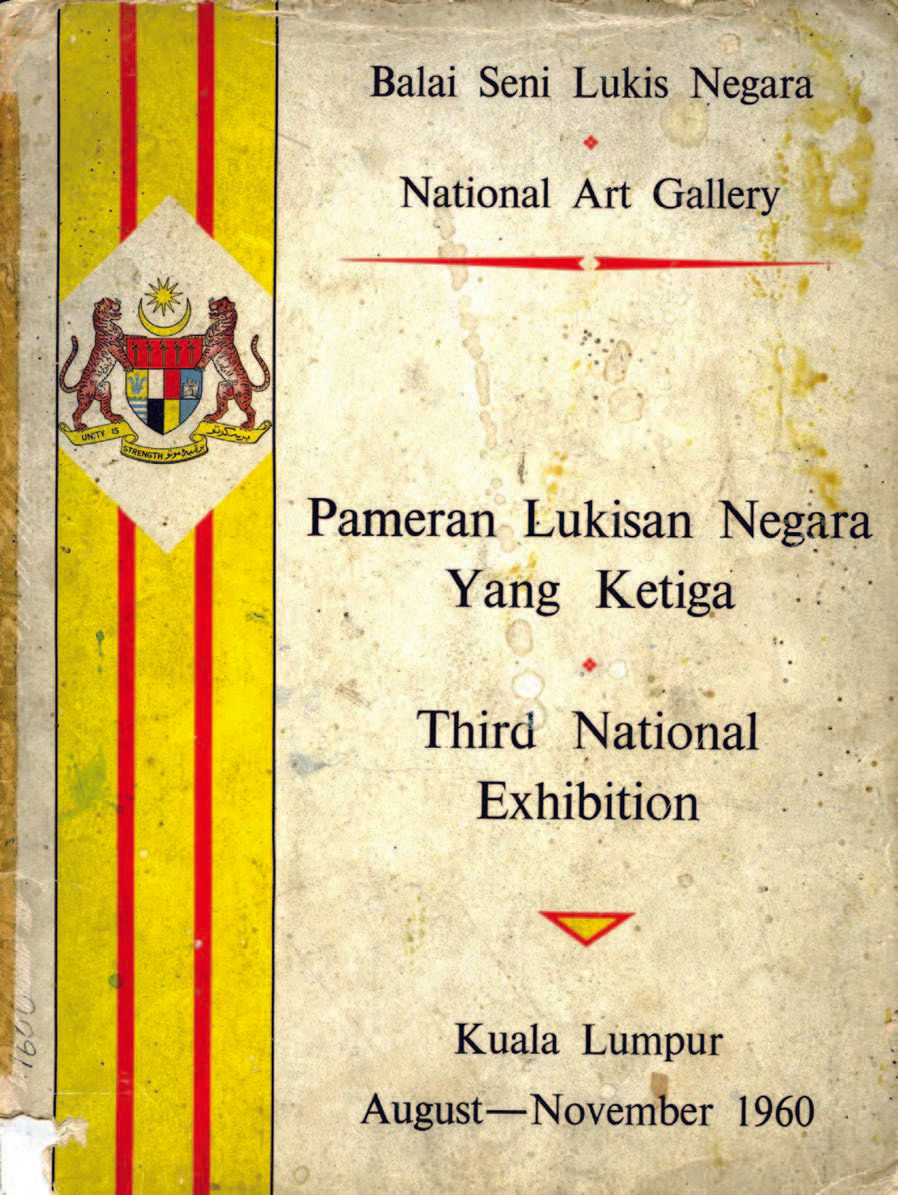
Between 1959 and 1966, Lai contributed her work to over ten exhibitions across Singapore and Malaysia.
Pameran Lukisan Negara Yang Ketiga (Third National Exhibition), National Art Gallery, Malaysia, 1960. Digitised by National Gallery Singapore Library & Archive.
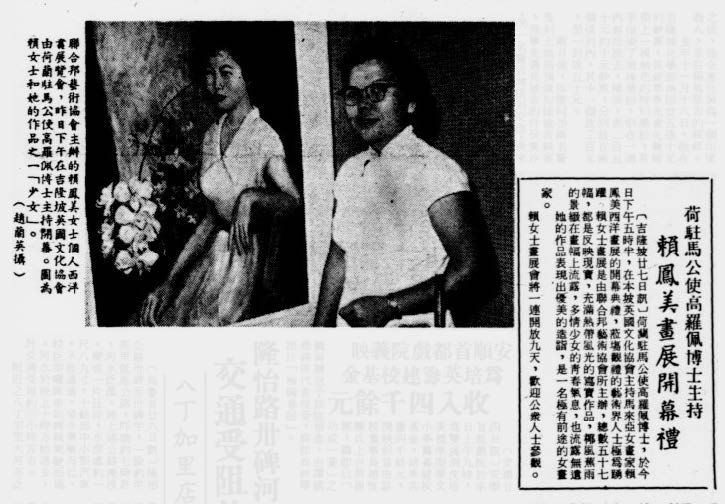
This article reports on Lai’s solo exhibition organised by Federation of Malaya Arts Council and held at the British Council, Kuala Lumpur, Malaysia. Robert van Gulik, Netherlands Ambassador to the Federation of Malaya, opened the exhibition.
Source: Nanyang Shang Bao, April 28, 1960. © SPH Media Limited. Permission required for reproduction.
This article reports on Lai’s solo exhibition organised by Federation of Malaya Arts Council and held at the British Council, Kuala Lumpur, Malaysia. Robert van Gulik, Netherlands Ambassador to the Federation of Malaya, opened the exhibition.
Source: Nanyang Shang Bao, April 28, 1960. © SPH Media Limited. Permission required for reproduction.
Preface to Lai Foong Moi’s Painting Collection
Lee Singko
April 1959, Singapore
Critics and commentators on Western painting, captivated by fleeting trends, frequently delight in seeking novelty for its own sake. They seldom delve deeply into the intrinsic artistic value of a work; instead, their appraisal invariably begins by categorising it into schools. Those adhering more closely to realism are dismissed as conventional or vulgar, whilst those verging on abstraction are lauded as the “new school.” Under the influence of this prevailing climate, the art world is awash with grand claims of Futurism, Cubism, Fauvism and Expressionism—empty rhetoric that flows without regard for practical reality. Even young beginners, whose foundational training in sketching plaster casts remain incomplete, frequently preen themselves on what they boastfully term “bold experimentation.” Works masquerading as abstraction flood the art world, populated by opportunistic individuals seeking nothing but empty renown. To an objective onlooker, this is precisely a fin-de-siècle phenomenon within the art community—utterly devoid of merit.
Ms Lai Foong Moi graduated from the Nanyang Academy of Fine Arts in our city and subsequently went to France for advanced studies. Prior to her departure, when she was preparing to travel widely, I apprised her of the true conditions faced by foreign artists studying in Paris. Deeply moved by this, Ms Lai, upon her arrival in France, resolutely went against the vulgar trends of the day. Refusing to indulge in a superficial, whirlwind tour as a mere casual observer, she formally enrolled in an academy, devoted herself heart and soul to her practice and endured three years of rigorous study. Her achievements are considerable and the works compiled in this collection serve as a stellar testament to her success.
Regarding the art of painting, I must humbly confess to being a mere layman. Yet, in admiring the lady’s works, I am profoundly struck by her natural brilliance and consummate craftsmanship. Spurning fashionable preferences, she has forged her own distinctive style, achieving a distinction that is truly remarkable. It is my earnest hope and expectation for her. Might the Nanyang art world usher in a completely fresh style because of her? I shall watch for it with eager anticipation.
As Ms Lai’s art collection is about to go to print, she requested a preface from me. Amid my countless obligations, I could scarcely find the time to do her justice, and have thus merely set down these few brief words.
Translated from Mandarin by Verztec Consulting Pte. Ltd. and reproduced from Lai Foong Moi (Self-published, 1960).
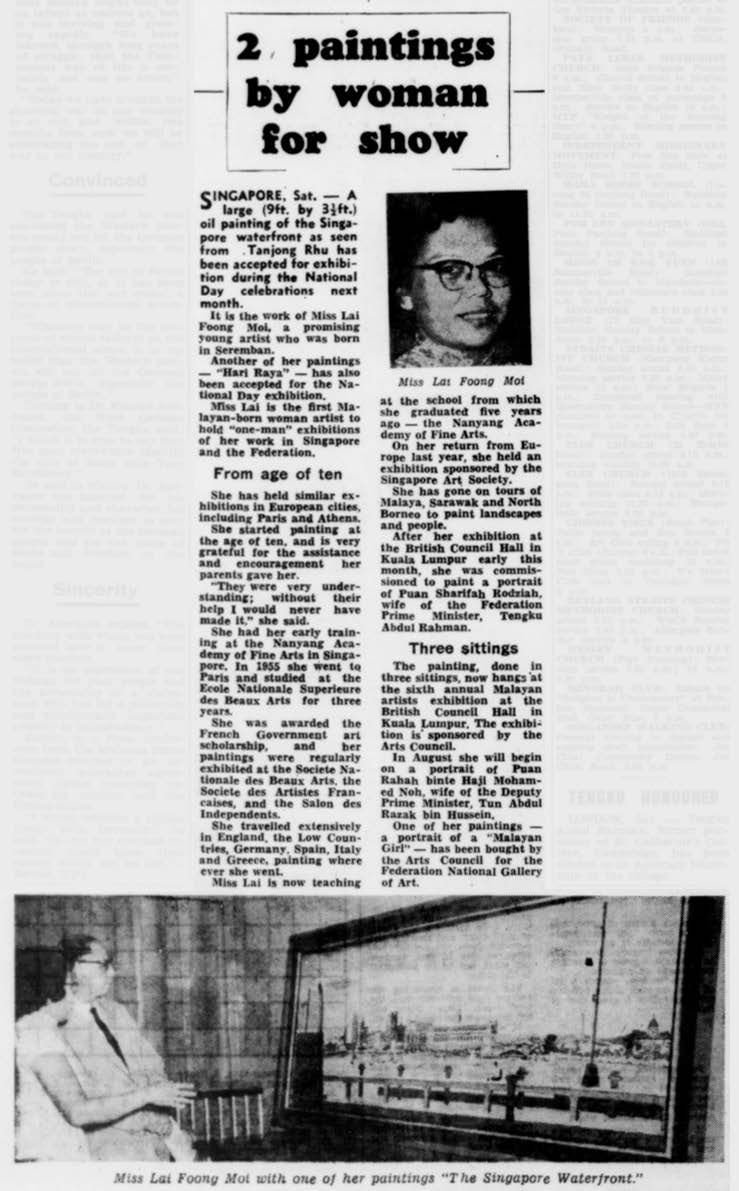
Source: “2 paintings by woman for show,” The Straits Times, May 22, 1960.
© SPH Media Limited. Permission required for reproduction.
Source: “2 paintings by woman for show,” The Straits Times, May 22, 1960.
© SPH Media Limited. Permission required for reproduction.
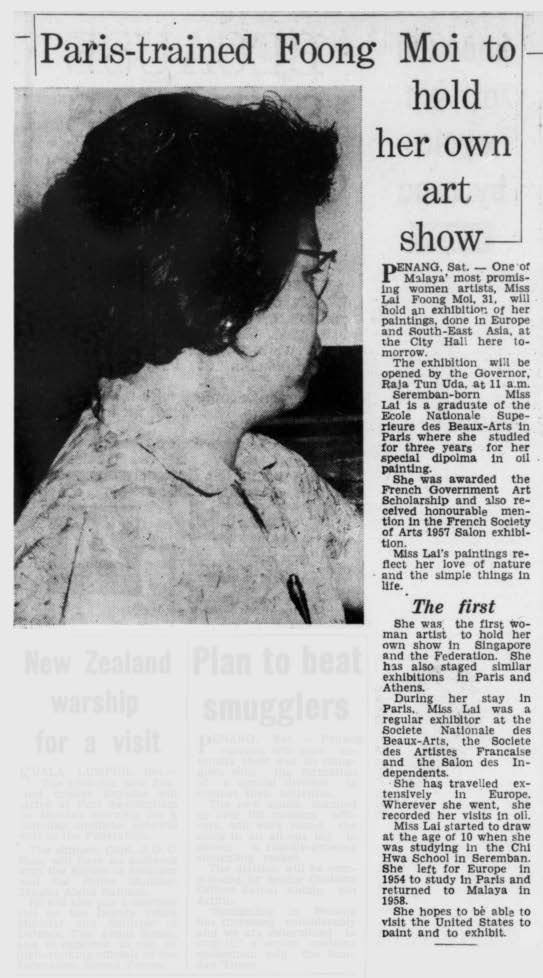
Source: “Paris-trained Foong Moi to hold tier own art show,” The Straits Times, March 17, 1963.
© SPH Media Limited. Permission required for reproduction.
Source: “Paris-trained Foong Moi to hold tier own art show,” The Straits Times, March 17, 1963.
© SPH Media Limited. Permission required for reproduction.
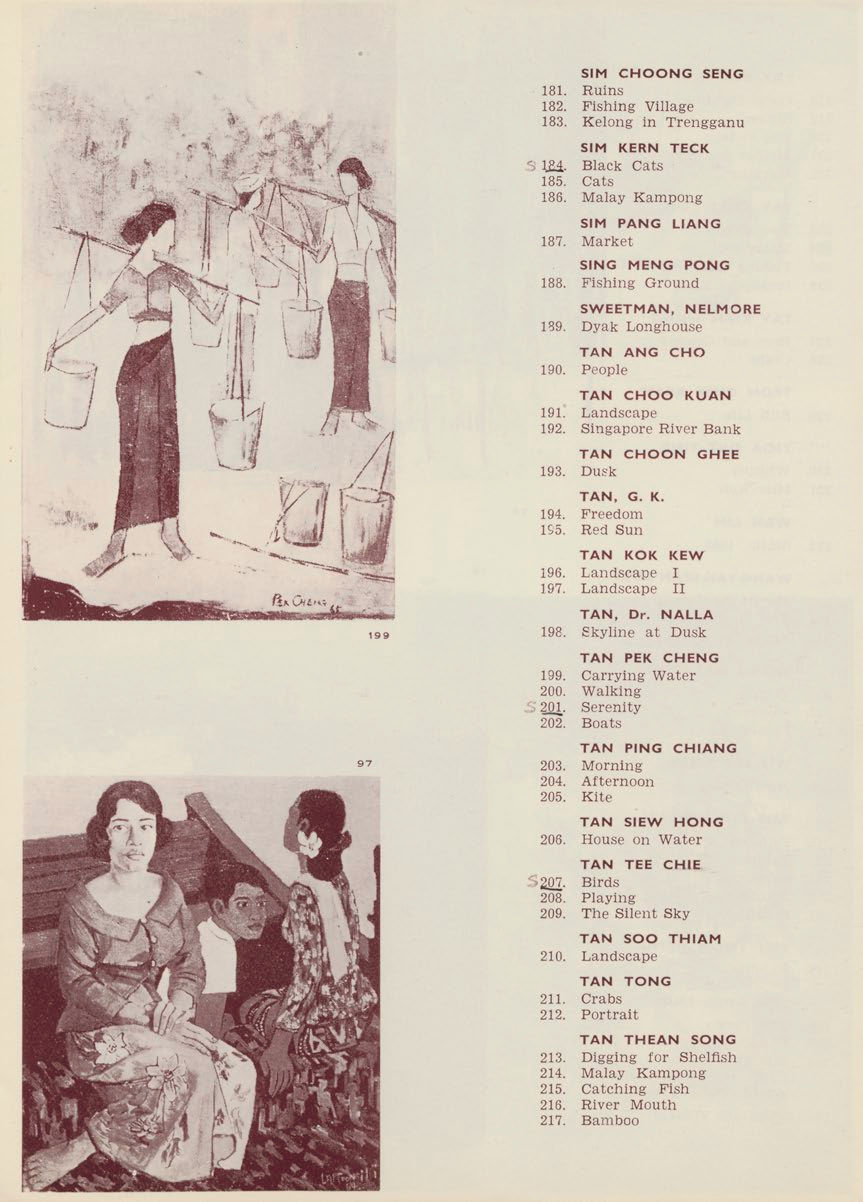
Crossing featured in Singapore Art Society’s 16th Annual Exhibition, Victoria Memorial Hall, Singapore, 1965.
Gift of Chen Chi Sing @ Tan Chay Lee. Reproduction, 2026. Collection of National Gallery Singapore Library & Archive.
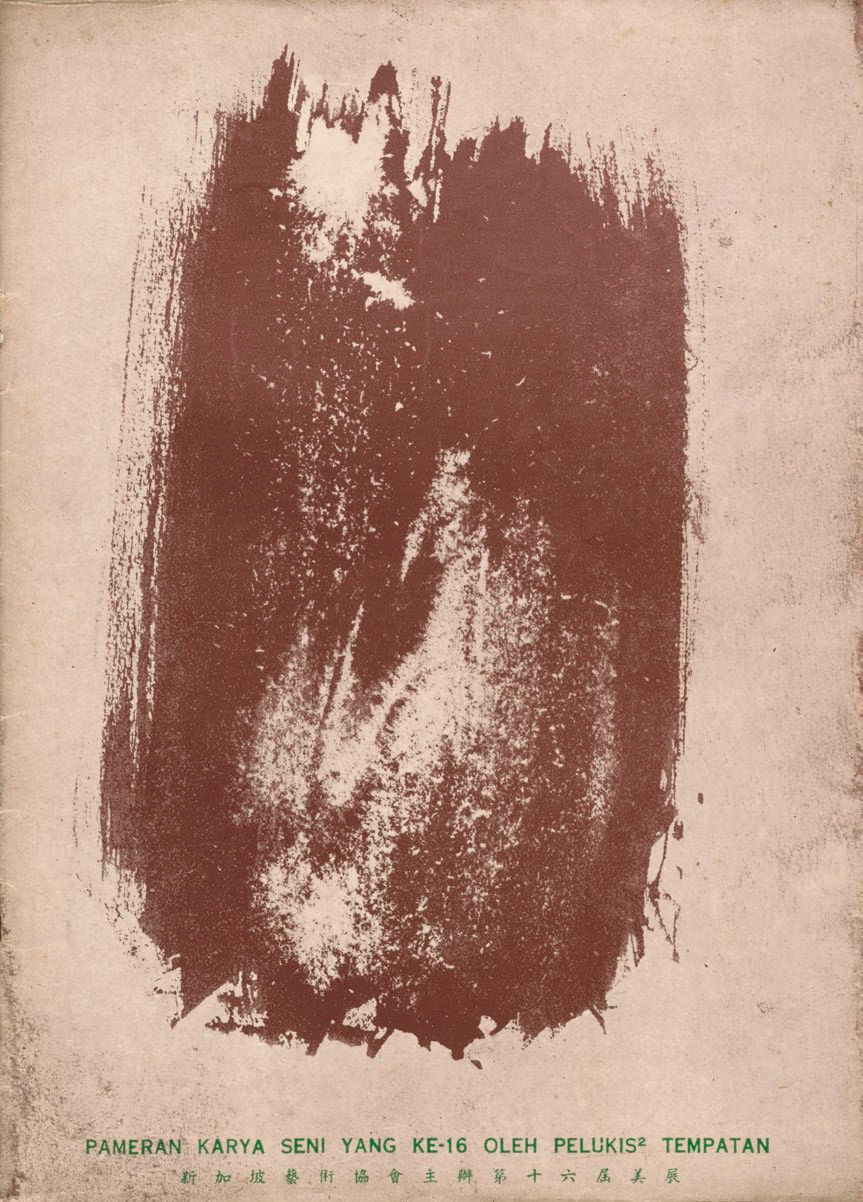
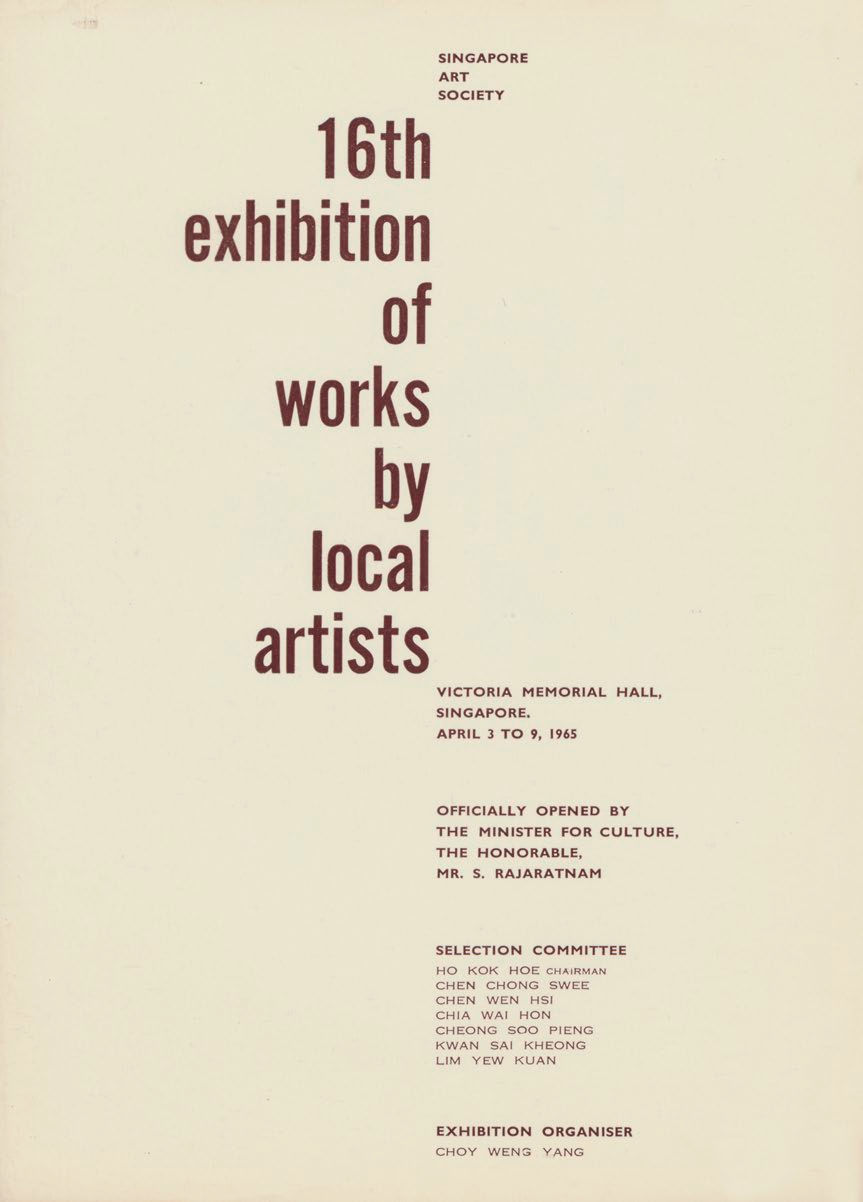
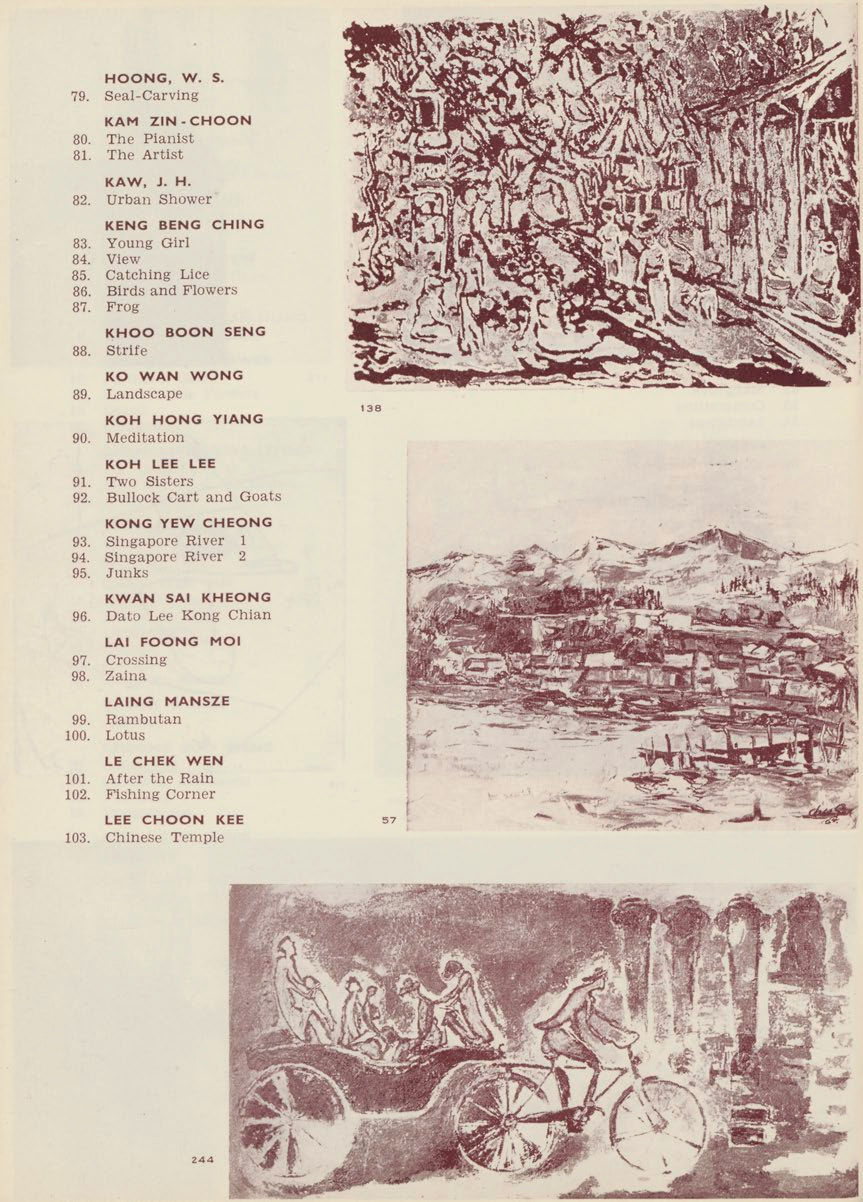
Crossing featured in Singapore Art Society’s 16th Annual Exhibition, Victoria Memorial Hall, Singapore, 1965.
Gift of Chen Chi Sing @ Tan Chay Lee. Reproduction, 2026. Collection of National Gallery Singapore Library & Archive.
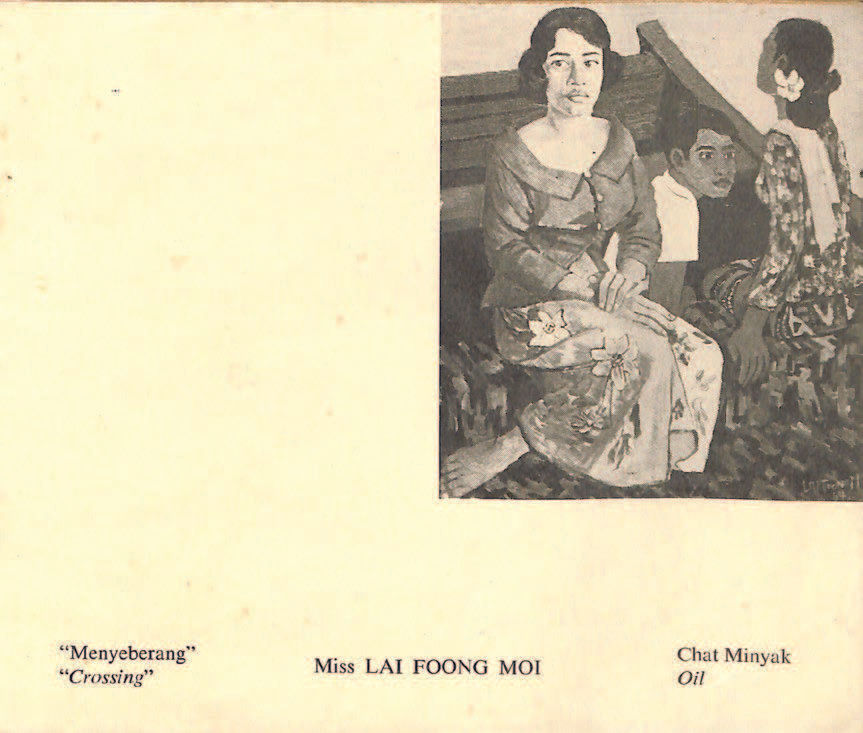
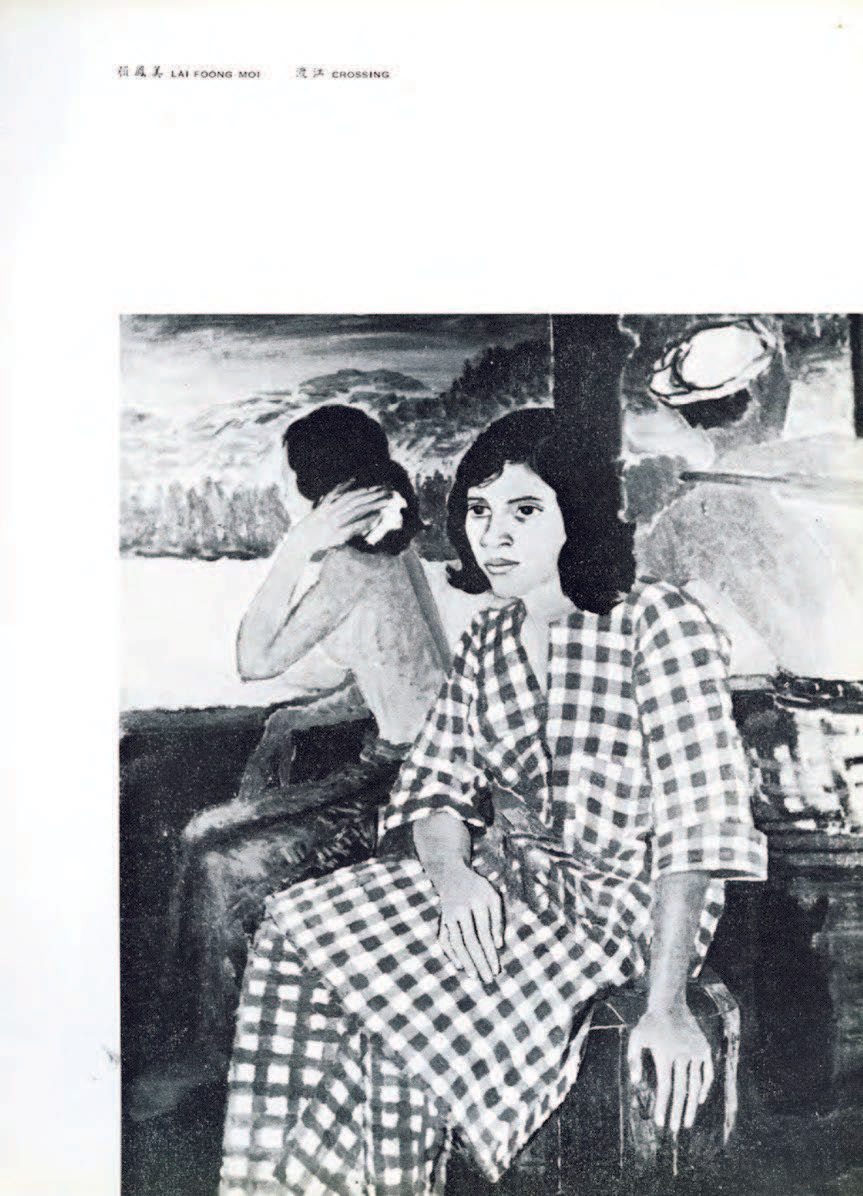
Crossing featured in Seni Lukis Singapura Se-zaman (Contemporary Art of Singapore) National Art Gallery, Malaysia.
Digitised by National Gallery Singapore Library & Archive.
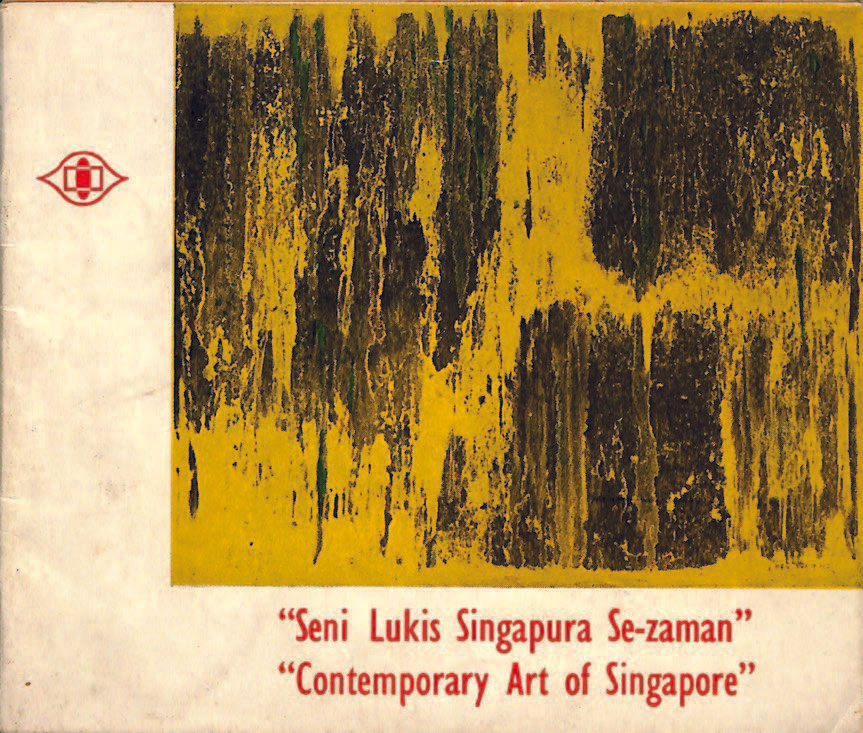
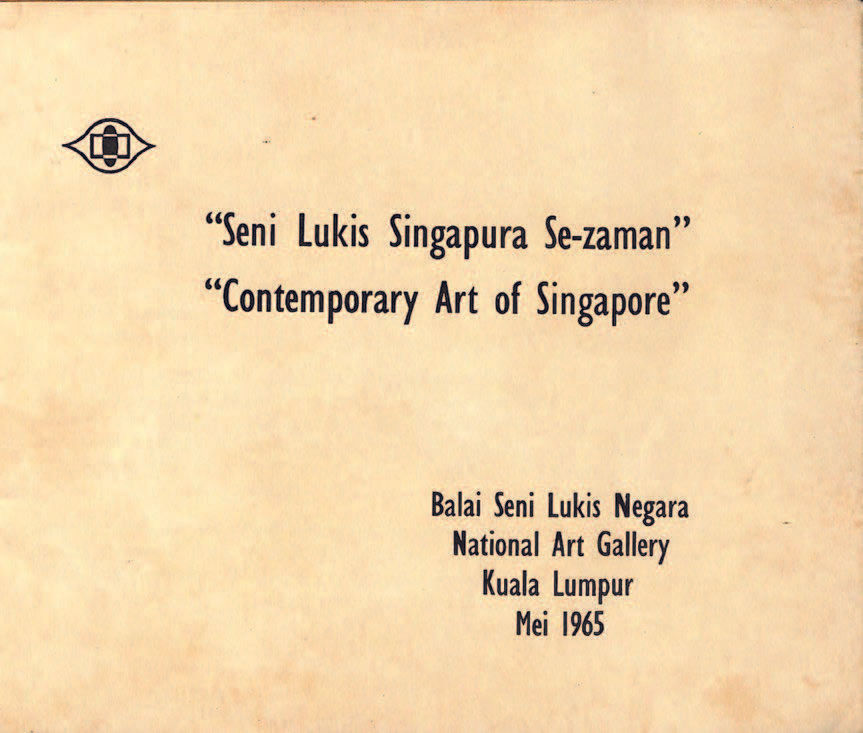
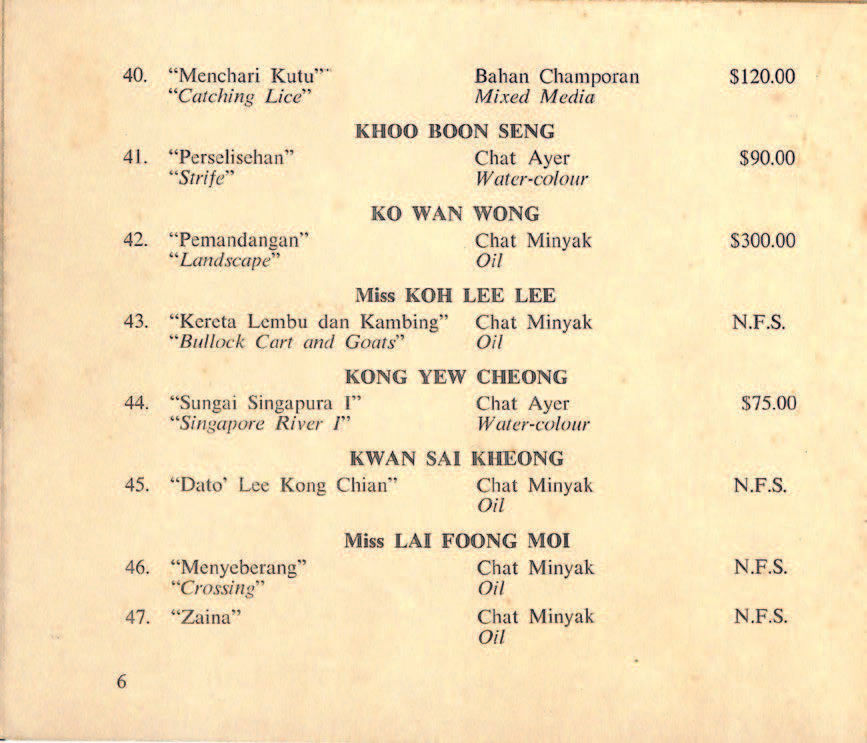
Crossing featured in Seni Lukis Singapura Se-zaman (Contemporary Art of Singapore) National Art Gallery, Malaysia.
Digitised by National Gallery Singapore Library & Archive.
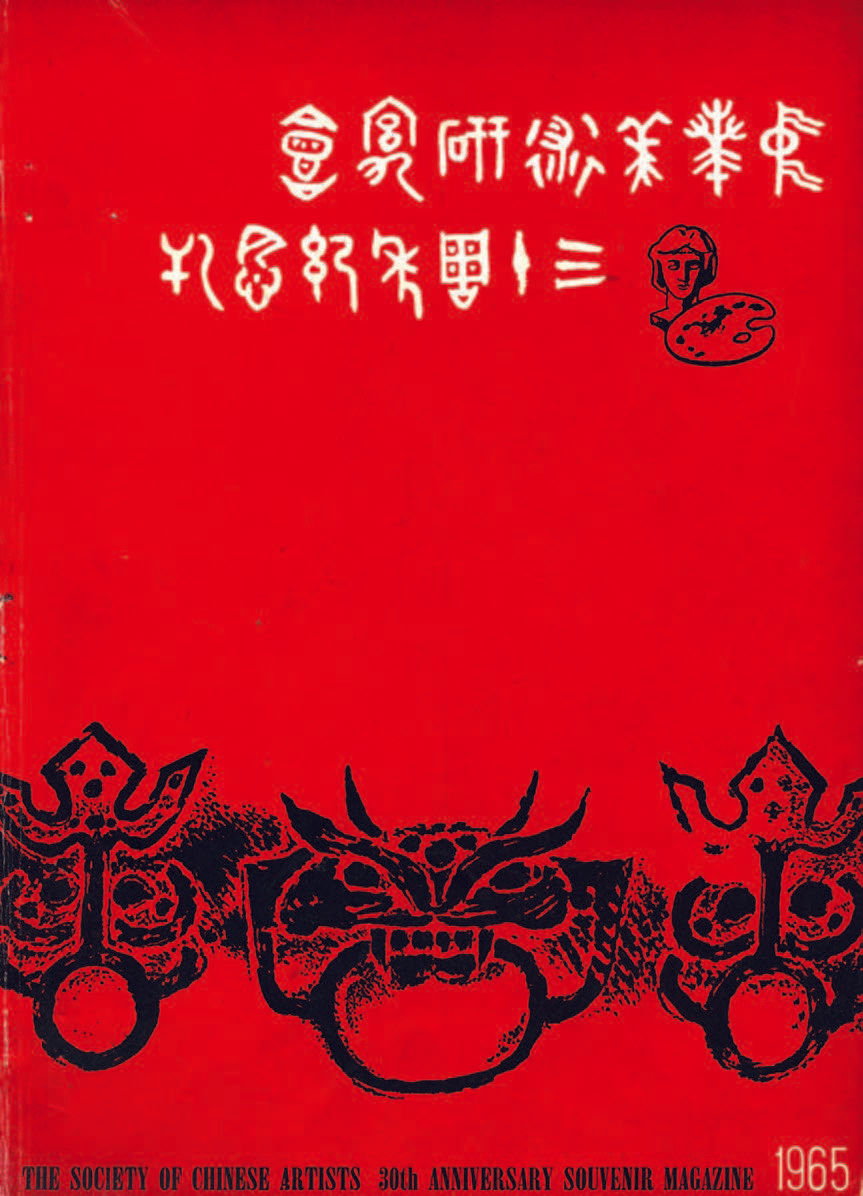
Crossing featured in the Society of Chinese Artists 30th Anniversary Exhibition, Singapore.
Digitised by National Gallery Singapore Library & Archive.
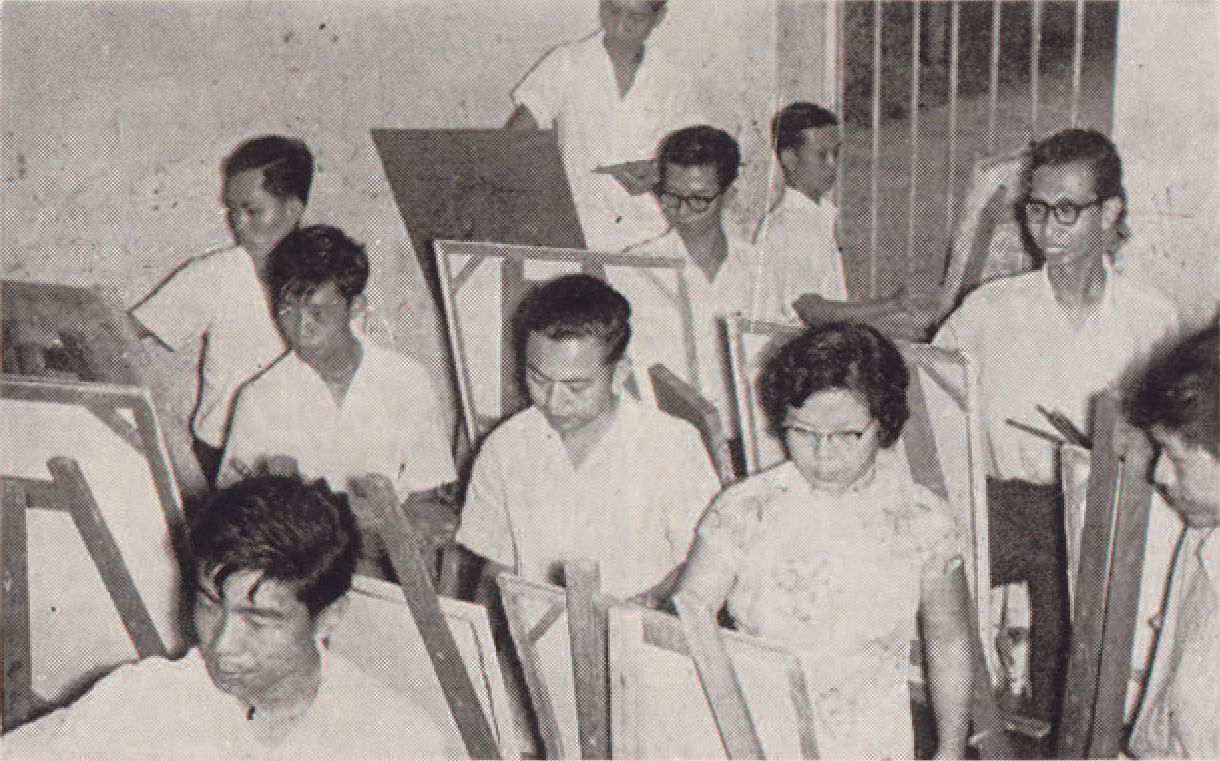
Lai teaching at NAFA.
Nanyang Academy of Fine Arts Graduation Magazine, 1962. Reproduction, 2026. Image courtesy of Nanyang Academy of Fine Arts, University of the Arts Singapore.
Lai teaching at NAFA.
Nanyang Academy of Fine Arts Graduation Magazine, 1962. Reproduction, 2026. Image courtesy of Nanyang Academy of Fine Arts, University of the Arts Singapore.
1 2
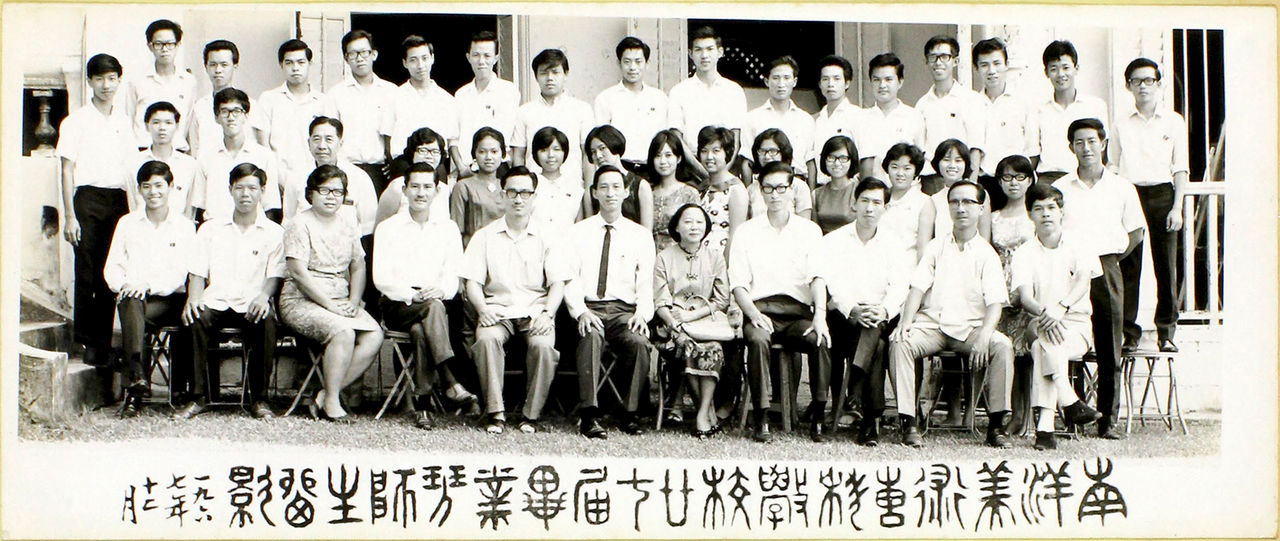
Lai (first row, third from left) with teachers and students at NAFA, 1967.
Digitised by National Gallery Singapore Library & Archive with kind permission from Chen Chi Sing @ Tan Chay Lee.
Lai (first row, third from left) with teachers and students at NAFA, 1967.
Digitised by National Gallery Singapore Library & Archive with kind permission from Chen Chi Sing @ Tan Chay Lee.
2 2
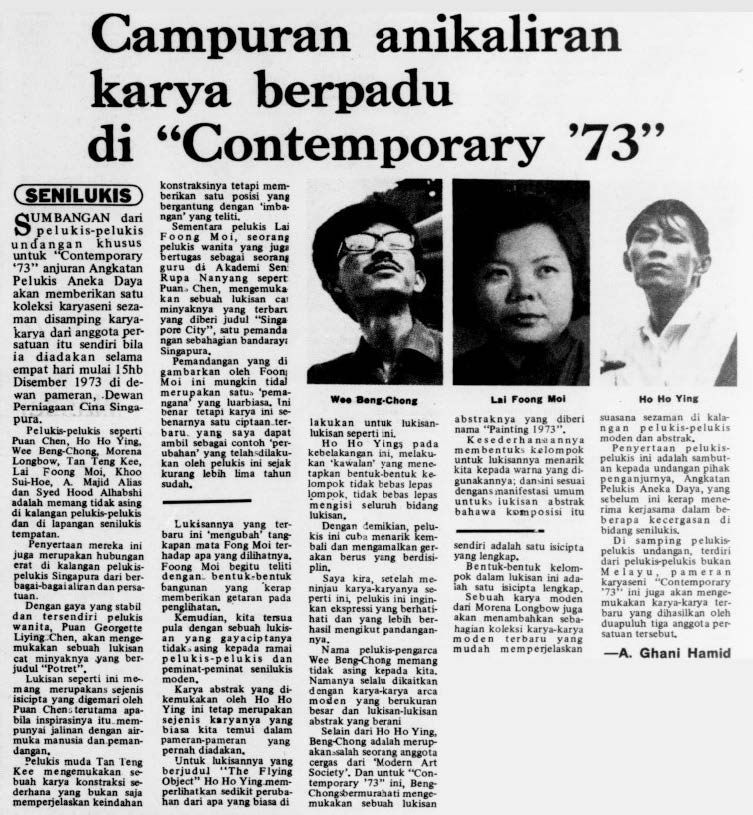
Source: A. Ghani Hamid, “Campuran anikaliran karya berpadu di ‘Contemporary ‘73’,” Berita Harian, December 9, 1973.
© SPH Media Limited. Permission required for reproduction.
This article is translated from Bahasa Melayu by Verztec Consulting Pte. Ltd. SPH Media Limited does not assume responsibility for any errors contained herein.
Source: A. Ghani Hamid, “Campuran anikaliran karya berpadu di ‘Contemporary ‘73’,” Berita Harian, December 9, 1973.
© SPH Media Limited. Permission required for reproduction.
This article is translated from Bahasa Melayu by Verztec Consulting Pte. Ltd. SPH Media Limited does not assume responsibility for any errors contained herein.
Artist, poet and writer Abdul Ghani Hamid reviews the Contemporary ’73 exhibition organised by the Malay art society Angkatan Pelukis Aneka Daya (APAD). The exhibition displayed works by its members alongside works by artists including Georgette Chen, Ho Ho Ying, Wee Beng Chong and Lai Foong Moi. On Lai, he writes: “Meanwhile, artist Lai Foong Moi—a female painter who, like Madam Chen, also served as a teacher at the Nanyang Academy of Fine Arts—presented her latest oil painting titled Singapore City, a view of part of the city of Singapore. The scene depicted by Foong Moi here might not be an extraordinary view. This is true, but this work is actually a recent creation that I can take as an example of the ‘change’ this artist has undergone over the last five years or so. Foong Moi alters the visual perception in this latest painting. Foong Moi is so meticulous with the architectural forms, which frequently impart a vibrant resonance to the viewer’s sight.”
In Memory of Lai Foong Moi: Thirty-Six Years of Unwavering Dedication to Art Education
Chen Zhuang (Tan Tee Chie)
The Nanyang Academy of Fine Arts has lost two of its most outstanding women educators. The first, Zhang Liying [Georgette Chen], passed away in 1993 to the profound regret of all who knew her. The second, Lai Foong Moi, succumbed to illness on the morning of 23 August 1995 at the age of 65. In a shared expression of grief and tribute, the local art community—comprising the Singapore Art Society, the Singapore Society of Chinese Artists and the Nanyang Academy of Fine Arts Alumni Association—jointly published an obituary in Lianhe Zaobao bearing the elegiac phrase, “An Enduring Fragrance in the Garden of Art.”
Throughout her thirty-six years of steadfast devotion to art education, Lai Foong Moi never once entertained the thought of changing professions. Enduring long periods of modest remuneration, she persevered with quiet fortitude to serve the cause of art education. She willingly sacrificed many of the material comforts she might have otherwise enjoyed, allowing her strength of spirit to triumph over material constraints. Walking this long, thirty-six-year pedagogical journey with utmost self-discipline and self-respect, she achieved what few ordinary individuals could ever sustain.
Originally named Fengdi, she was given the name “Fengmei” by her teacher Wu Dexian, during her studies at the Academy. She enrolled in NAFA in 1950, graduating from the Western Painting Department in 1953. In 1954, she journeyed to France to study oil painting at the École des Beaux-Arts in Paris for four years. Upon her return to Singapore in 1958, her imported body of work earned the high praise of the Academy’s principal, Lim Hak Tai, who assisted her in organising three exhibitions across Singapore, Kuala Lumpur and Penang. Her exhibited works—spanning still lifes, figures and landscapes—were widely acquired and treasured by regional collectors and art enthusiasts.
In 1959, she was invited by Lim Hak Tai to join the faculty of her alma mater. From that moment on, Lai Foong Moi remained resolutely committed to her teaching post, utilising her immense expertise to nurture younger generations and sow the seeds of art for the nation. Sacrificing personal fame, gain and much of her own creative time, she painted less so that she could teach more. Withdrawing from the public eye within the art world, she channelled her entire focus into instruction and quiet creation. Finding profound joy in her vocation, she approached art with the meticulous conscientiousness of a master artisan, pouring her heart and soul into art education with devout sincerity.
Onlookers unaware of the reality misconstrued her retreat from public exhibitions as a total abandonment of her brush. She merely scoffed at such superficial gossip, deeming it unworthy of investigation or response, for she truly had no time to waste on idle chatter.
In January 1995, Lai Foong Moi retired from NAFA. She found it difficult to comprehend why an artist, at the very peak of their creative and intellectual powers, should be compelled to retire. Though it went entirely against her wishes, she was bound by administrative regulations, leaving her with no choice but to comply mechanically, step down from her post and live out her remaining days in quiet retirement. Yet, possessed of a nature that deeply resented injustice, the resulting despondency and accumulated sorrows brought on a sudden, fatal illness. She passed away before reaching her seventieth year. She has gone on a journey from which she will not return, but her artistic legacy is destined to endure for generations to come.
Source: Nanyang Shang Bao, August 30, 1995. © SPH Media Limited. Permission required for reproduction. This article is translated from Mandarin by Verztec Consulting Pte. Ltd. SPH Media Limited does not assume responsibility for any errors contained herein.
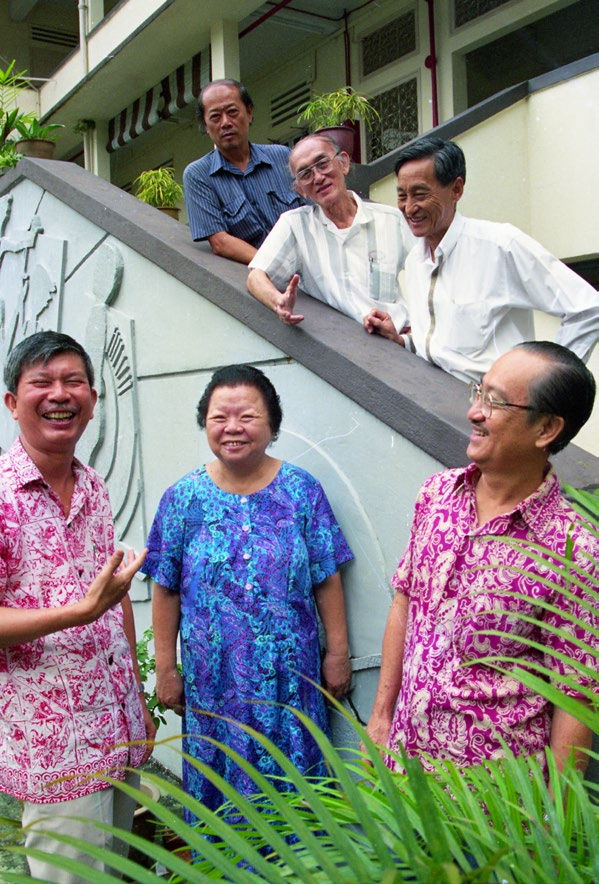
Front row (left to right): Wee Beng Chong, Lai Foong Moi, Tan Tee Chie
Back row (left to right): Yeo Hoe Koon, Foo Chee San, Lim Yew Kuan
The six artists organised an exhibition of their work in Singapore in 1994 including ten works by Lai. This first major showing of her work since 1963 would be her last. Lai would pass away the next year.
Source: Nanyang Shang Bao, August 27, 1994. © SPH Media Limited. Permission required for reproduction.
Front row (left to right): Wee Beng Chong, Lai Foong Moi, Tan Tee Chie
Back row (left to right): Yeo Hoe Koon, Foo Chee San, Lim Yew Kuan
The six artists organised an exhibition of their work in Singapore in 1994 including ten works by Lai. This first major showing of her work since 1963 would be her last. Lai would pass away the next year.
Source: Nanyang Shang Bao, August 27, 1994. © SPH Media Limited. Permission required for reproduction.
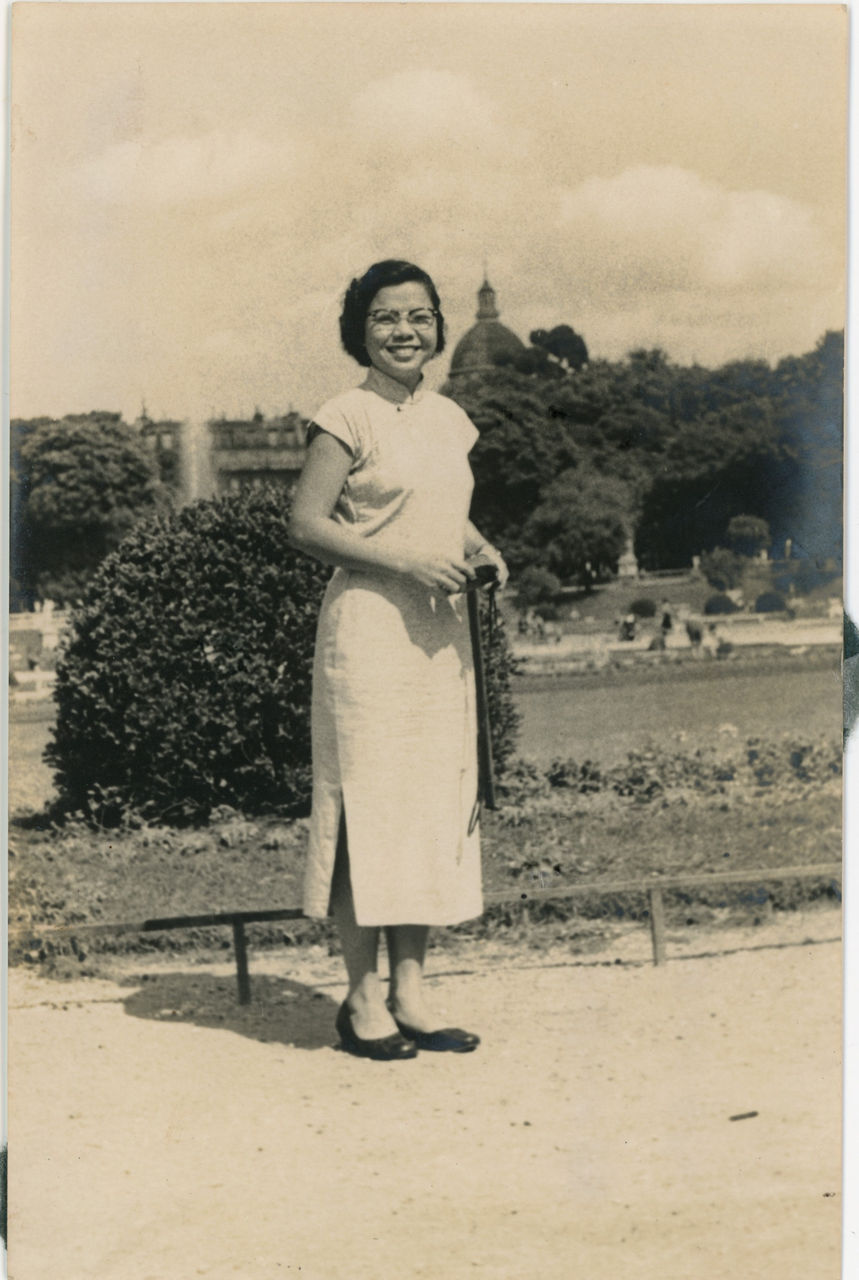
Lai in Paris, 1955.
Digitised by National Gallery Singapore Library & Archive with kind permission from the artist's family.
Lai in Paris, 1955.
Digitised by National Gallery Singapore Library & Archive with kind permission from the artist's family.