The UOB Southeast Asia Gallery is temporarily closed and will reopen in late 2027. In the meantime, works from the National Collection remain exhibited across the Gallery. 

Commentaries on the Tanah Impian (Dream Land) series by Krack!

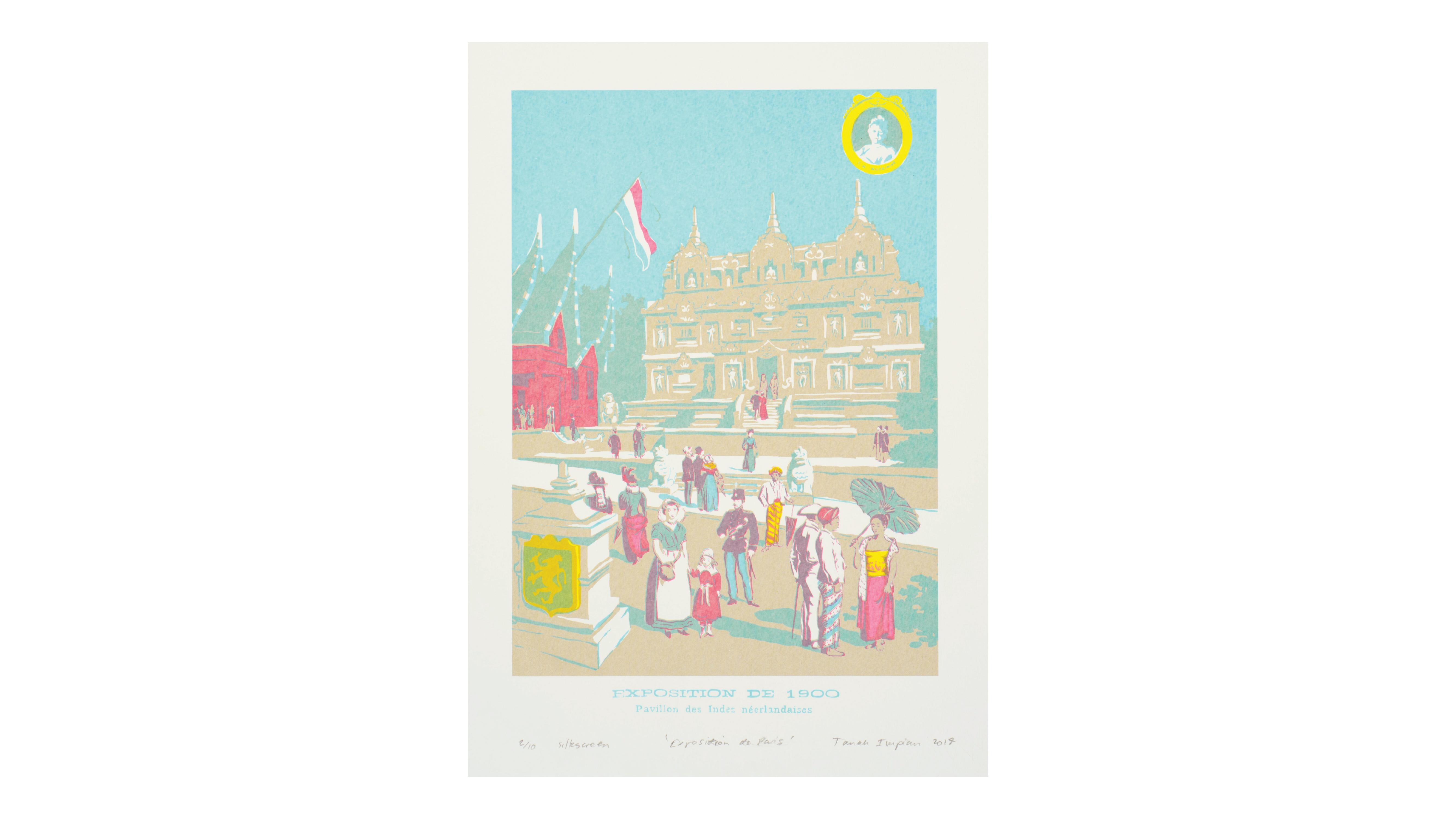
1900 — The Netherlands Pavilion, Exposition Universelle, Paris, 1900

Krack!’s commentary: The Dutch architects presented a replica of Candi Sari, Yogyakarta, and a traditional Minangkabau house with a few “improvements.”  

The original reference image published in Le supplément illustré of Le Petit Journal, 1900, was sourced from Bibliothèque Nationale de France.

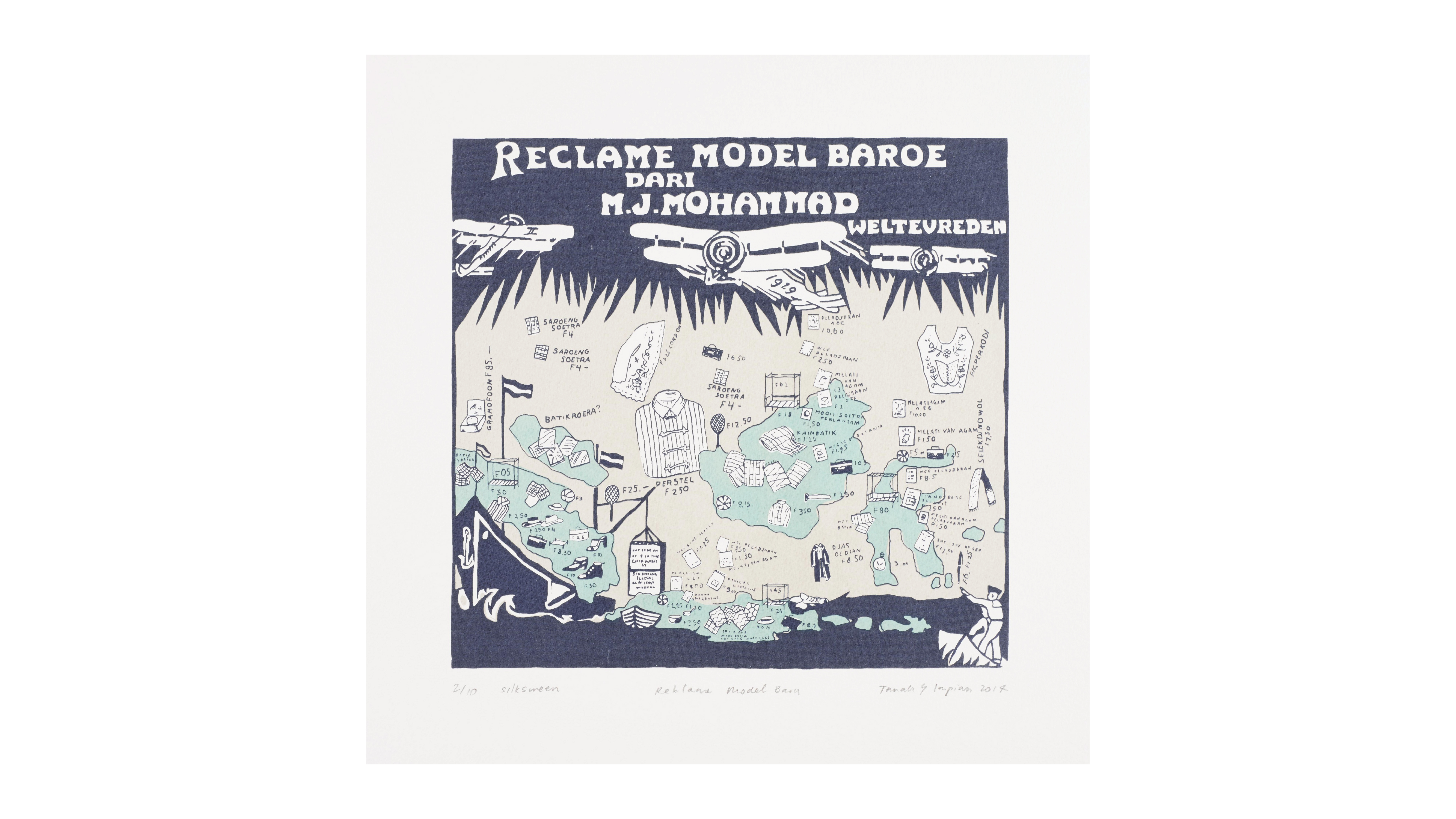
1924 — Advertisement of the latest fashions from M.J. Mohammad

Krack!’s commentary: The advent of air transport in the 1920s meant consumer goods could be cheaply distributed across the archipelago. For the first time, the pribumi (natives) were able to access and afford the consumer goods they had once only dreamt of. The formation of the Indonesian “middle class” is seen as a key factor in the nationalist awakening.

The original reference image published in Bintang Hindia, 1924, and reprinted in James T. Slegel and Audrey R. Kahln, eds., Southeast Asia over Three Generations: Essays Presented to Benedict Anderson (Southeast Asia Program Publications, Cornell University Press, 2003), and Abidin Kusno, The Appearances of Memory: Mnemonic Practices of Architecture and Urban Form in Indonesia (Duke University Press, 2010). 

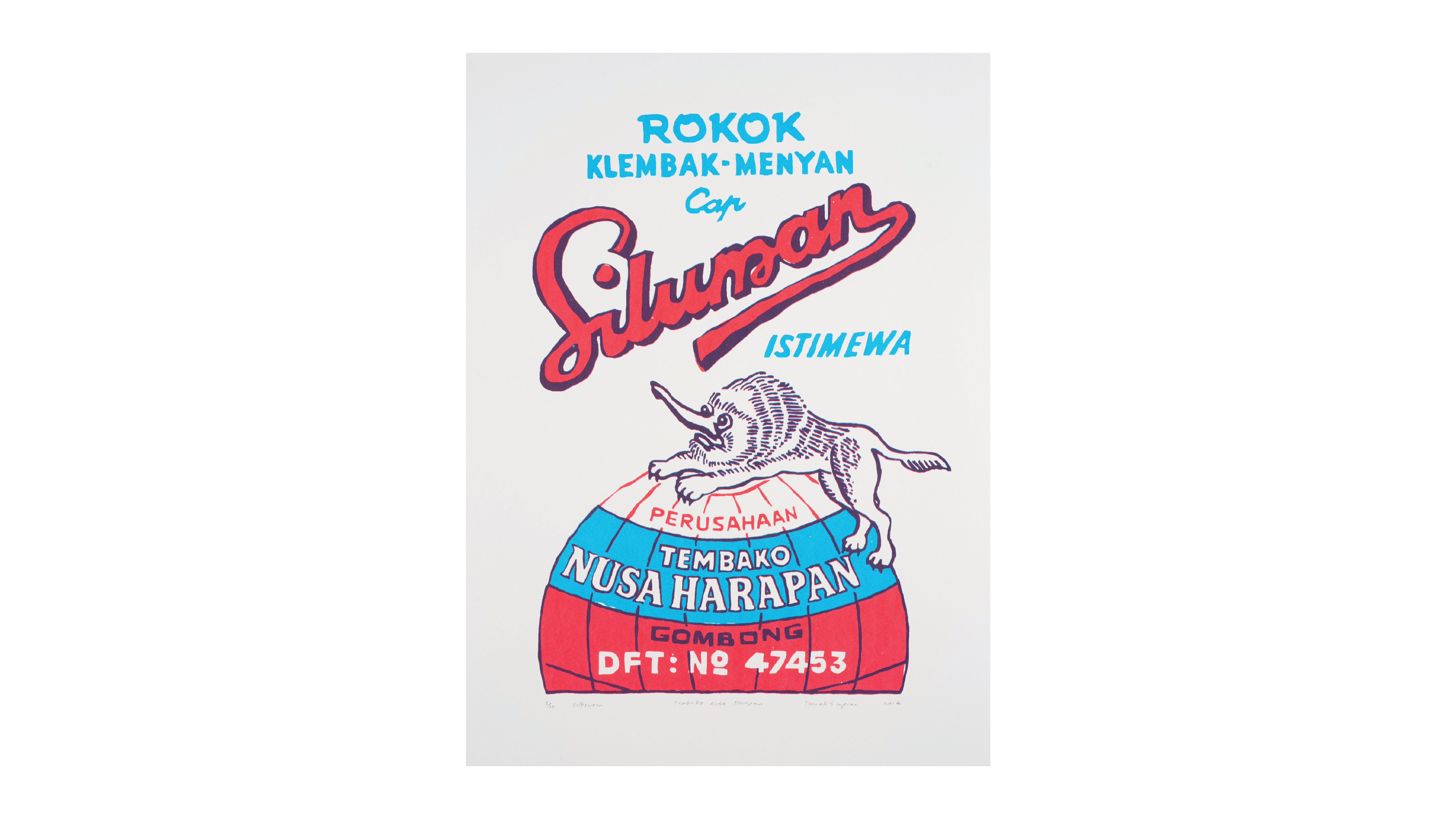
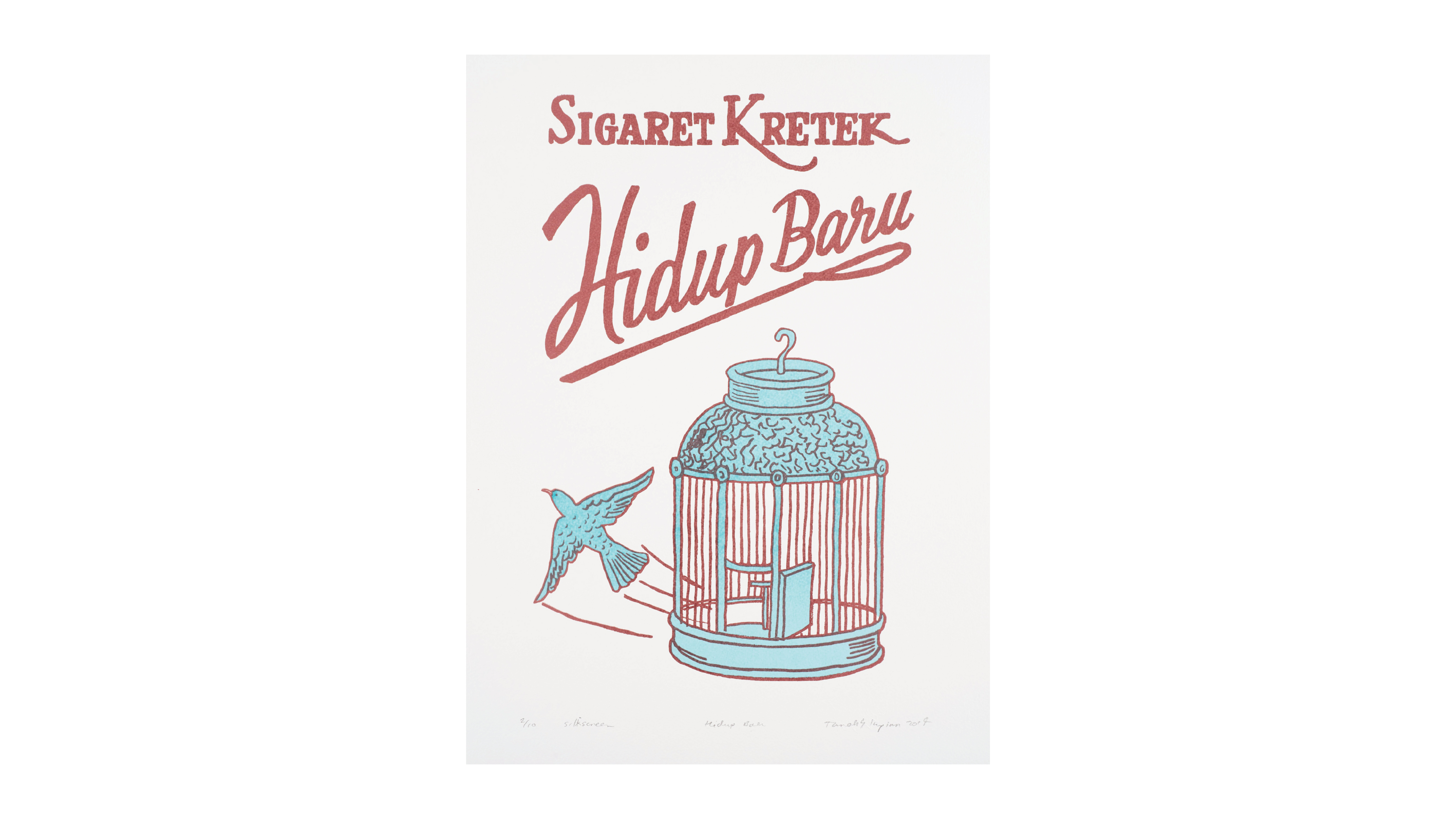
1930 — Klembak menyan cigarettes, Siluman brand. Tobacco of the Land of Hope.

Krack!’s commentary: By the 1930s, most of the population was dreaming of “A Land of Hope” and “A New Life.” The Indonesian tobacco industry was (and still is) quick to align itself with the aspirations of its market.

Klembak menyan: a type of traditional Indonesian cigarette made of rhubarb root.
The original reference image published on a packet of Siluman brand cigarettes was sourced from Komunitas Kretek. 

1935 — Clove cigarettes; a new life.

The original reference image published on a packet of clove cigarettes was sourced from an online antique shop. 

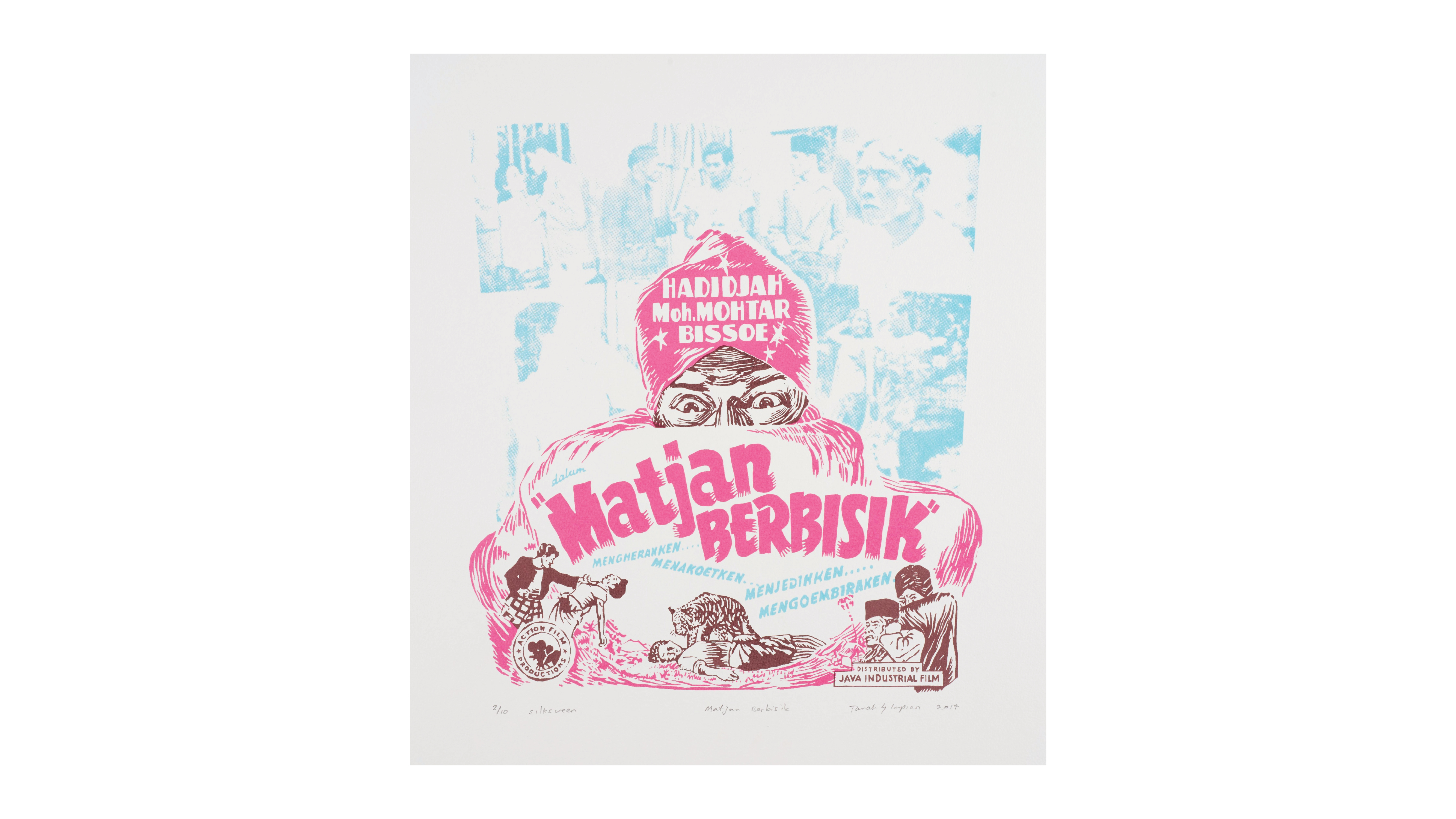
1940 — The Whispering Tiger. Mysterious ... Scary … Sad … Happy …

Krack!’s commentary: Java Industrial Film produced the first locally made feature films, starting in 1936. These films were dismissed by critics for ages because they were made by “ethnic Chinese” and were more influenced by Hollywood’s dream of the “Orient” instead of local reality. More recently it has been argued that the “self-othering” of Indonesia was an important step in defining a national identity.

The original reference image was sourced from the collection of Sinematek Indonesia.

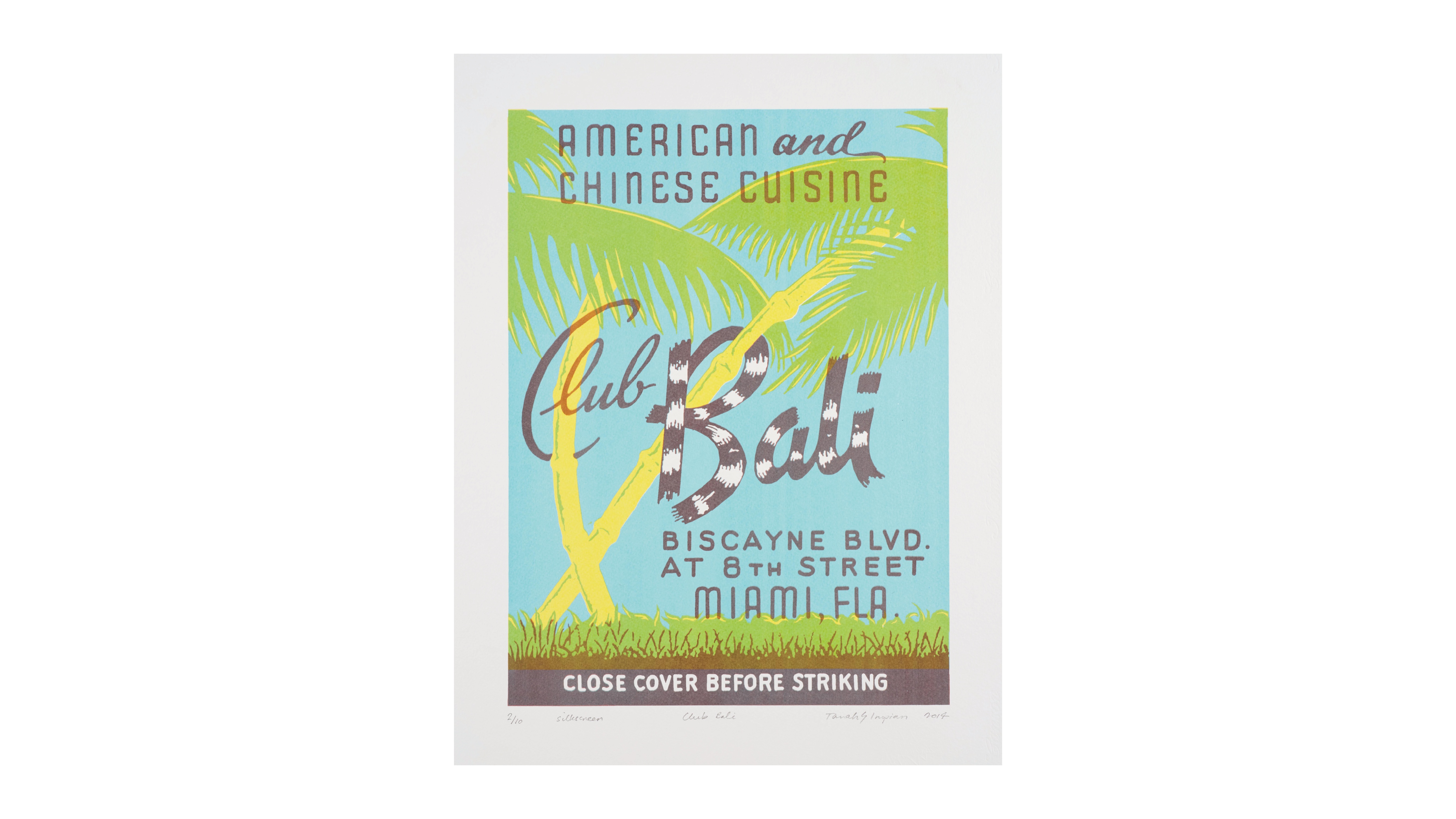
1942 — Club Bali

Krack!’s commentary: Club Bali was a popular nightspot (and illegal casino) in Florida in the 1940s. Tiki lounges were a mishmash of Southeast Asian, Polynesian and Hawaiian exotica that were popular in the 1940s and 1950s, built by people who had probably never left their home states. And yet their exotic appeal has persisted and continues to influence the way Indonesia is dreamt of internationally.

The original reference image printed on the cover of a matchbox was sourced from arkivatropika.com, a now-obsolete personal blog of tropical-themed ephemera by Mimi Payne.

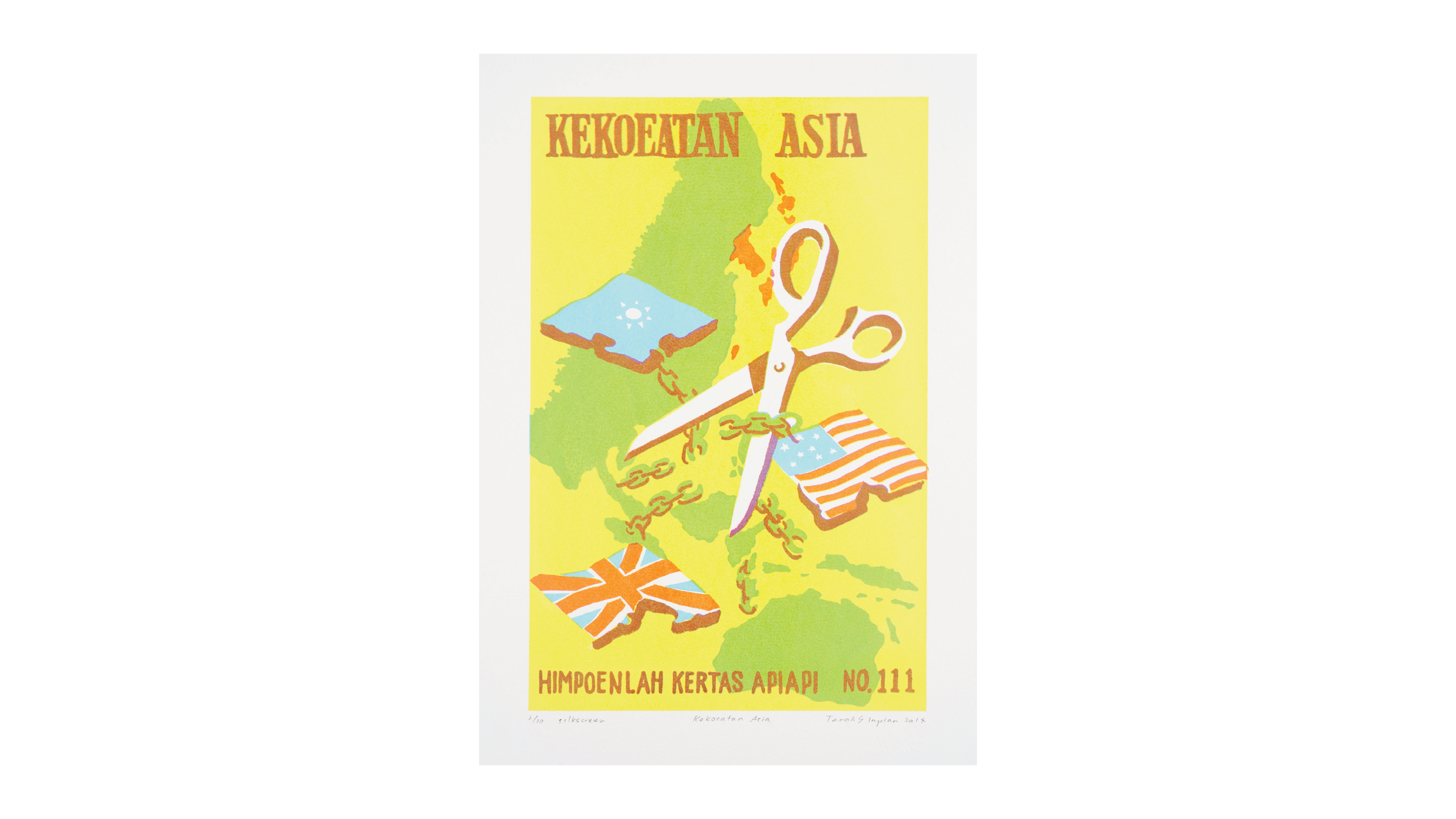
1943 — The Power of Asia

Krack!’s commentary: Indonesia was occupied by Japan during World War II from 1942 to 1945. Japan offered a dream of a united Asia, free from the influence of Britain, United States and the League of Nations, emphasising the difference between “Us” and “Them.” They aligned their dream with that of the Independence movement and formed unlikely alliances with the future leaders of the Republic.

The original reference image printed on the cover of a matchbox was sourced from the collection of Museon, The Hague.

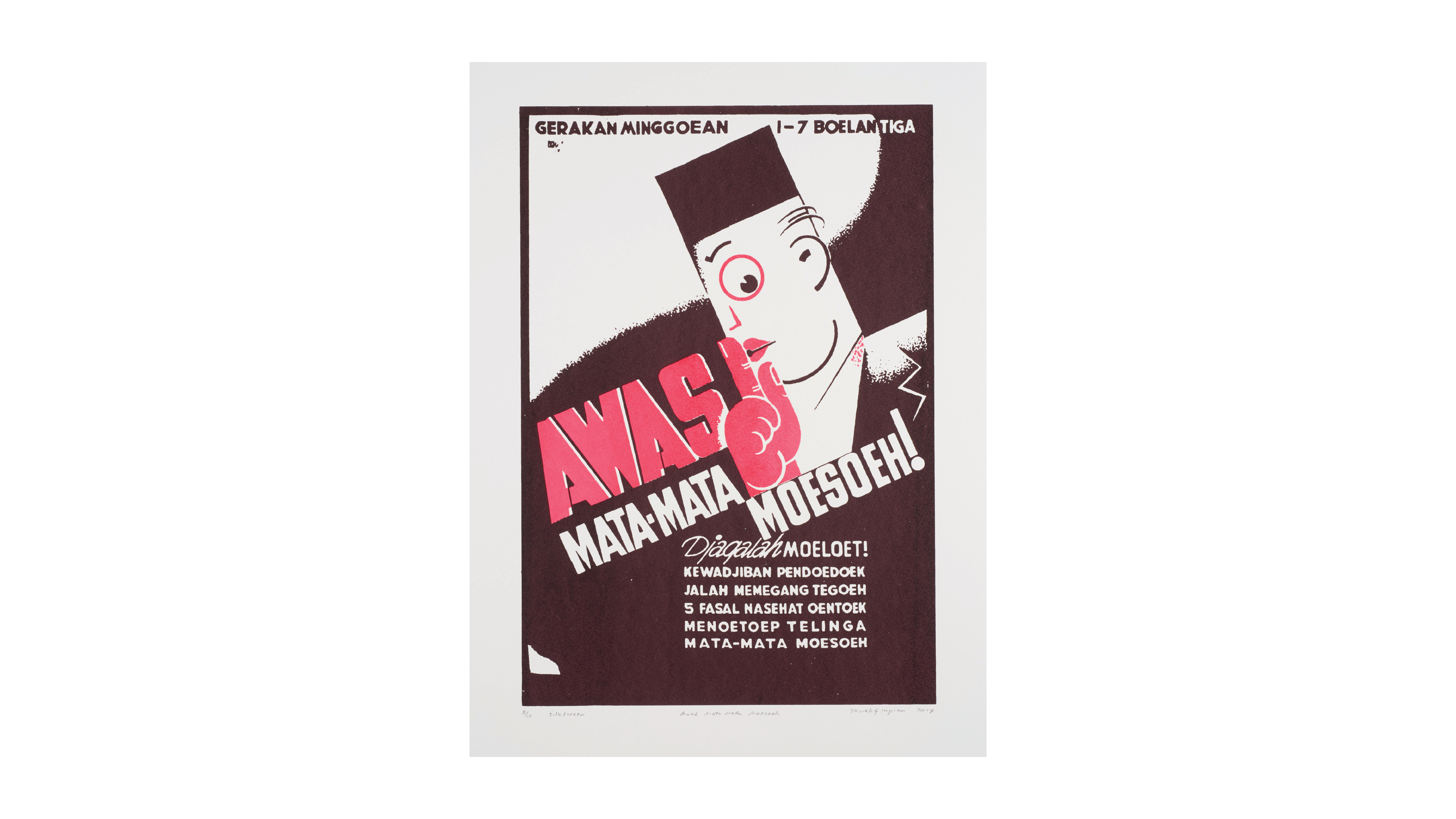
1944 — Beware, there are spies amongst us! Watch your mouth! The duty of the people is to hold firm the five points of advice for closing the eyes and ears of the enemy.

The original reference image is a print by anonymous, sourced from the collection of NIOD Institute for War, Holocaust and Genocide Studies, Amsterdam. 

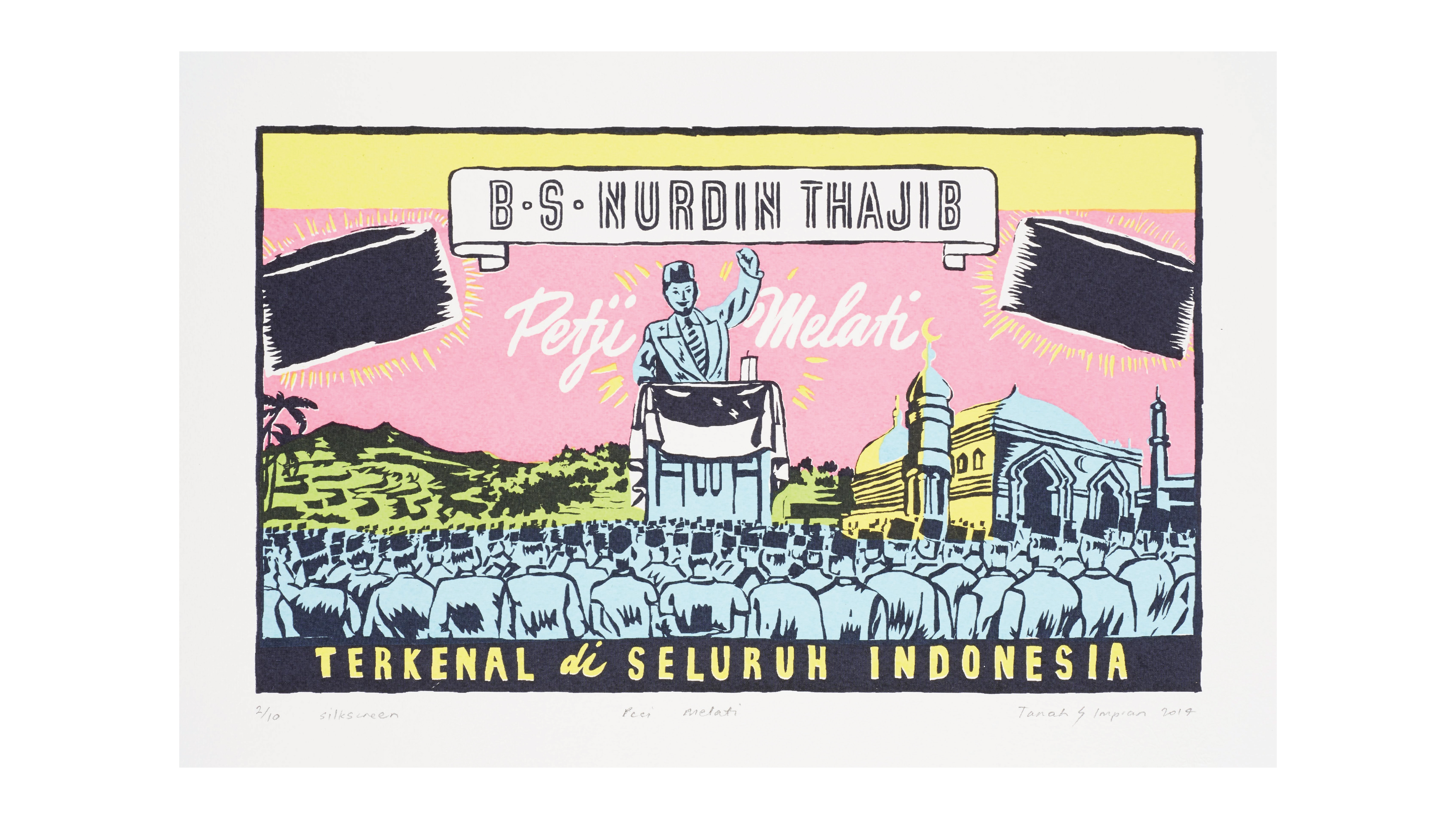
1950 — Petji Melati, famous all over Indonesia

Krack!’s commentary: Petji (or peci) is a small velvet hat famously worn by Soekarno, who deliberately popularised it as a new symbol of Indonesian identity. Since then, there has always been a symbolic relationship between the peci, nationalism and the masses.

The original reference image published as a ticket in 1950, was sourced from Pikat - Pameran Iklan Cetak Generasi ke-2 (Bentara Budaya, 2006). 

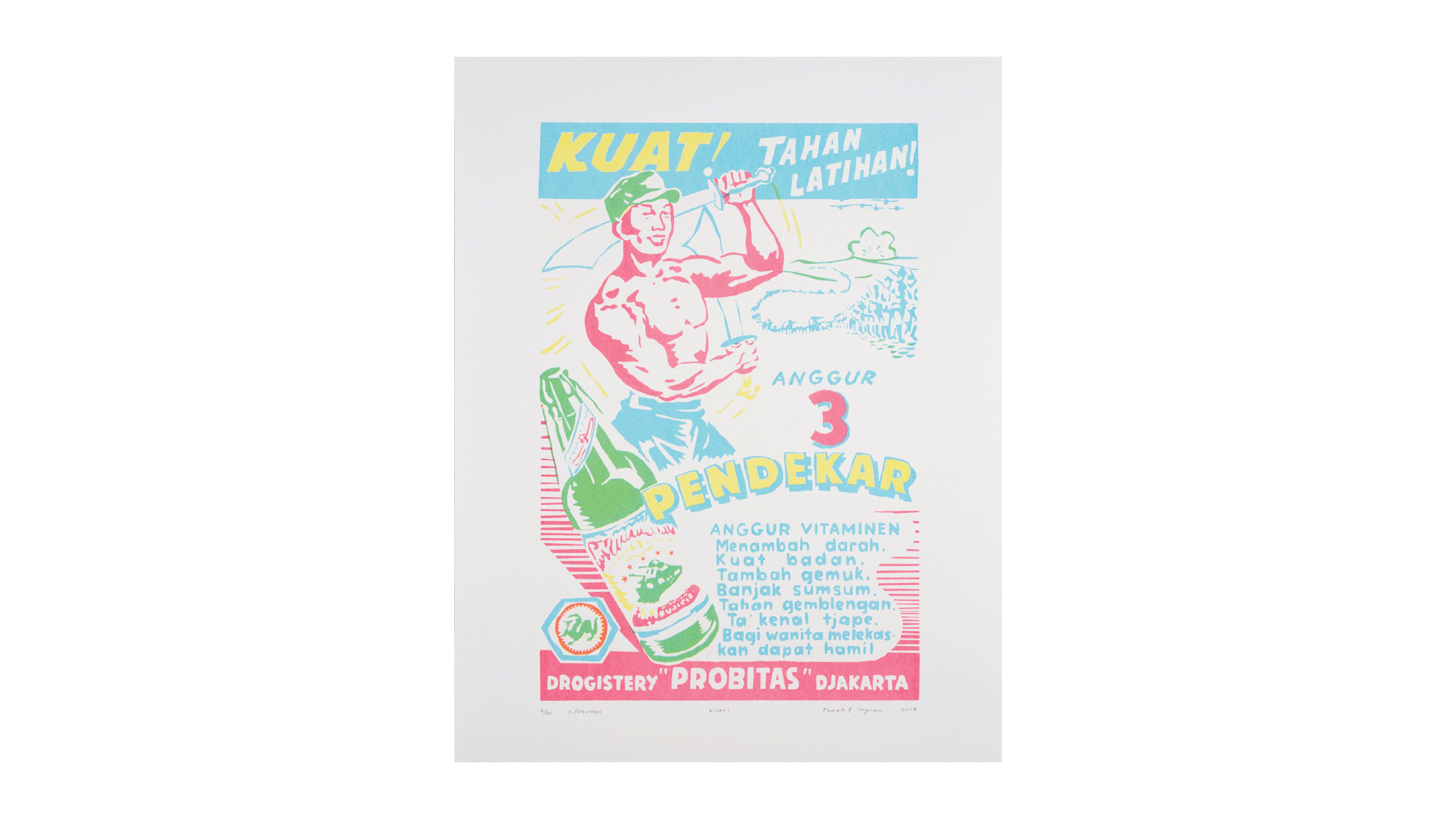
1953 — Be Strong! Be Fit! Three Swords Wine. Increases your blood. Makes your body stronger. Makes you fatter. Makes you smarter. Good for bones. Makes you energized. Enhances the fertility of women.

Krack!’s commentary: At the dawn of the Republic, the Indonesian dream finally became a reality, for the first and maybe the only time. 

The original reference image published as “Anggur 3 Pendakar,” Madjalah Star, 1953, was reprinted in Pikat - Pameran Iklan Cetak Generasi ke-2 (Bentara Budaya, 2006). 

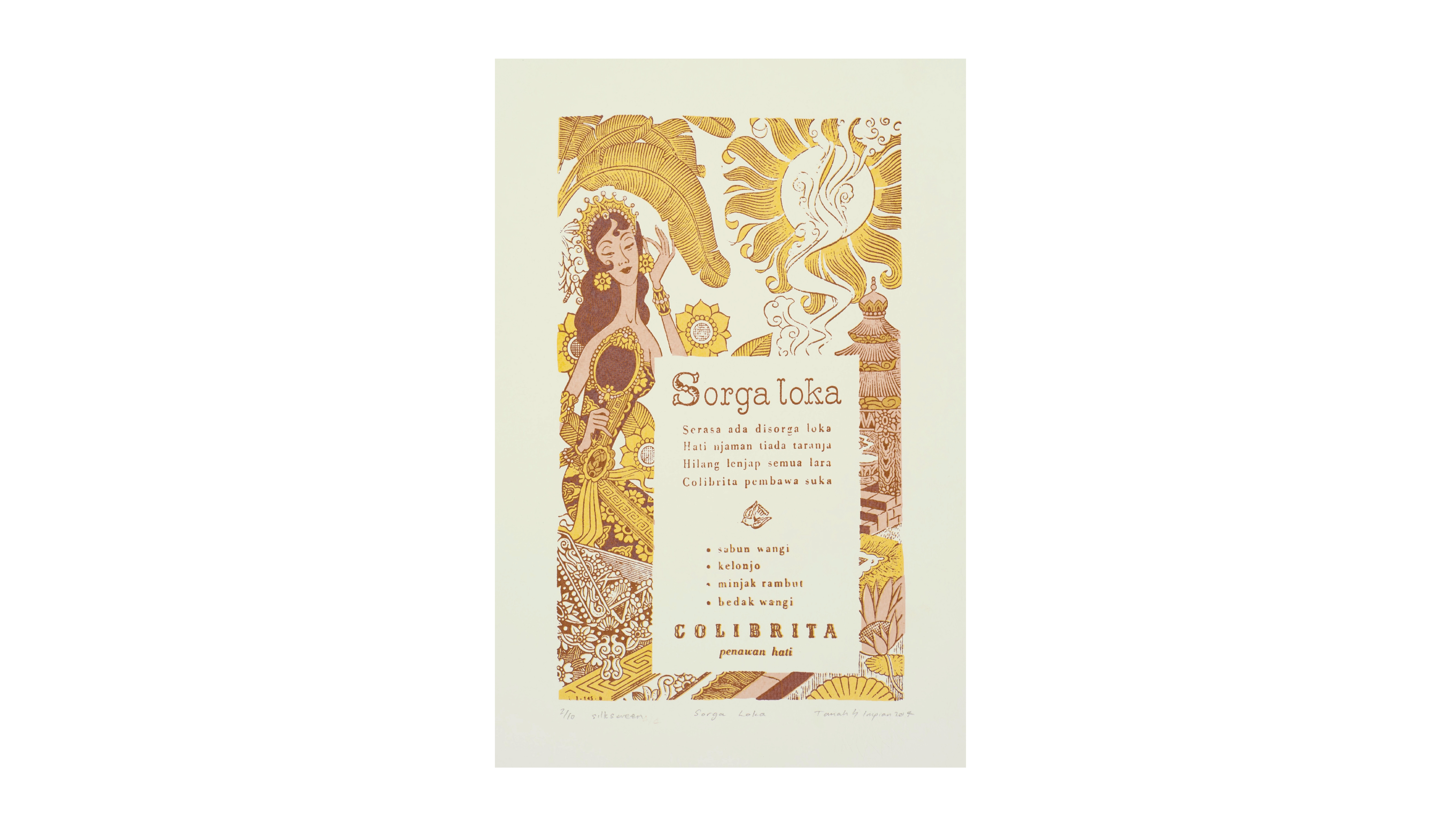
1962 — The Garden of Paradise. Feels like heaven. Unequalled comfort. All cares have vanished. Colibrita is the bringer of comfort. Scented soap, cologne, hair oil, scented powder. Colibrita—captivating.

Krack!’s commentary: Over the 100 years of popular imagery that we surveyed for this project, ads for cosmetics, soap products and household goods tell an interesting story about the changing aspirations of Indonesian women. Up until the 1970s the traditional role of women as homemakers was never challenged.

The original reference image was published in Wanita, no. 22, 1962.

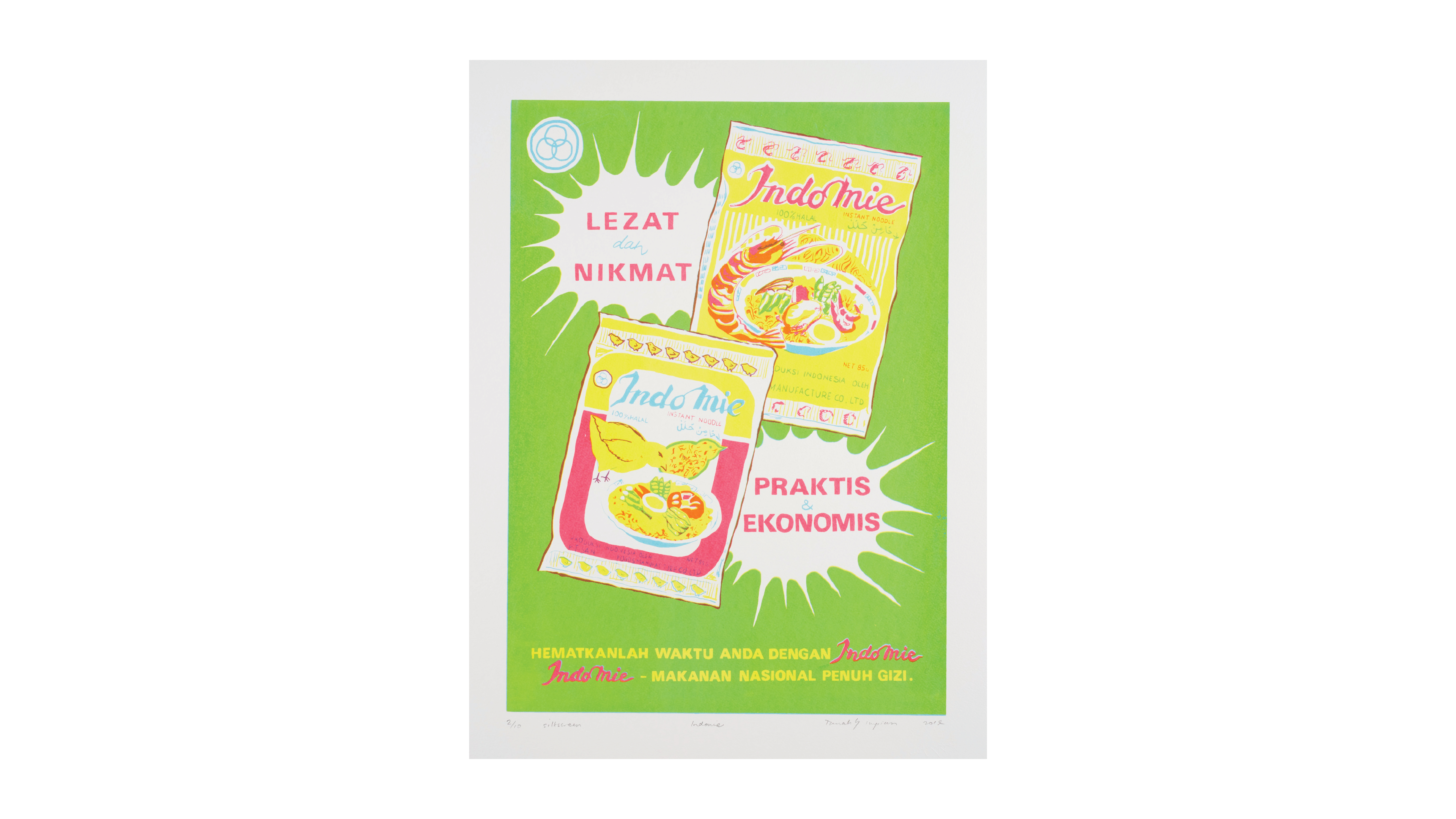
1970 — Indomie: Delicious and easy, practical and economical. Save time with Indomie. Indomie, the national food full of health.

Krack!’s commentary: In 1970, for the first time, Indonesia has a national dish. Has any other brand ever aligned itself so successfully with national identity? The ultimate comfort food, and the cheapest meal in the supermarket. But not exactly penuh gizi (full of health).

The original reference image was sourced from Wikipedia.

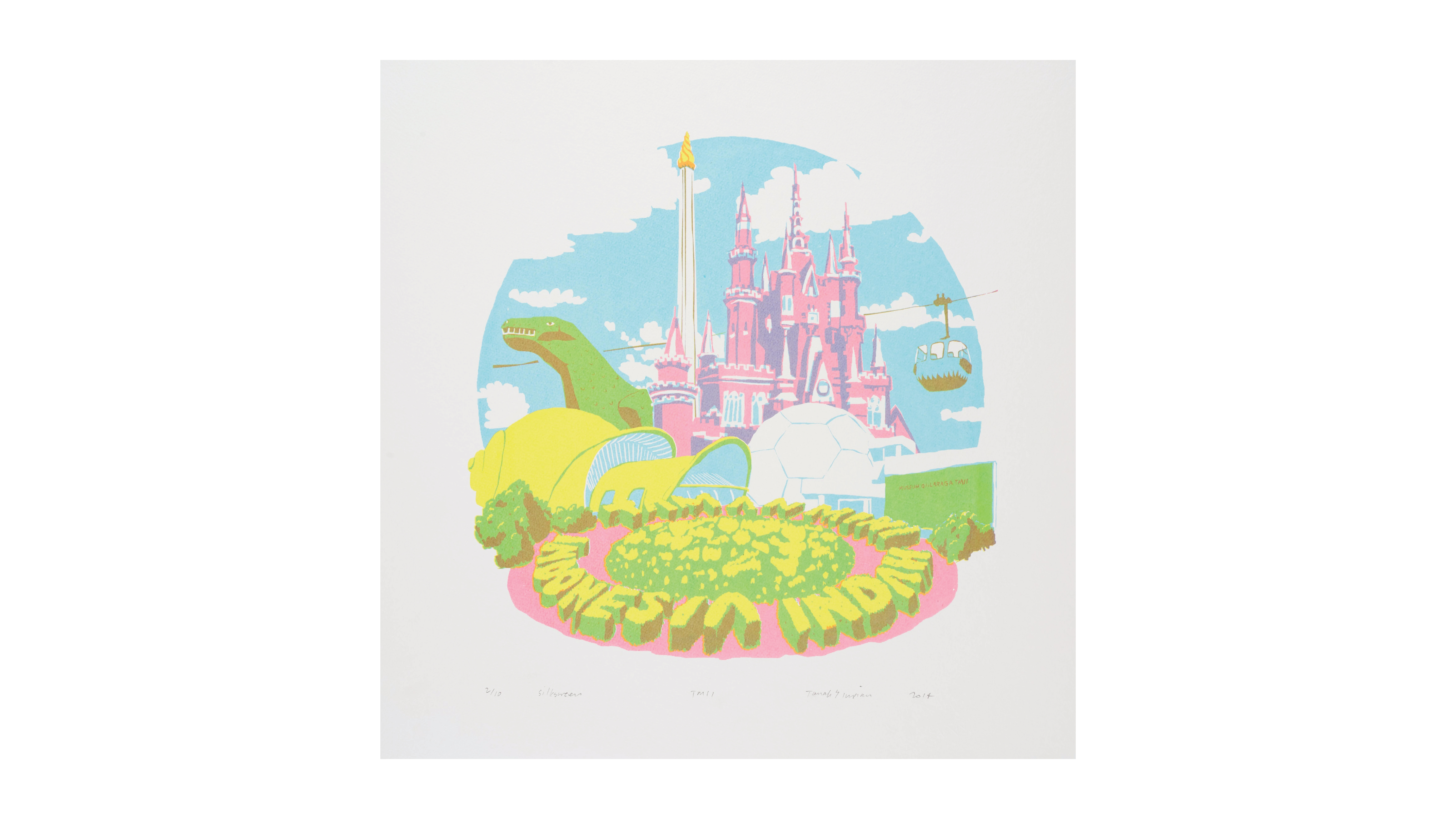
1975 — The Mini Garden of Beautiful Indonesia.

Krack!’s commentary: At Taman Mini, a theme park in East Jakarta, you can visit every province of Indonesia (in miniature form) in one day—or at least, Indonesia as re-imagined by the New Order—plus, inexplicably, a Disneyland castle. Opened in 1975, Taman Mini was the dream of Ibu Tien Soeharto, wife of the then president. 

The image of Taman Mini was reconstructed based on images from various sources. 

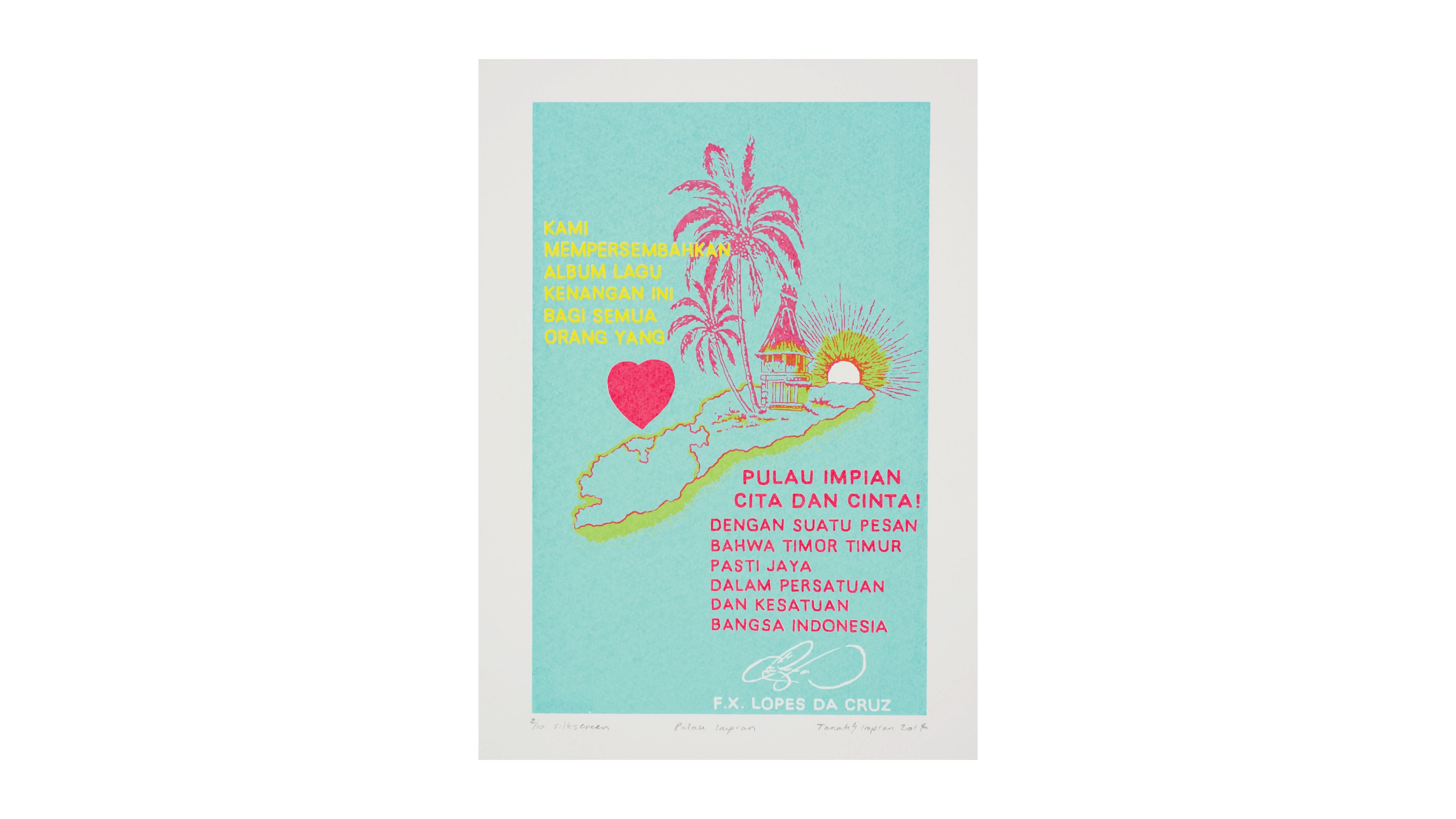
1976 — We dedicate this album of memorable songs to all who care for the ISLAND OF DREAMS, JOY AND LOVE! With a message that East Timor will prosper in unity and oneness with Indonesia.

Krack!’s commentary: This cassette cover of an album of love songs was dedicated to East Timor after its invasion by Indonesia in 1976. More than 200,000 East Timorese (25% of the population) were killed by the Indonesian miliary during the occupation from 1976 to 1999.

The original reference image was sourced  from Dr Iwan Cybermuseum, http://driwancybermuseum.wordpress.com/

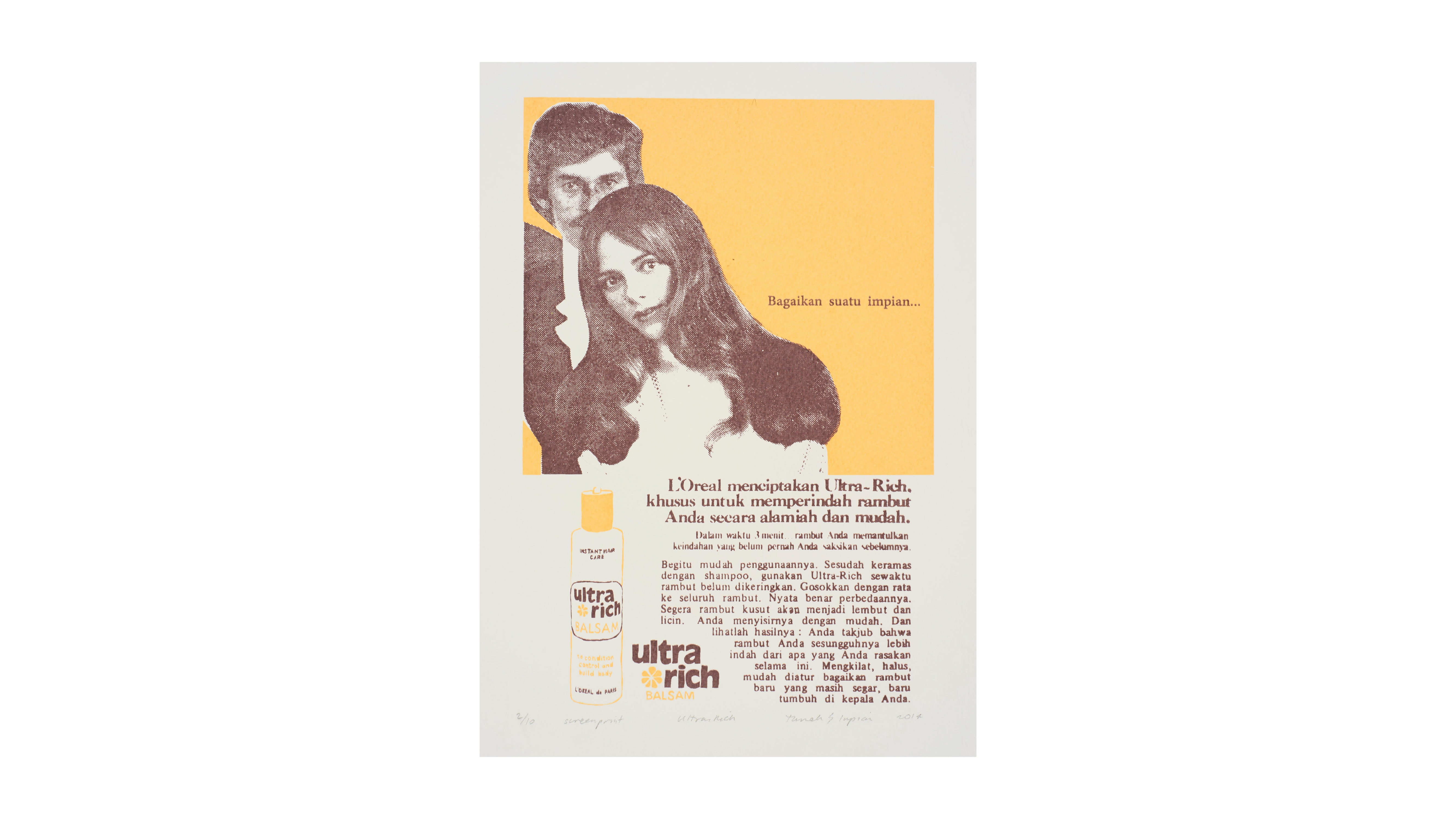
1975 — L’Oreal presents Ultra Rich, especially to make your hair beautiful, naturally and easily. Within three minutes … your hair will reflect a beauty you have never seen before. Blah, blah, blah ...

Krack!’s commentary: In the 1970s, advertising agencies finally realised that women had dreams beyond being a homemaker or going to heaven.

The original reference image was published in Intisari, 1975.

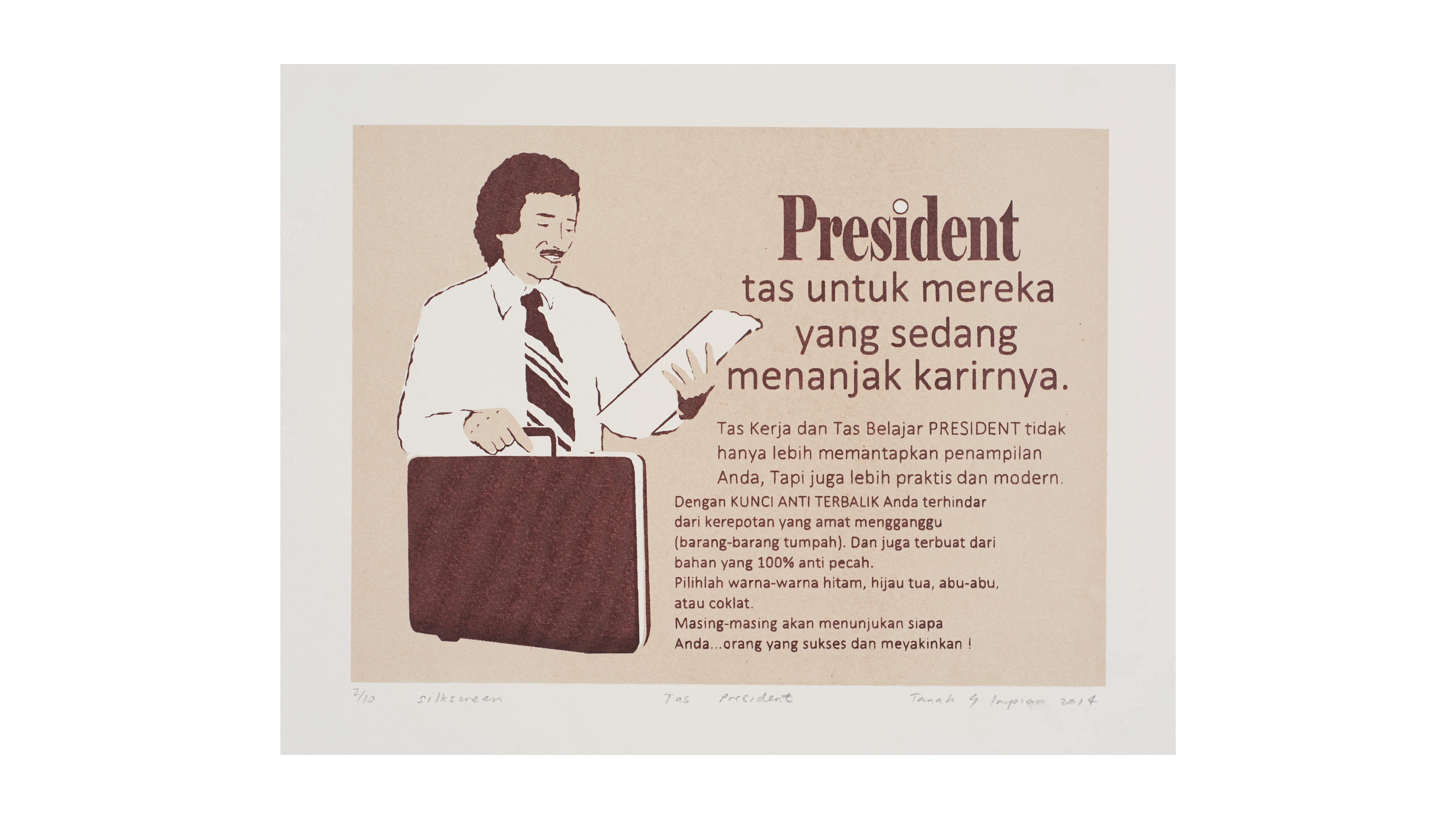
1980 — President: A briefcase for those whose careers are rising. President briefcases and school cases not only make you appear more important, but they are also more practical and modern. With the anti-reverse lock you avoid difficulties which can be quite annoying (like your stuff falling out). And it is also made from 100% unbreakable material. You can choose from black, dark green, grey or brown. Each will show everyone who you are ... A person who is successful and convincing!

Krack!’s commentary: Before the 1970s, advertising campaigns tended to be designed around conservative definitions of home, community or nation. In the 1970s this shifted, and consumers were encouraged to embrace symbols of individual success: money, career or material possessions.

The original reference image was sourced from https://gogorbangsa.wordpress.com/.

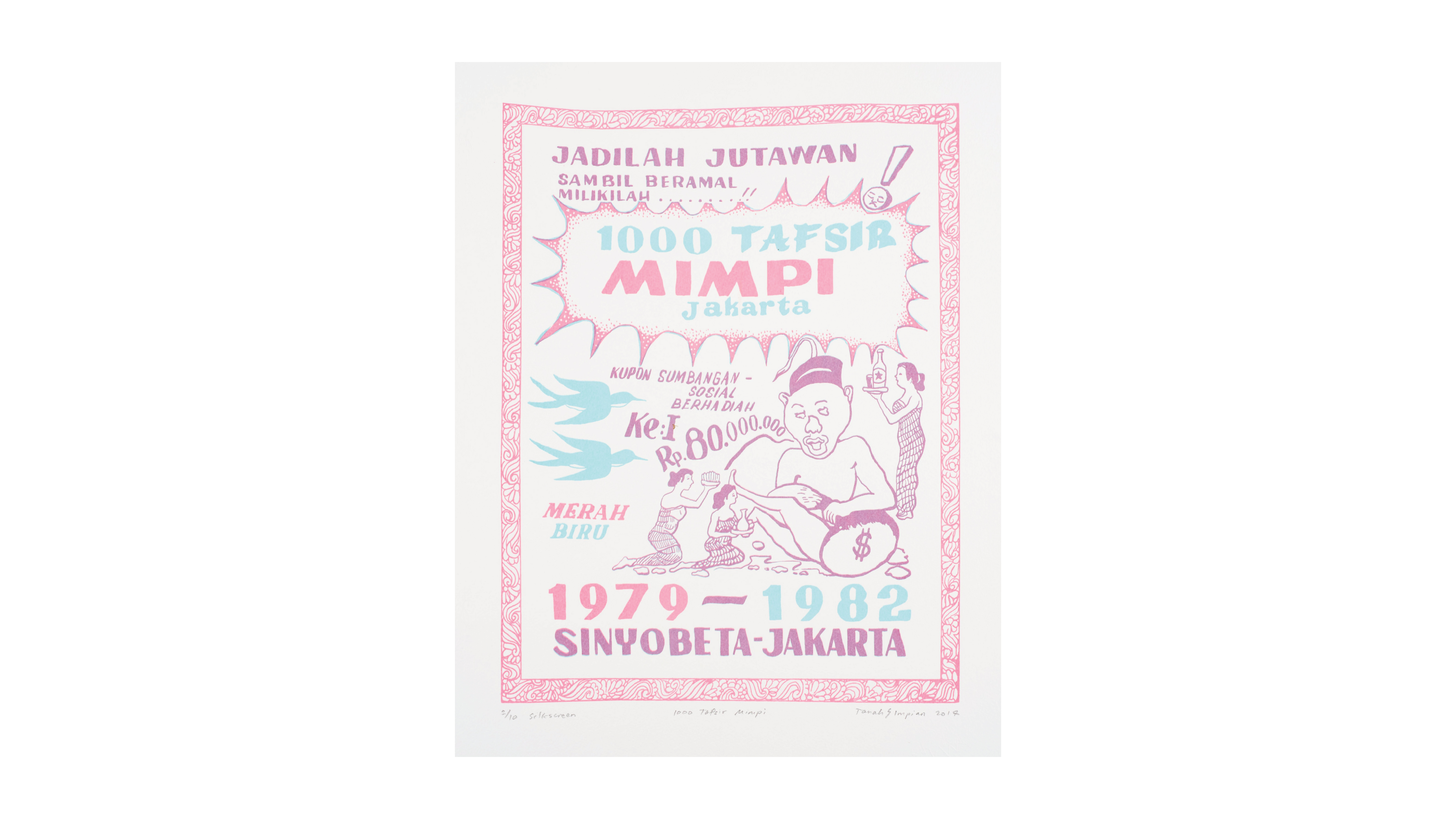
1979 — Be a millionaire! Give to charity! Choose “1000 Dream Interpretations, Jakarta.” Social Charity Lottery Ticket: First Prize, Rp 80 million. For the period 1979 to 1982.

Krack!’s commentary: In the 1980s, gambling (both illegal and legal) became hugely popular. Books like 1000 Tafsir Mimpi (1000 Dream Interpretations) were used to divine lottery numbers based on one’s dreams. The 1980s was an economic boom time, but not for everyone. Maybe winning the lottery was the only way one could catch up.

The original reference image was published in 1000 Tafsir Mimpi, 1982. Collection of Wok The Rock.

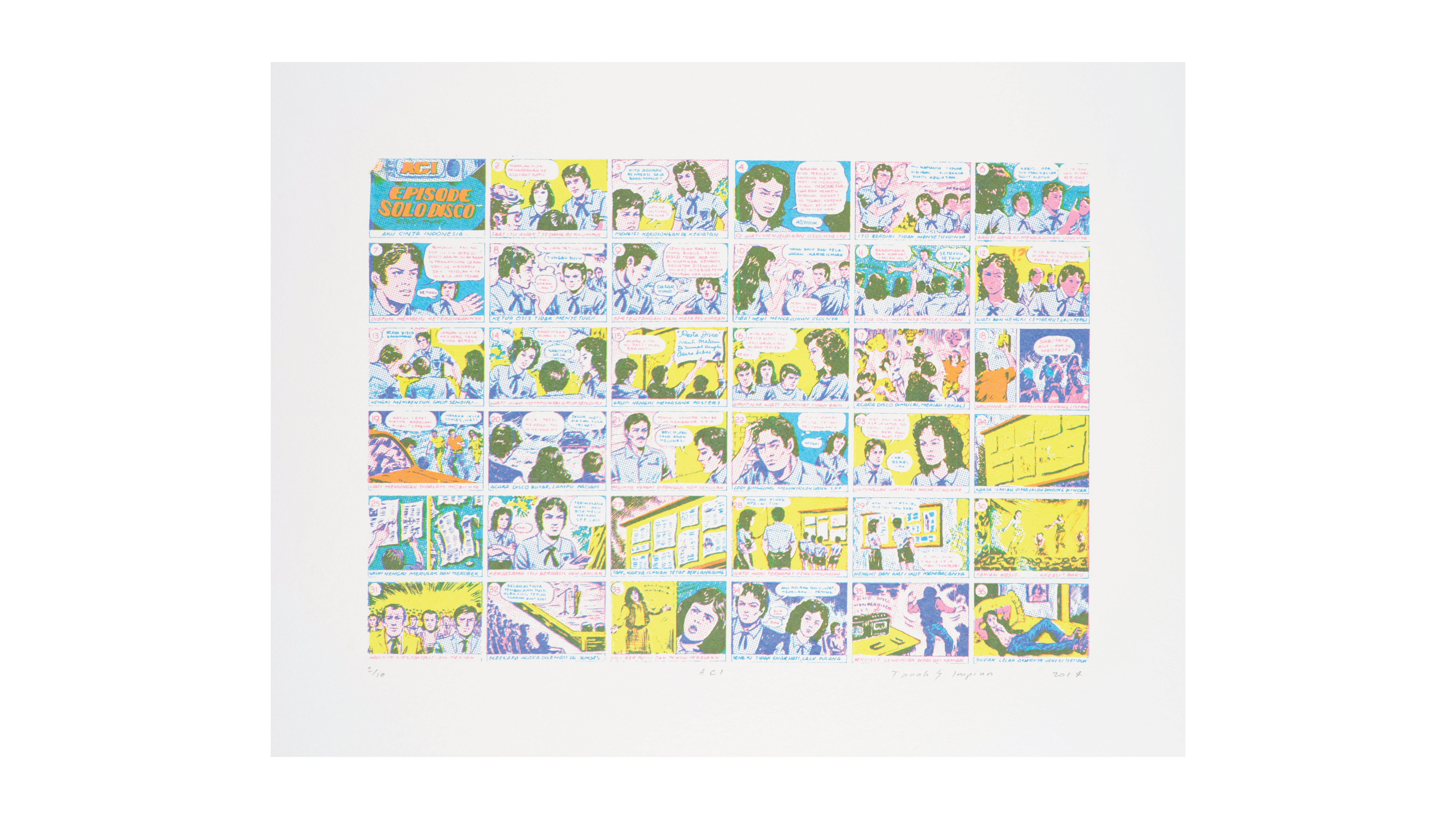
1986 — An episode of Aku Cinta Indonesia (ACI)—Solo Disco. The dialogue is too lengthy to be translated. In short, Hengky wants to have a disco, but it all falls through and he ends up having a disco on his own.

Krack!’s commentary: ACI was one of the first soap operas in the nation, produced by PUSTEKKOM, a government department. It was vaguely “developmentalist.” The plotlines were mostly about how teenagers should behave. But it is still fondly remembered by most people today. Perhaps that’s because modern Indonesian soap operas bear so little resemblance to actual life.

The original reference image was published in Gambar Umbul from the collection of Ibnu “Benu” Wibi Winarko Iswanto.

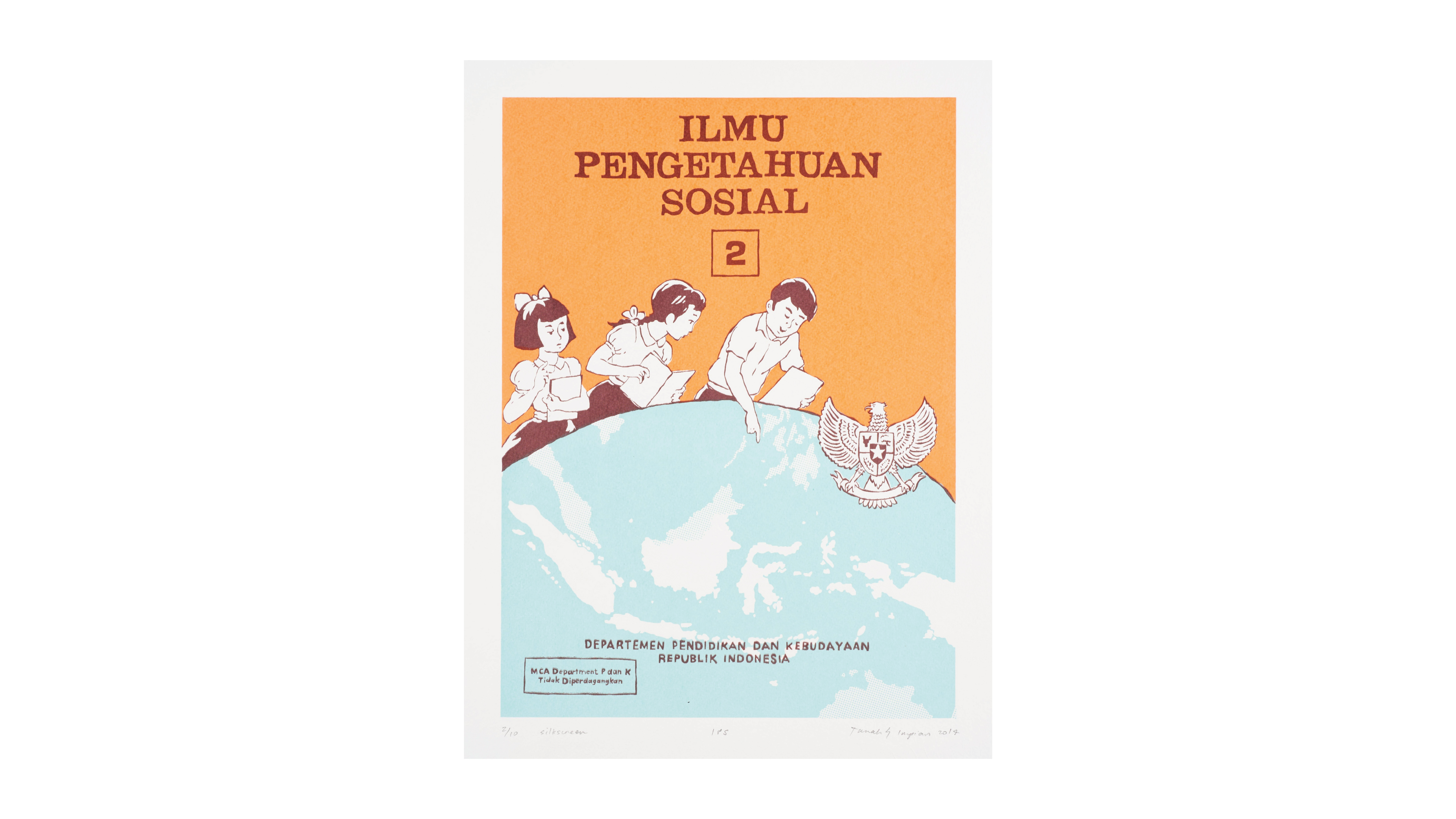
1990 — Social Sciences 2. Department of Education and Culture. Do not copy.

Krack!’s commentary: Basically, this schoolbook told children what they should dream of, how they should dream and how they should realise their dreams. It followed the Pembangunan (developmentalist) agenda of the New Order, which stated you could do whatever you wanted ... er ... as long as it’s in the interests of Bapak Pembangunan, also known as Soeharto.

The original reference image is a book cover of Ilmu Pengetahuan Social published by Departemen Pendidikan dan Kebudayaan Republik Indonesia (c. 1985).

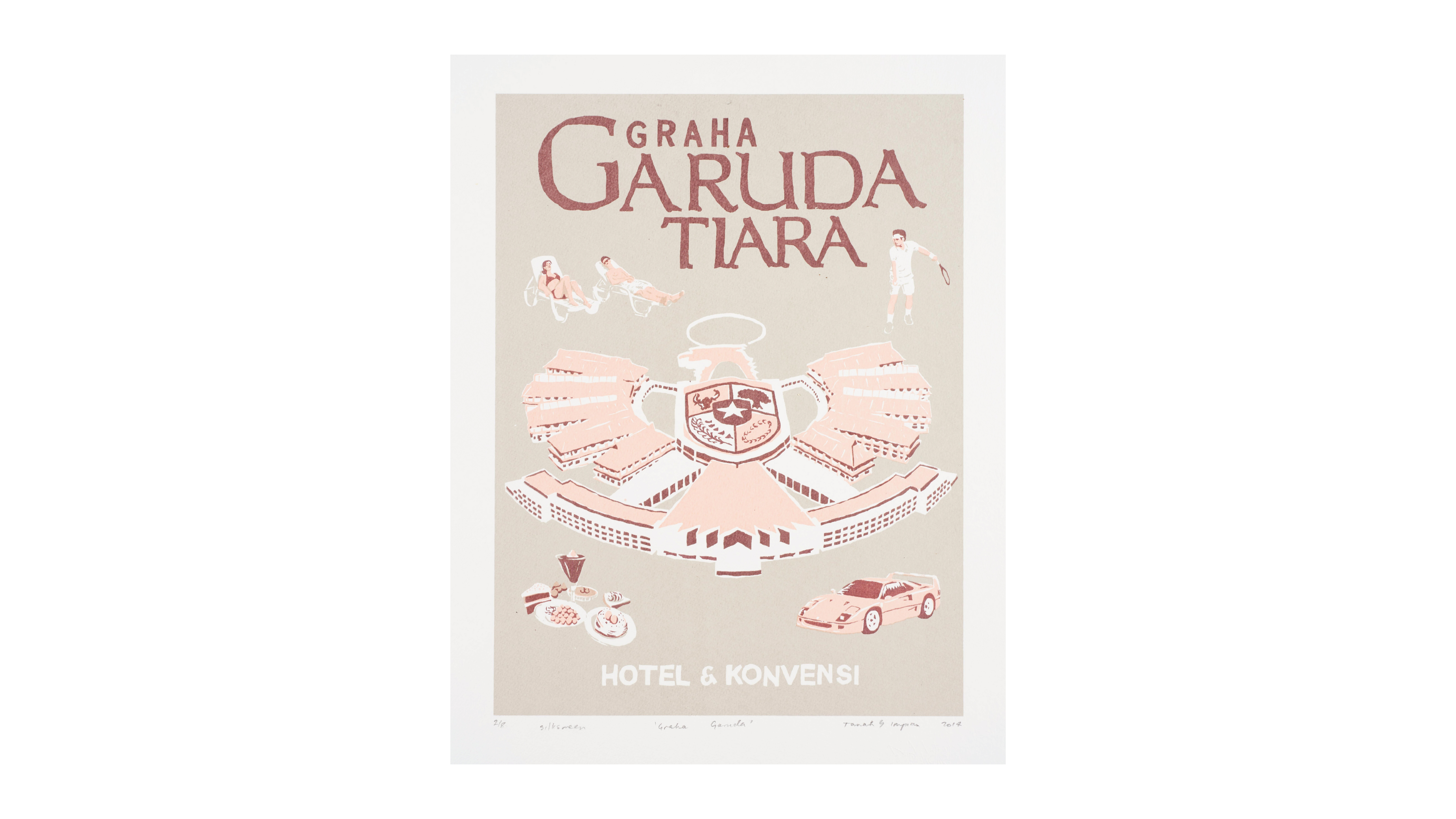
1996 — Hotel Garuda Tiara

Krack!’s commentary: This hotel and convention centre was designed in the shape of the Garuda Pancasila, the Indonesian coat of arms. It was built by Soeharto’s daughter, Ms Tutut. Construction began in 1995 but stopped in 1998 after the Indonesian monetary crisis. Several months later the hotel was declared bankrupt and Ms Tutuk’s grand dream ended. It can still be found on Google maps.

This image of the hotel has been reconstructed based on images from Google maps and recent photographs from the site, with additions from Krack!.

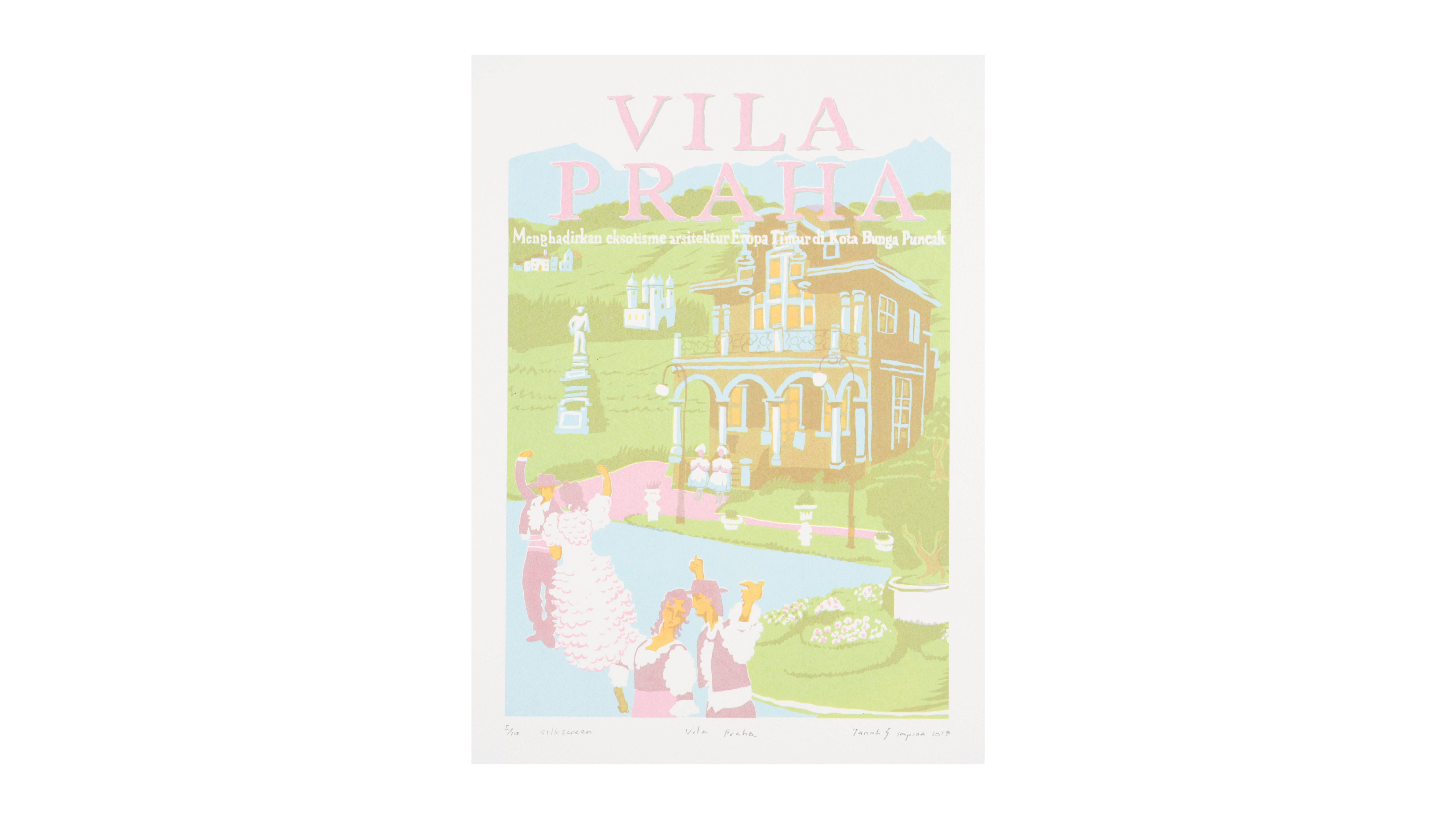
2007 — Villa Prague: Presenting the exoticism of Eastern European architecture in Puncak’s City of Flowers.

Krack!’s commentary: This was an ad for a new housing development in Puncak, near Jakarta. A quick online search for “Vila Praha” revealed the dream did not exactly match the reality—the houses were crammed closely together and there were no gypsies dancing on the street. Nonetheless, we love this ad for its reverse-orientalism; exoticising the Czech Republic with little regard for facts.

The original source image was published in Kompas daily, c. 2007. sourced from Faribi Fakih, “The Beautiful Indonesian House,” Karbon Journal, March 2007.

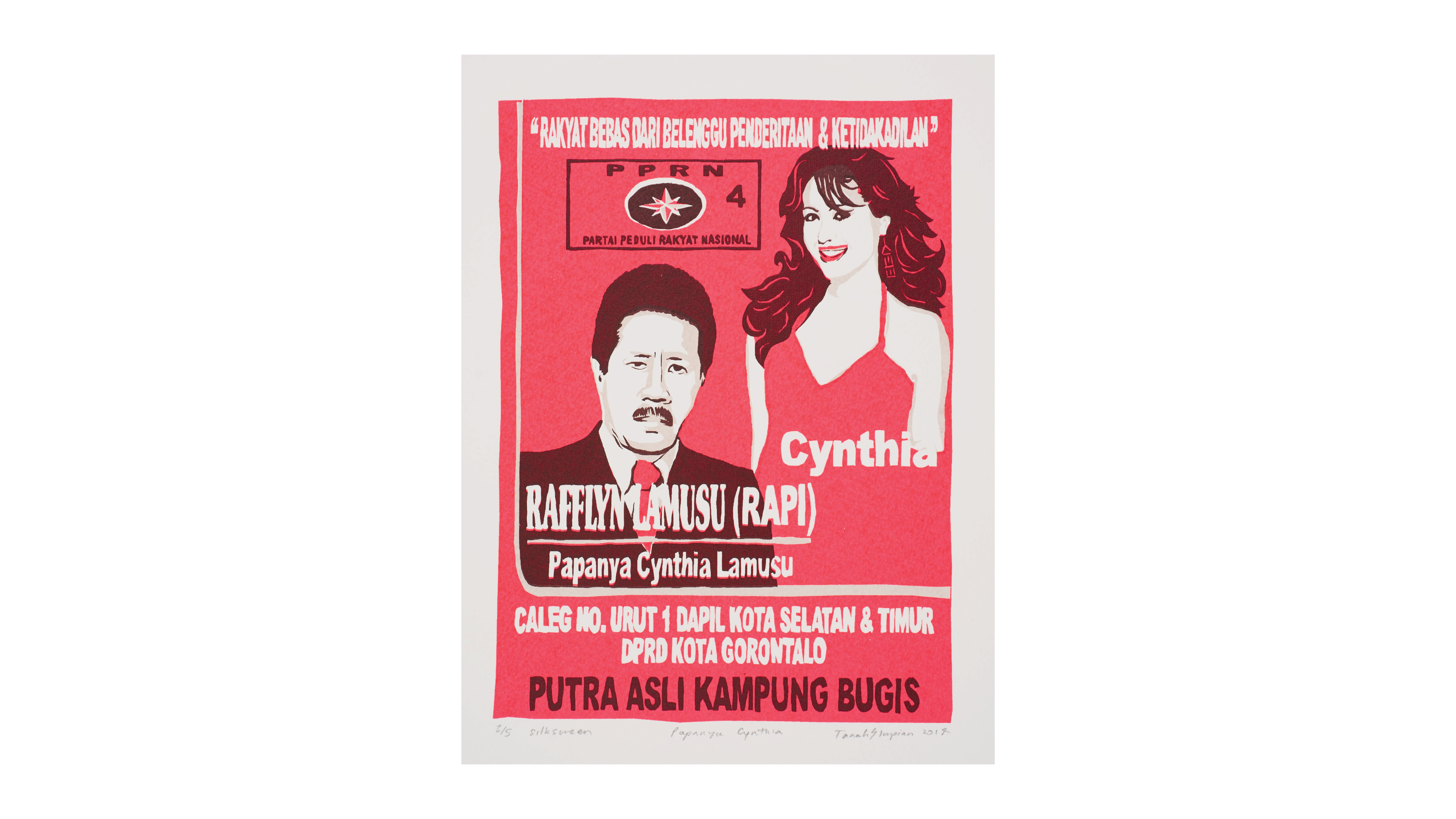
2009 — People free from suffering and injustice. RAFFLYN LAMUSU, FATHER OF CYNTHIA LAMUSU. Candidate for Gorontalo. Native of Bugis.

Krack!’s commentary: Campaign poster from the 2009 elections. The candidate was the father of Cynthia Lamasu, a semi-famous pop star. It was only after the Reformasi that pop stars were courted by political parties to increase their popularity. Was this the democracy dreamt of in 1945 and again in 1998?

The original reference image was sourced from https://menteridesainindonesia.blogspot.com/.

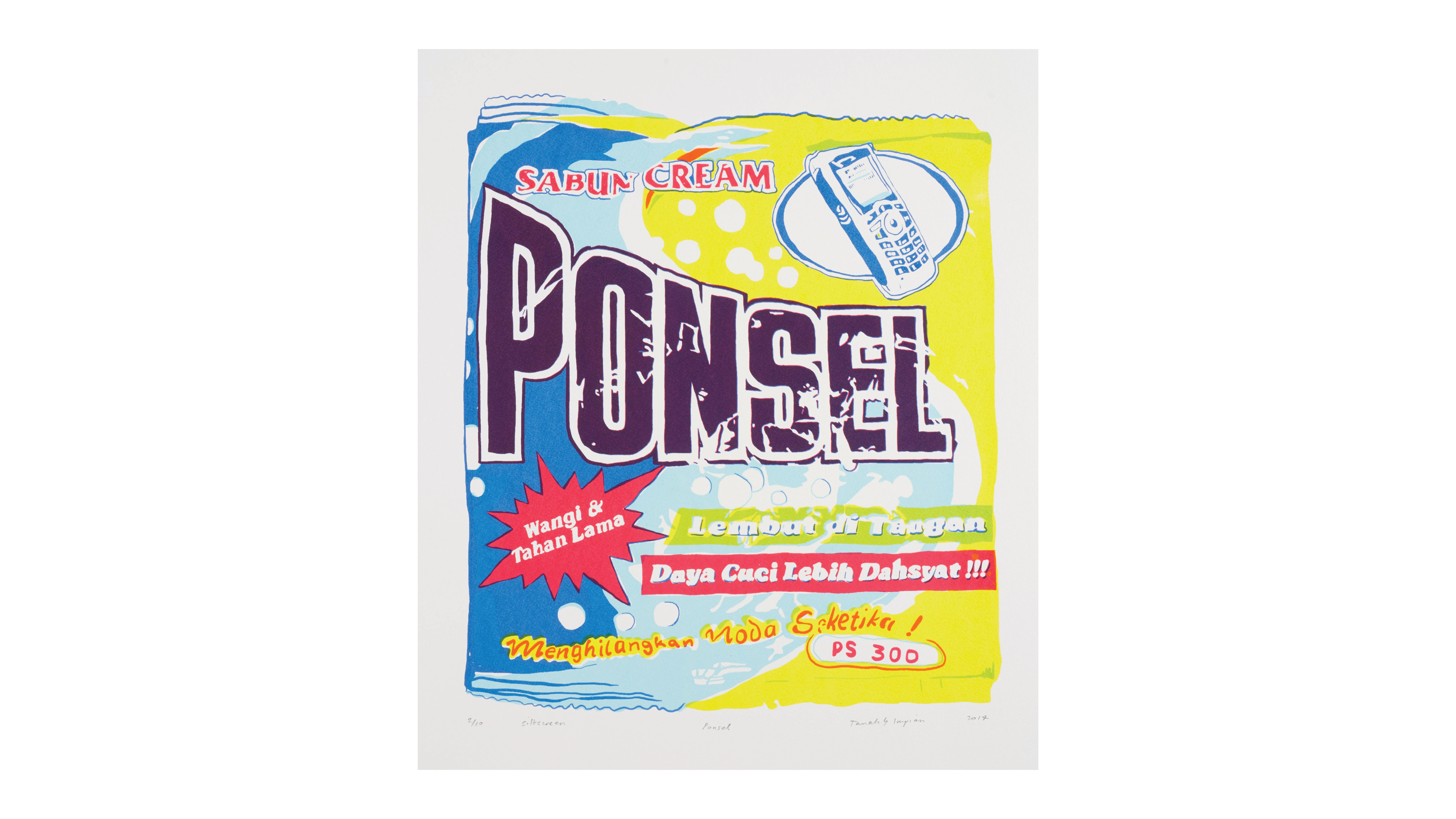
2010 — HANDPHONE washing liquid. Smells nice and lasts longer. Gentle on hands, cleans better. Instantly removes stains!!!

Krack!’s commentary: The impact of telecommunications in terms of redefining the notion of “community” has been huge in the past decade. If Sorga Loka (heavenly realm) was the dream of female consumers in 1965, today it is the “ponsel” (handphone). 

The original reference image was sourced from http://fotofamilyku.blogspot.com/2012/07/gallery-nama-merk-sabunindonesia-yg.html

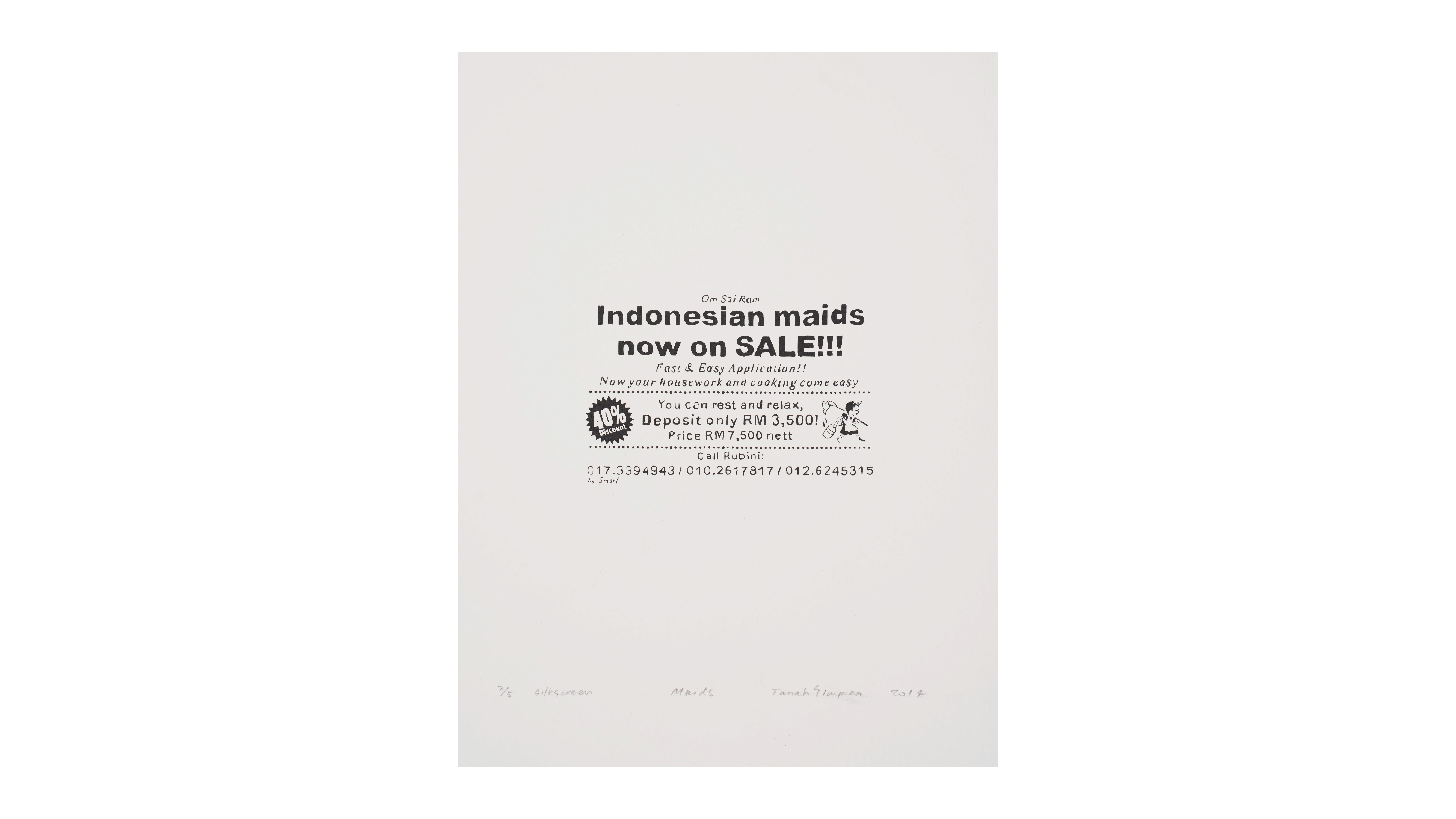
2012 — Indonesian maids on sale

Krack!’s commentary: Many of Indonesia’s foreign workers are young girls lured from remote villages with the promise of a better life in foreign countries. They are famously referred to as “pahlawan devisa,” the heroes of Indonesia’s income. Their dreams are often shattered when they are exploited, abused and, as this advertisement demonstrates, traded like slaves.

The original reference image was posted in public spaces in the Chowkit region, Kuala Lumpur, Malaysia, October 2012. Photo by Anis Hidayah, executive director of Migrant Care.