Five Impressionist Works Visitors Love Discovering at Into the Modern
Explore five Impressionist works that visitors often gravitate towards at Into the Modern, with tips on guided tours and Insider membership perks.
6 min read
Share
Summary
- Highlights visitor-favourite French Impressionist artworks at National Gallery Singapore.
- Offers tips for guided tours, sketches, and photography to enhance your visit
- Perfect for art lovers looking for immersive and educational cultural experiences.
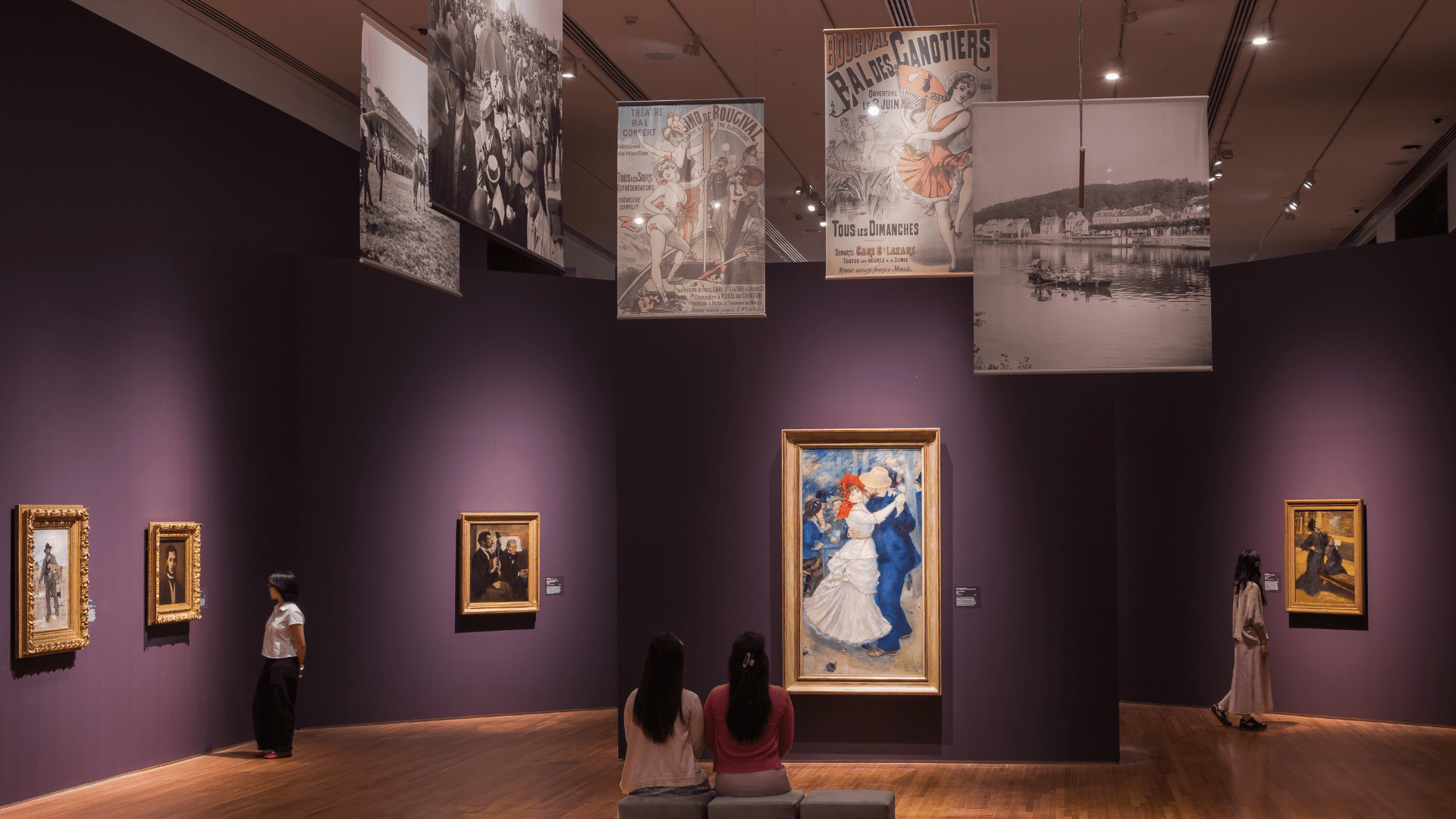
Stepping into Into the Modern: Impressionism from the Museum of Fine Arts, Boston is like stepping into a world in transition, filled with shifting light, changing landscapes, and artists asking bold questions about modern life. This blockbuster exhibition features over 100 French Impressionist works on loan from the Museum of Fine Arts, Boston, exploring the beauty, innovation, and social awareness of Impressionist artists.
Here are five works that visitors often find themselves gravitating towards, along with tips on guided tours and membership perks to help you make the most of your visit.
Edge of the Woods (Plain of Barbizon near Fontainebleau) by Théodore Rousseau
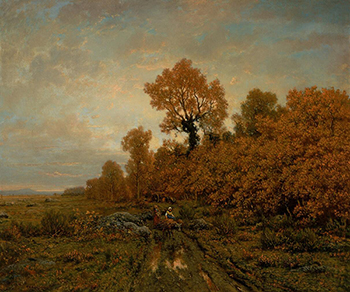
Where to see it: City Hall Wing, Level 3, Singtel Special Exhibition Gallery 3
Drawn to the quiet forests of Fontainebleau, Rousseau worked from observation, favouring autumnal tones of rich greens, russets and browns. In Edge of the Woods, towering trees take centre stage, while the tiny wood gatherers within the landscape suggests human scale in nature. Rousseau’s careful observations to landscape later inspired Claude Monet, helped pave the way for Impressionism’s focus on atmosphere, light, and lived experience.
The Loing at Saint-Mammès by Alfred Sisley
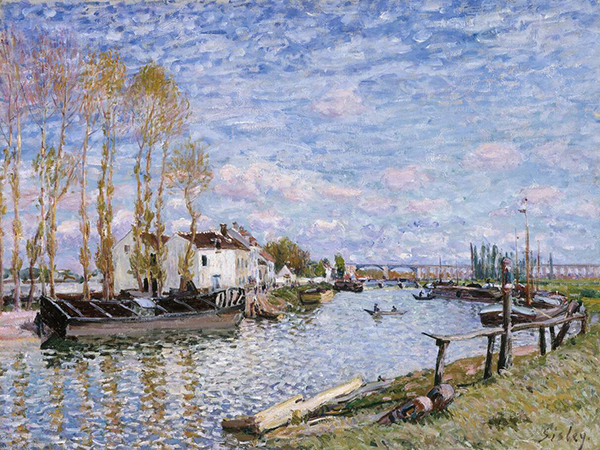
Where to see it: City Hall Wing, Level 3, Singtel Special Exhibition Gallery 2
Alfred Sisley returned again and again to the riverside town of Saint-Mammès, captivated by the Loing River’s shifting colours and reflective surface, and painted nearly 300 scenes of the town. In The Loing at Saint-Mammès, short, detached brushstrokes bring the water to life, capturing light as it ripples across the scene. Look closer and signs of modern life emerge—fishing boats and barges line the banks, while a railway viaduct arches quietly in the distance. It’s a snapshot of 19th-century France in transition, where industry edged into the countryside, yet calm and harmony still prevailed.
White Flowers in a Bowl by Berthe Morisot
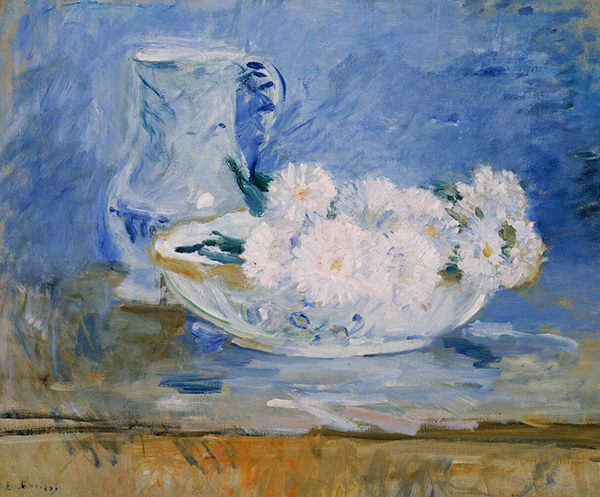
Where to see it: City Hall Wing, Level 3, Singtel Special Exhibition Gallery 1
Berthe Morisot was introduced to the Impressionist circle in 1869 by her friend, mentor and later brother-in-law, Édouard Manet. She quickly became a core member of the group. Unlike Monet or Renoir, she didn’t rely on selling her paintings to earn a living, giving her the freedom to experiment boldly. In White Flowers in a Bowl, loose, sketchy brushstrokes capture the blossoms with grace, demonstrating her technical skill and expressive freedom. Critics sometimes misread her avant-garde technique as incomplete, but Morisot’s work asserts her authority in a male-dominated movement and her lasting influence on Impressionism.
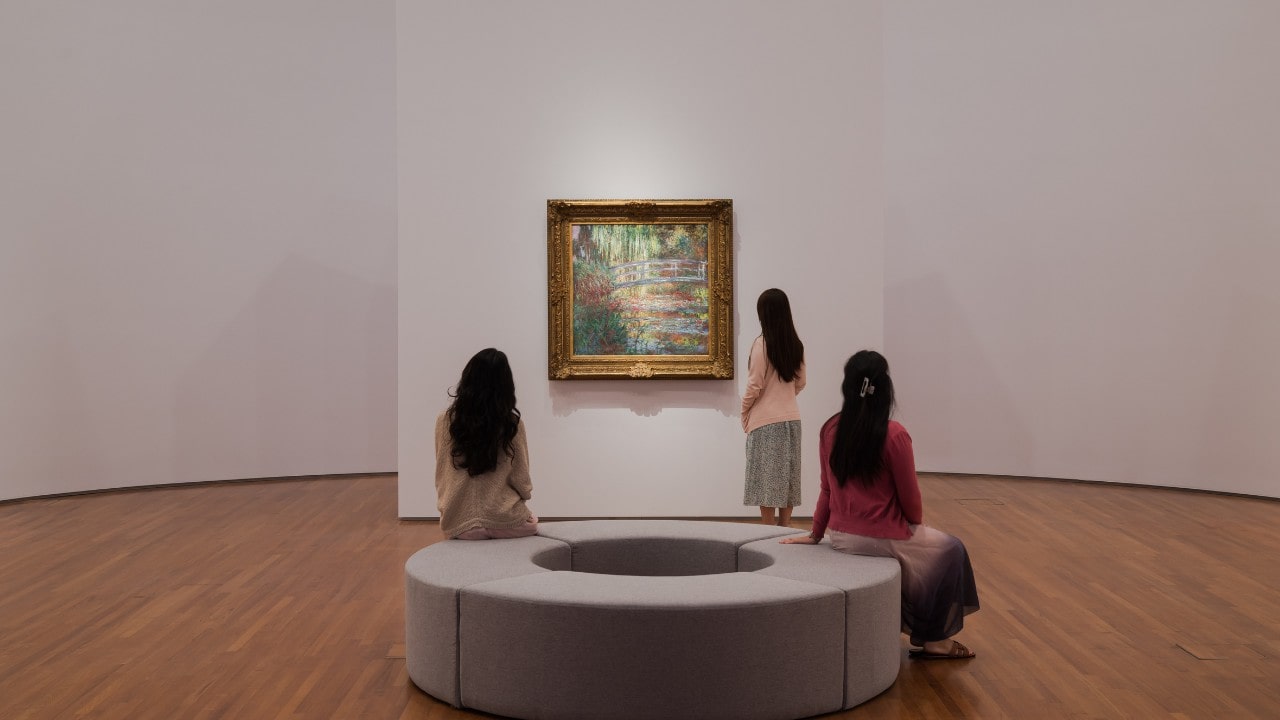
The Water Lily Pond by Claude Monet
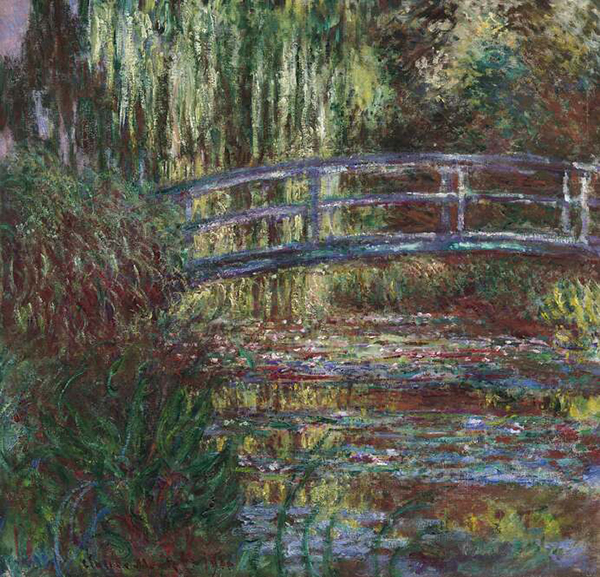
Where to see it: City Hall Wing, Level 3, Singtel Special Exhibition Gallery 1
After settling in Giverny in 1883, Monet created the water garden that would become his lifelong muse, complete with a Japanese-style bridge. The Water Lily Pond is one of a series of views from this garden, highlighting the reflections of densely packed trees on the calm water. Monet nearly omits the surrounding landscape, fusing natural and human-made elements into a harmonious scene. Beneath the arching bridge, lilies float on the surface while willows shimmer in the reflection, capturing the delicate play of light and water that Monet explored in his paintings.
Woman with a Parasol and Small Child on a Sunlit Hillside by Pierre-Auguste Renoir
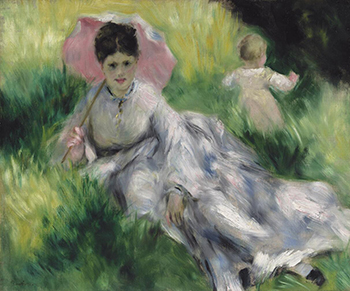
Where to see it: City Hall Wing, Level 3, Singtel Special Exhibition Gallery 3
In this sun-dappled scene, Renoir captures a woman—likely Claude Monet’s wife, Camille—sitting gracefully on a hillside, her white dress kissed by shifting light, while a small child wanders off in the background. Renoir's distinctive feathery brushstrokes give the composition a soft, luminous quality, highlighting the fleeting moments and atmospheres central to Impressionism.
💡 Here’s a tip! Plan for 2–3 hours to fully enjoy the exhibition, including stops for sketches, reflections, and photos. Take your time with lesser-known pieces — they often reveal unexpected stories, techniques, and social context.
Make the most of your visit: Go on a guided tour

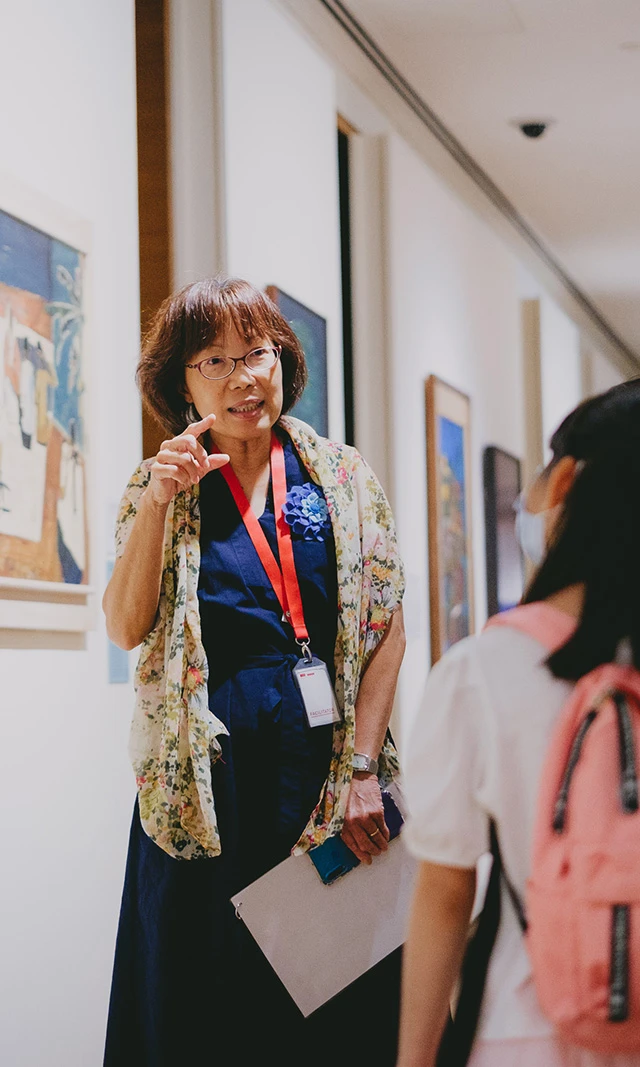
If you’d like to deepen your experience at the Gallery, a guided tour is an excellent way to explore Into the Modern. Led by knowledgeable docents, these tours offer rich storytelling, context and insights that bring the exhibition’s artworks to life — especially helpful for spotting details and nuances you might otherwise miss:
- English-language tours run from Wednesday to Friday at 11am and 3pm, and at 11am on weekends.
- Chinese-language tours are available on Thursday and Friday at 2pm, and at 11.30am on weekends.
Tours are free for Special Exhibition and All Access ticket holders and are on a first-come, first-served basis, making them an easy and enriching way to complement your visit.
Explore guided tours of Into the Modern
Insider membership: Unlimited access and priority tours

For frequent visitors or serious art enthusiasts, the Insider Membership is worth considering. Membership perks include unlimited access to all exhibitions, including Into the Modern: Impressionism from the Museum of Fine Arts, Boston as well as priority access to guided tours.
It’s a smart way to explore the gallery at your own pace, revisit favourite works, and enjoy exclusive benefits. Membership also provides two hours of free parking per visit — perfect if you’re making the gallery part of a day out in the Civic District.
Learn more about Insider membership
Plan your trip
Into the Modern: Impressionism from the Museum of Fine Arts, Boston runs until 1 Mar 2026, and it’s Southeast Asia’s largest gathering of French Impressionist art. The exhibition is a rare opportunity to experience the full scope of Impressionism — beyond Monet and Renoir — in one beautifully curated space.