


1874, THE BIRTH OF IMPRESSIONISM (1874, LA NAISSANCE DE L’IMPRESSIONNISME)
By Julien Johan and Hugues Nancy
France | In French, with English subtitles | 2024 | 90 min | NC16 (Some Nudity)
Singapore Premiere
-
When: 21 Feb 2026, 3pm - Suitable For: Adults, Families, Visitors with accessibility needs, Students and Educators, Young Adults
- Where: National Gallery Singapore, City Hall Wing, Level B1, The Ngee Ann Kongsi Auditorium
- Ticket Information: $10 per pax (Standard), $7 per pax (Concession)
About the Film
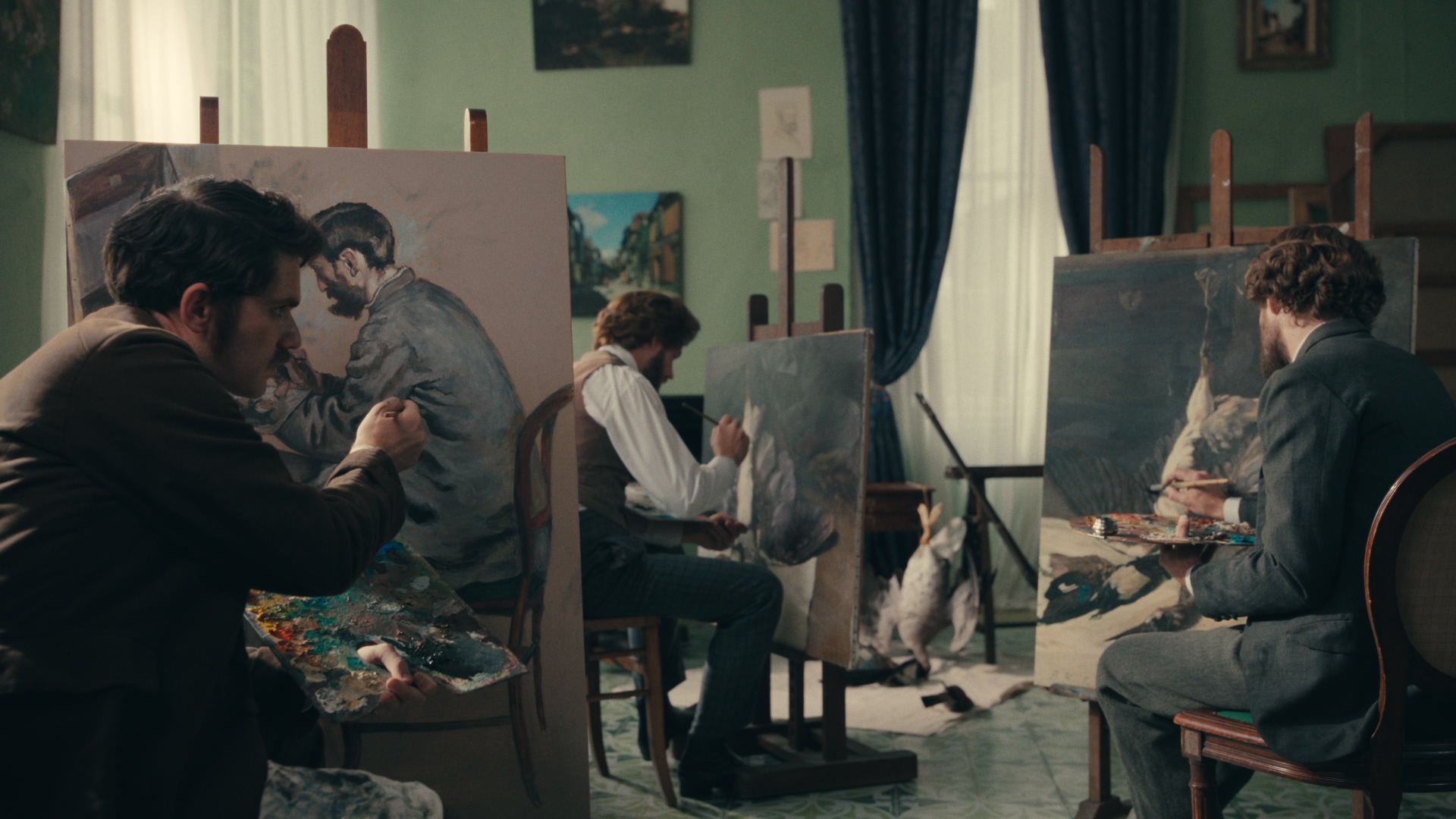
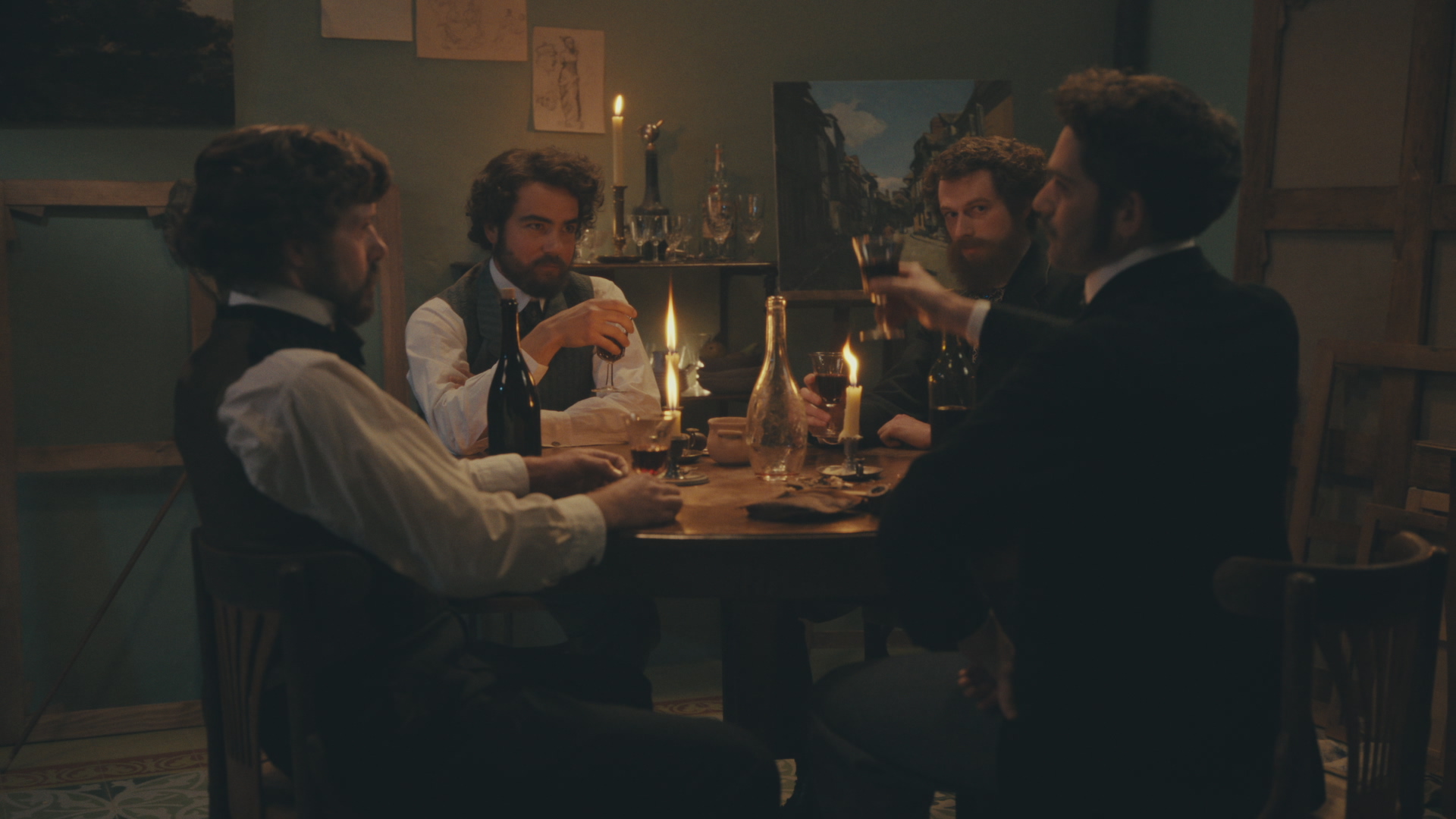
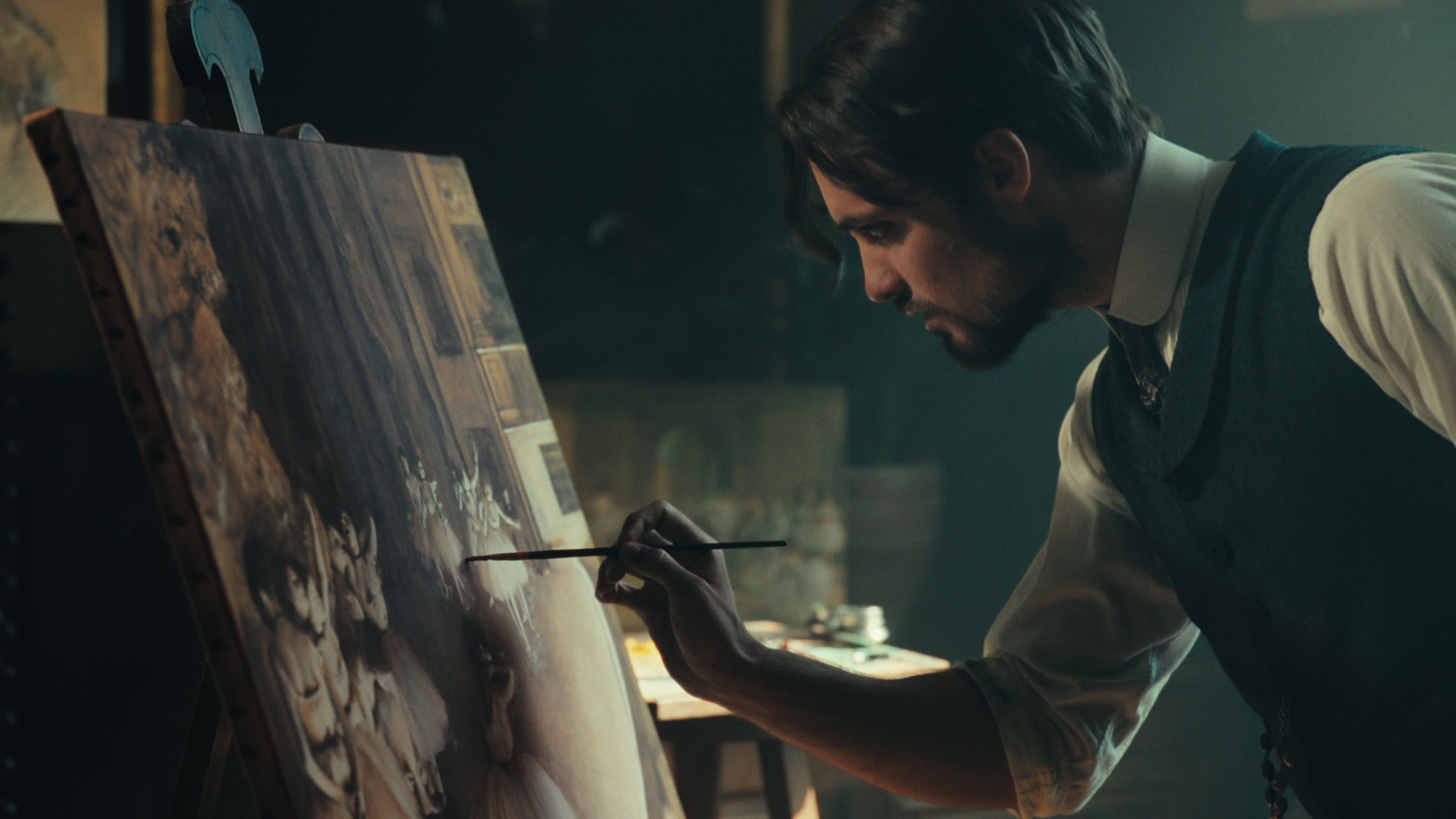
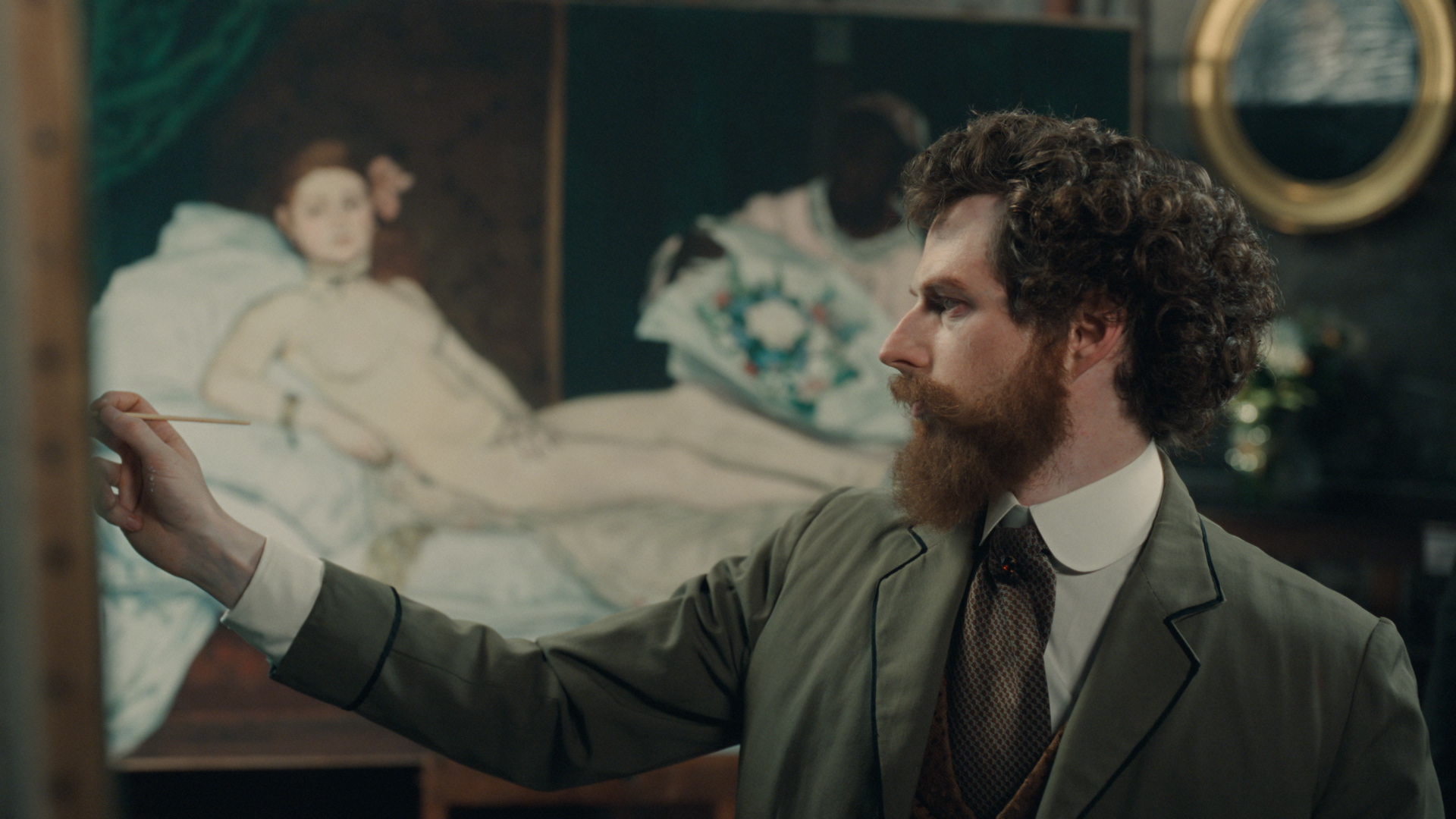
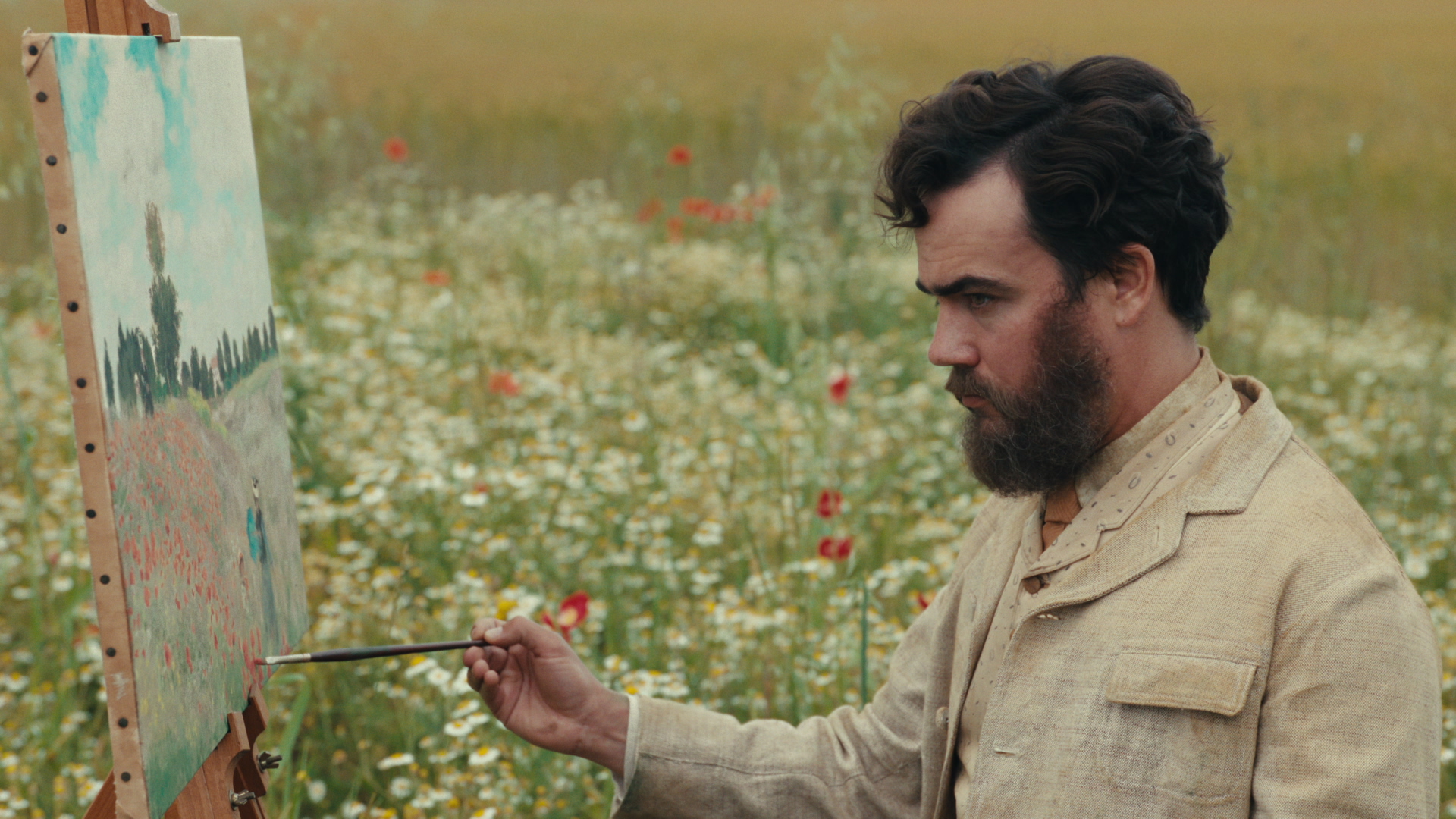
This docudrama chronicles the beginnings of Impressionism by looking at defining moments in the early careers of Claude Monet, Pierre-Auguste Renoir, Alfred Sisley, Camille Pissarro, Paul Cézanne, Edgar Degas, Berthe Morisot, and Édouard Manet. Although these artists had diverse backgrounds and styles, they shared a passion for depicting reality—a truthful rendering of the world around them—by capturing the present moment. Naturally, they formed deep friendships with one another and like-minded others like artists Eugène Boudin and Frédéric Bazille, writers Émile Zola and Charles Baudelaire, art dealer Paul Durand-Ruel, and the Barbizon painters Jean-Baptiste-Camille Corot, Jean-François Millet, and Charles-François Daubigny. The film presents how this mutual support strengthened them in their often lonely ventures, and made collective action possible.
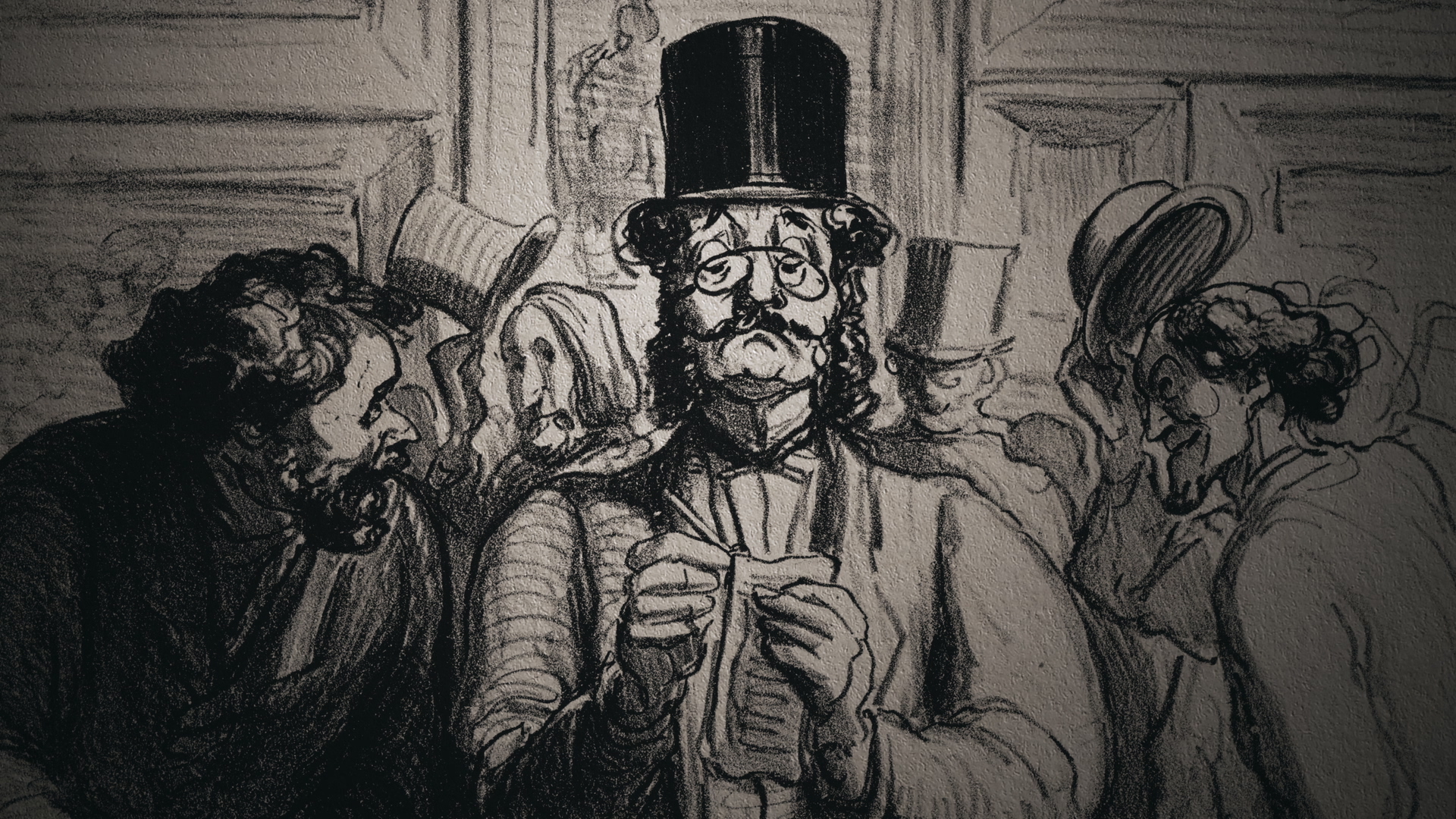
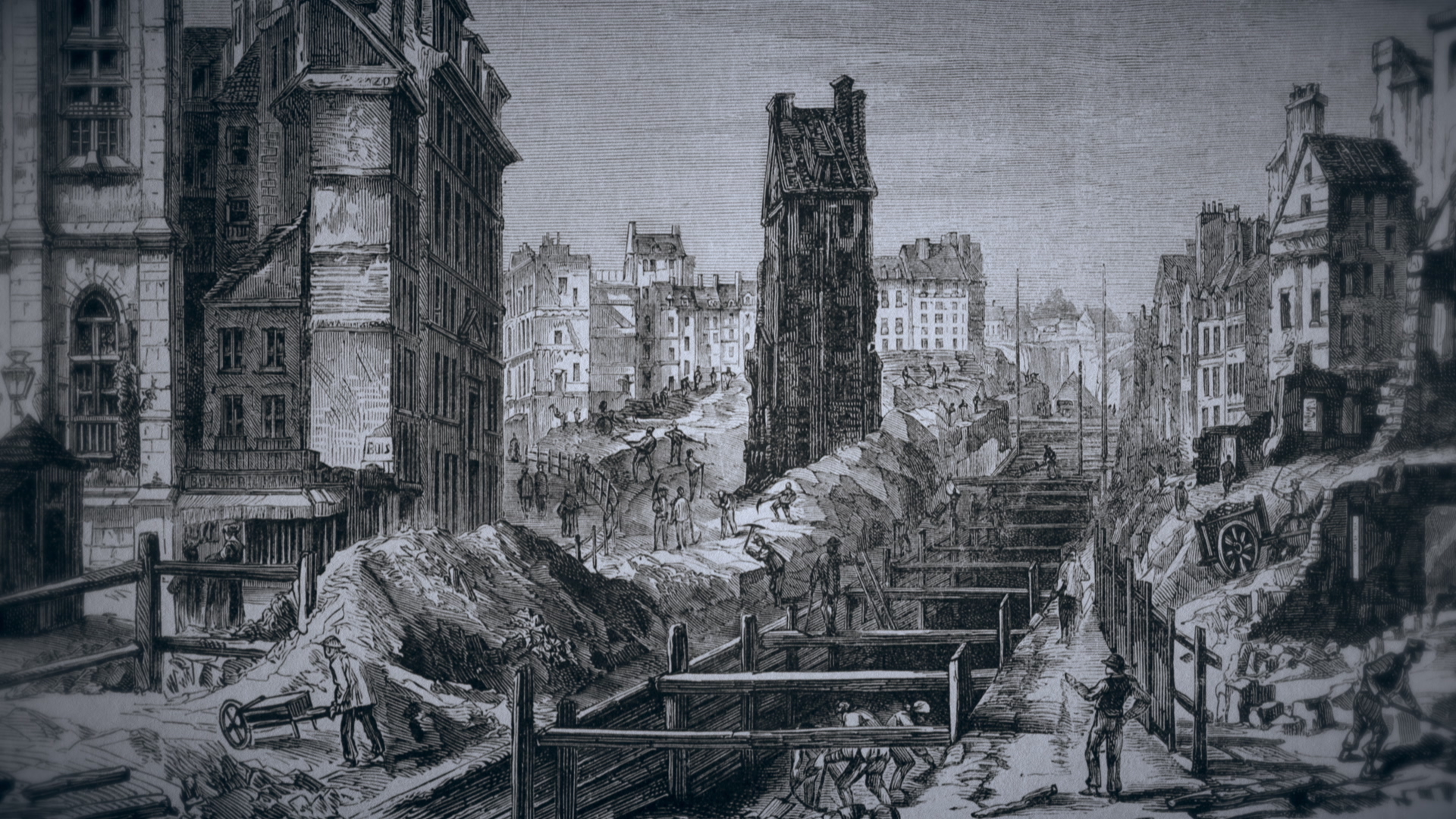
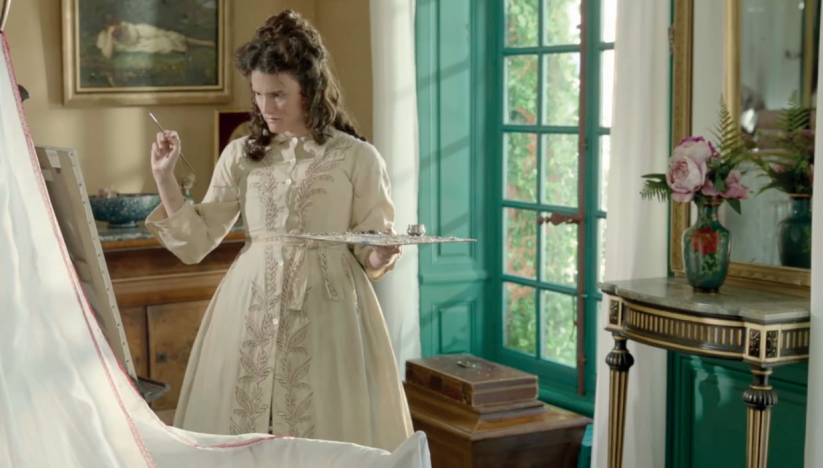
Coupling footage of the paintings with rare archival materials, directors Julien Johan and Hugues Nancy create a portrait of late 19th century France, and the profound changes brought by the advent of modernity that impacted the artists. Although many of them were classically trained, and even had works selected for the annual Paris Salon—the official exhibition of the French Academy of Fine Arts, their avant-garde spirit and modern sensibilities were viewed as a challenge to academic art and strict rules imposed by the powerful Salon jury. It was also a time when it was inconceivable for a woman to embark on a painting career. Berthe Morisot, who had proven her talent with works selected for the Salon, such as The Old Track to Auvers and Study, Water’s Edge, continued to be constrained by gender bias, and was mostly limited to painting at home. Domestic life became the main subject of her works such as The Mother and Sister of the Artist.
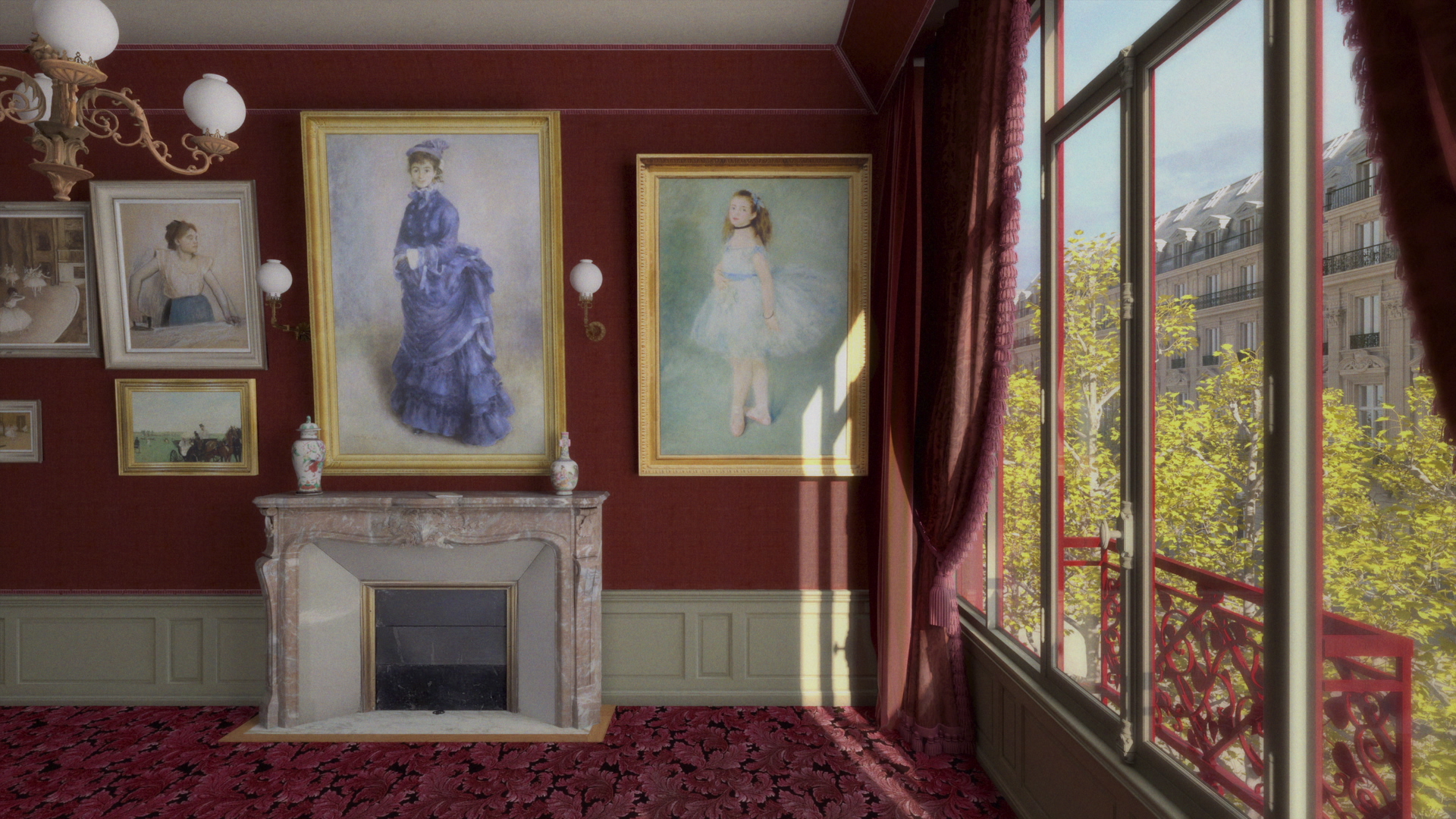
Frustrated by repeated rejections from the Salon jury, the artists decided they had to organise an independent group exhibition, essentially cutting off what was then the predominant way for an artist to gain public recognition or commercial success in France. This inaugural exhibition took place in the spring of 1874 on 35 Boulevard des Capucines, Paris. The film reconstructs for the first time what that exhibition might have looked like, based on extensive study of the catalogue, news articles, and private letters. Ironically, this historic showcase of some 200 works by over 30 artists, many of which are now considered masterpieces, like Renoir’s The Theatre Box, Morisot’s The Cradle, and Degas’ At the Races in the Countryside, was not well received at the time. Monet’s Impression, Sunrise even prompted one contemptuous critic to label the group as ‘Impressionists’. As it happens, what was meant as a derisory epithet became the name of a major movement that changed the course of art history, with a legacy that continues to live on today.
Featured Scenes
Explore More
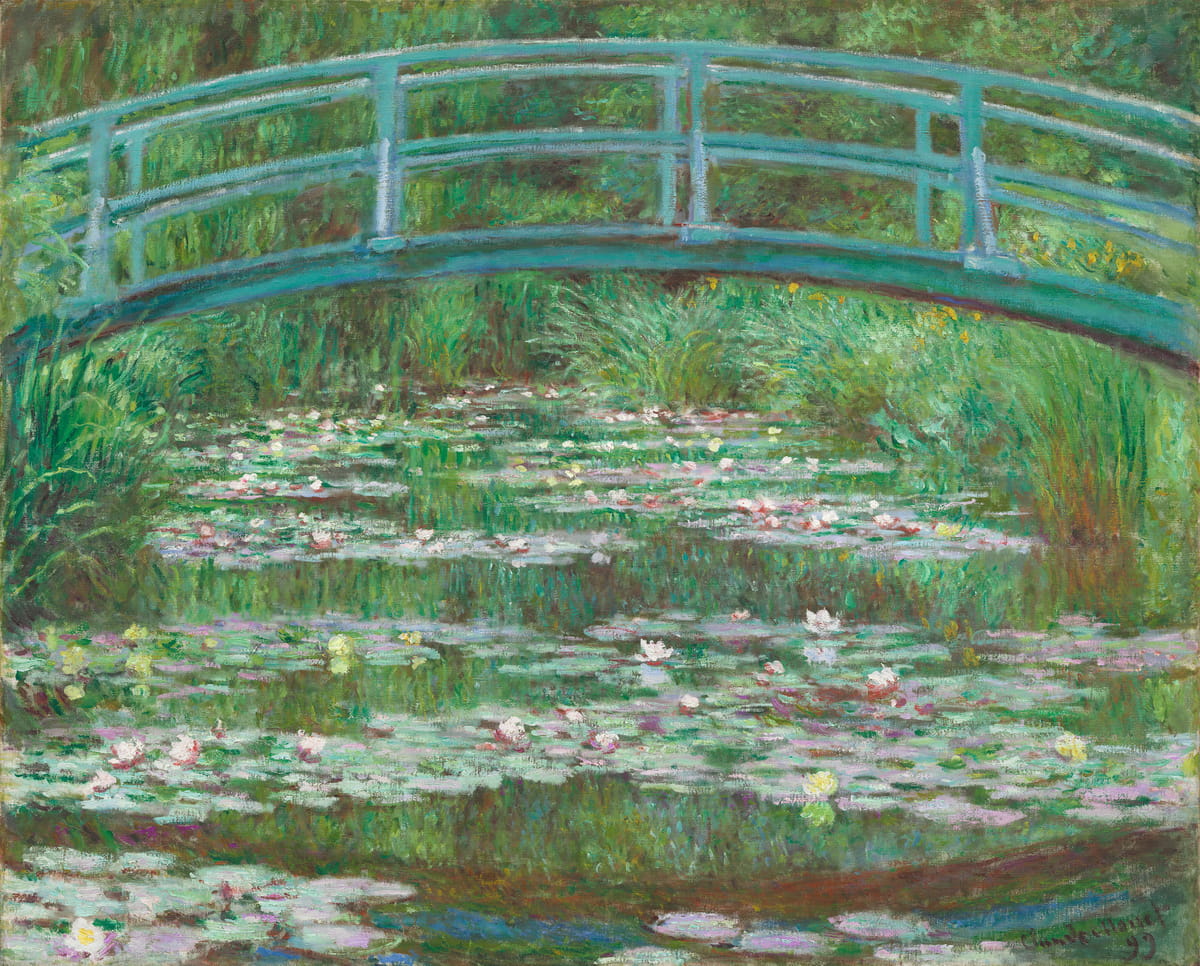
I, Claude Monet
Based on over 3000 letters written by Claude Monet, this biographical film brings to light the rich inner life of the artist who painted Impression, Sunrise, a work that inadvertently gave the Impressionist movement its name.
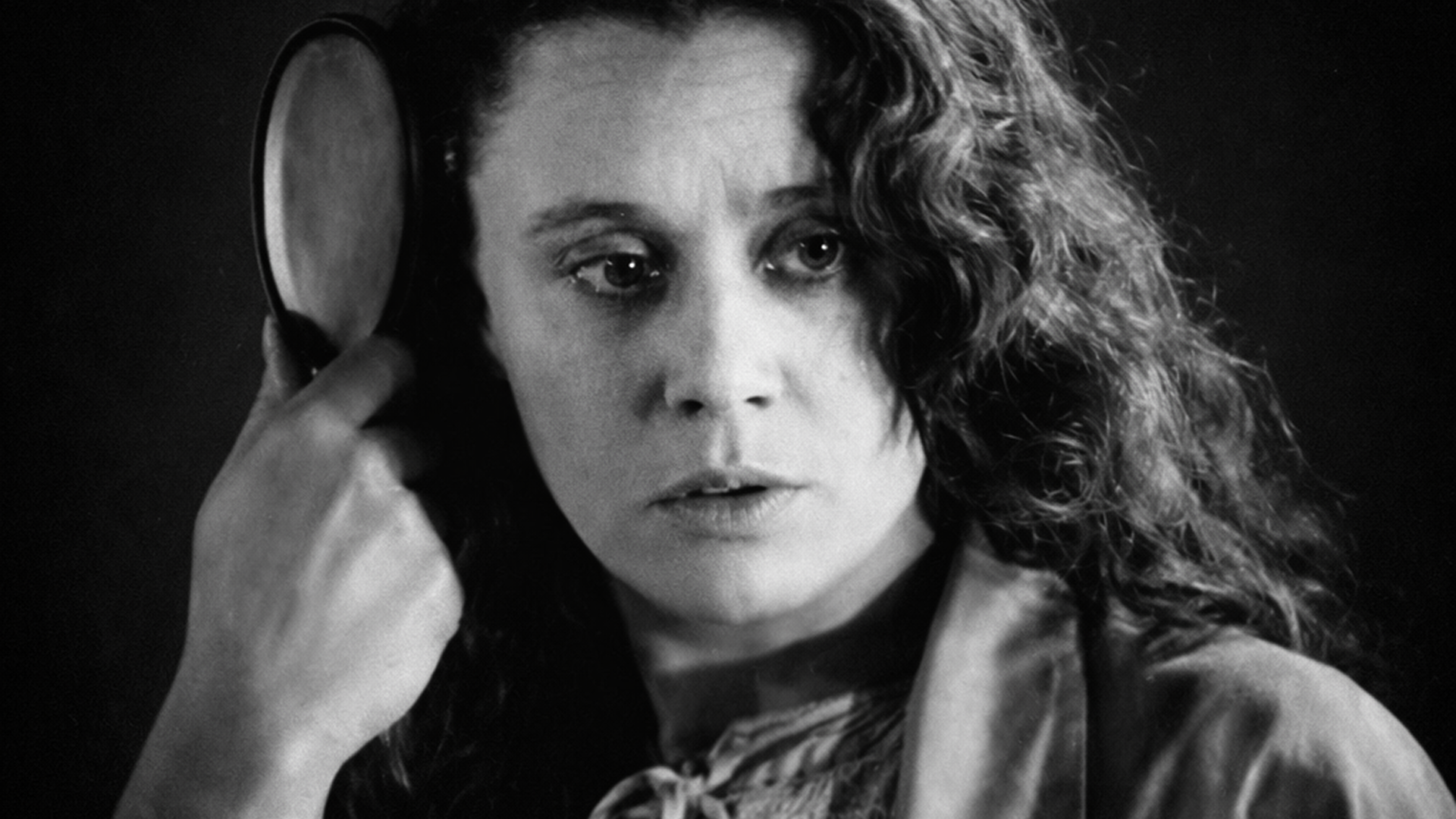
The Smiling Madame Beudet
In 1922, Germaine Dulac made her impressionist film, The Smiling Madame Beudet, about an intellectually curious woman with modern sensibilities who is trapped in an unhappy marriage to a boorish husband. With its focus on the psychological and emotional toll from confinement and domesticity in a petit bourgeois marriage, it is often cited as one of the first truly feminist films.
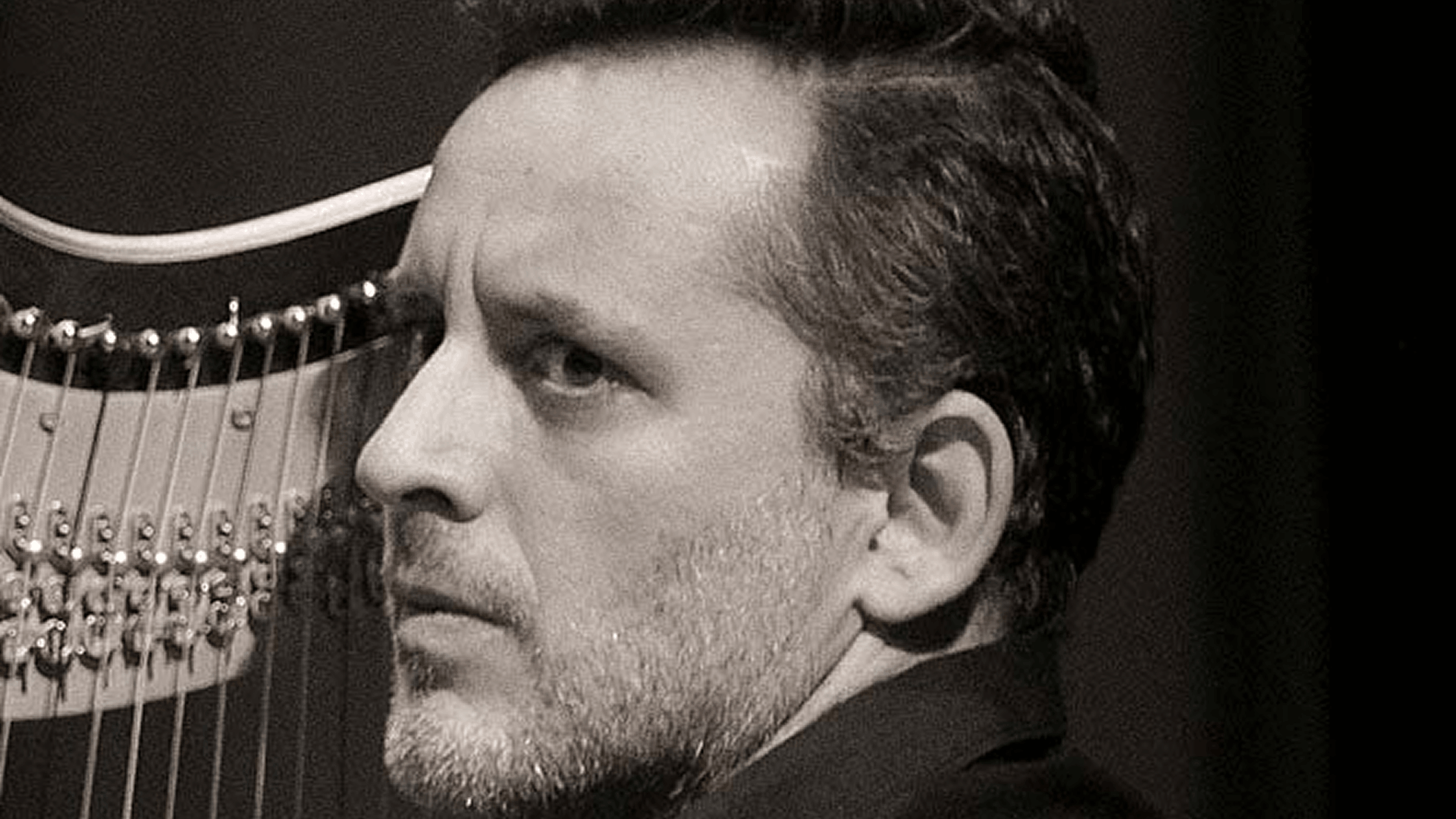
Impressionism in Music: A Harp Recital by Eduardo Raon
In this recital, musician Eduardo Raon will perform an original composition that articulates the Impressionist aesthetic in both pictorial art and music through the harp — an instrument often featured in Debussy and Ravel’s compositions for its ability to create gentle, soft sounds that evoke mood, atmosphere and imagery.