


LA SOURIANTE MADAME BEUDET (THE SMILING MADAME BEUDET)
By Germaine Dulac
France | Silent, with French and German intertitles and English subtitles | 1922 | 37 min 35 sec | PG (Some Violence)
Singapore Premiere
With live music accompaniment by harpist Eduardo Raon
-
When: 22 Feb 2026, 3pm - Suitable For: Adults, Families, Visitors with accessibility needs, Students and Educators, Young Adults
- Where: National Gallery Singapore, City Hall Wing, Level B1, The Ngee Ann Kongsi Auditorium
- Ticket Information: $10 per pax (Standard), $7 per pax (Concession)
About the Film
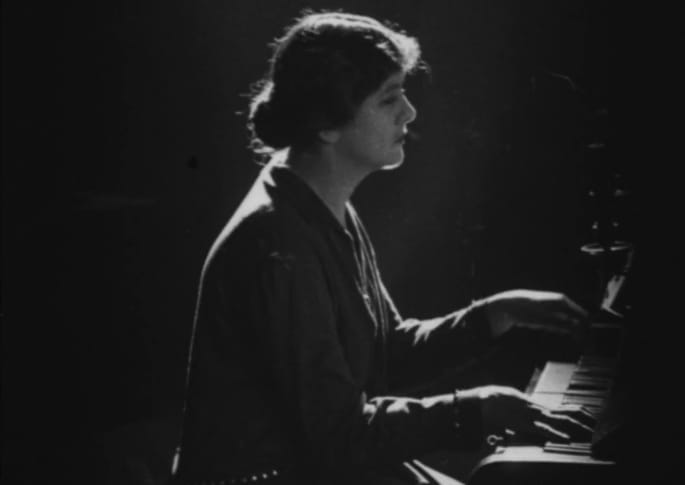
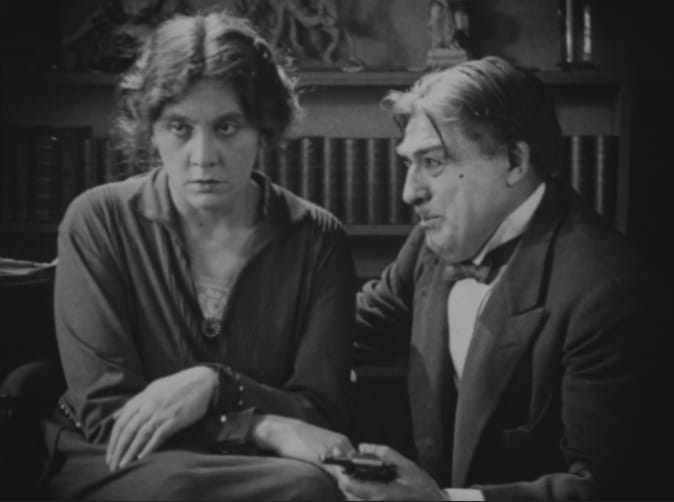
In 1922, Germaine Dulac made her impressionist film, La souriante Madame Beudet (The Smiling Madame Beudet), based on a play of the same name by André Obey and Denys Amiel. It tells the story of Madeleine Beudet, an intellectually curious woman with modern sensibilities who is trapped in an unhappy marriage to a boorish husband. Distressed by his frequent temper tantrums and tasteless jokes about shooting himself, she seeks escape through Claude Debussy’s music, Charles Baudelaire’s poetry, and subscriptions to illustrated magazines on sports and automobiles. She reaches breaking point one day, traumatised by hallucinations of his threatening behaviour, and secretly puts real bullets in his gun, expecting that he would aim it at himself again. As a gag, he fires at her instead, but narrowly misses. Thinking that she had planned to kill herself, he rushes to comfort her, making for a conventional happy ending by all appearances, but for her solemn and dejected demeanour that resists this easy conclusion. With its focus on the psychological and emotional toll from confinement and domesticity in a petit bourgeois union, The Smiling Madame Beudet is often cited as one of the first truly feminist films.
In a 1921 lecture, Dulac compares her approach for another film, La Belle Dame sans merci, with Impressionist painting methods: "Following an Impressionist method, I employed notations. And for an Impressionist painting to come together, one shouldn't show a small parcel of colours, but all colours, and each one separately is such a small touch that we only see its significance in the blending of the ensemble." She goes on to describe her broader cinematic strategy in a similar manner: "Impressionist in the things that it unites in order to create an inner whole, such is my vision of the cinema." This approach is further developed in The Smiling Madame Beudet, where Dulac uses devices such as the dissolve, distorting lenses, and superimposition, as a means of expressing her female protagonist’s psychological states and subjectivity. Each shot is juxtaposed with others to create visual associations that suggest underlying truths (e.g. a close-up of Madame Beudet hands playing the piano is paired with a close-up of Mr Beudet’s hands counting money to convey their incompatibility), reminiscent of the Impressionist artists’ plein air studies, in which they broke with traditional methods in favour of a system of notation. Sketching the scene before them with broad strokes and dabs of paint, they implied the movement of dresses and bodies or the shimmering of water. Viewed as a whole, these studies captured their experience of fleeting moments, not unlike the film insofar as it is presented almost entirely from Madame Beudet's perspective via montage.
With live music accompaniment by harpist Eduardo Raon.
Featured Scenes
Explore More
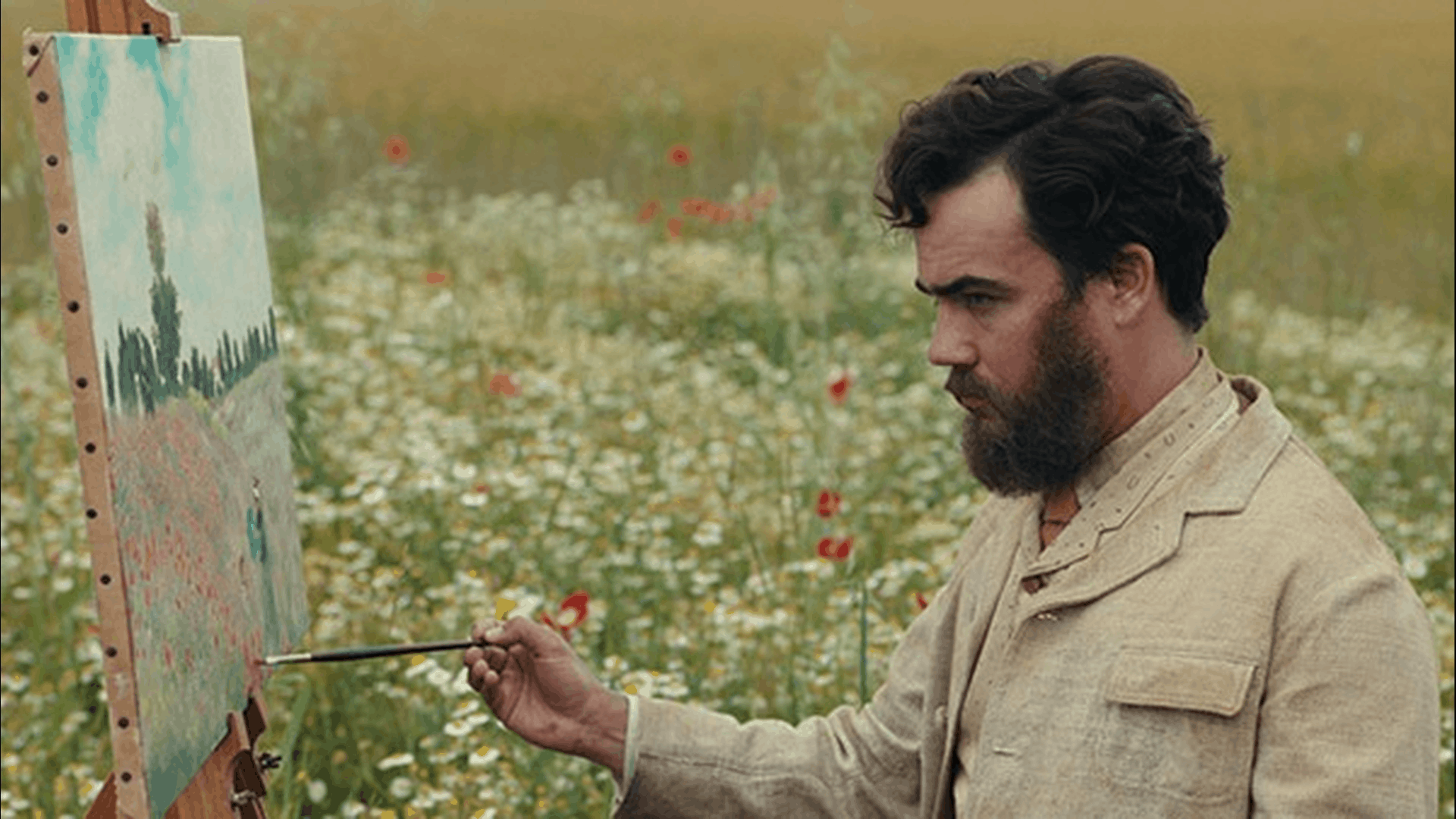
1874, The Birth of Impressionism
This docudrama chronicles the beginnings of Impressionism by looking at defining moments in the early careers of Claude Monet, Pierre-Auguste Renoir, Alfred Sisley, Camille Pissarro, Paul Cézanne, Edgar Degas, Berthe Morisot, and Édouard Manet.
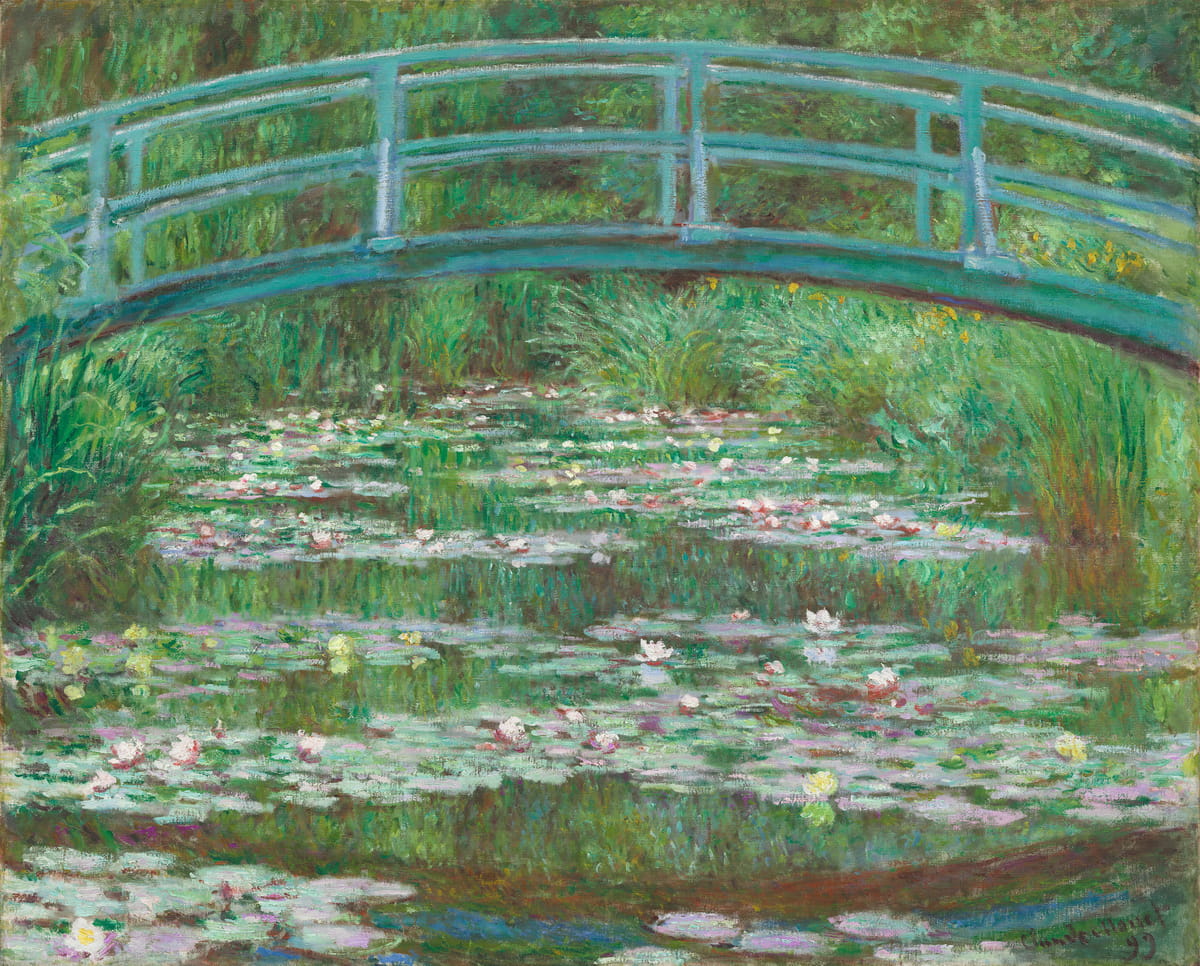
I, Claude Monet
Based on over 3000 letters written by Claude Monet, this biographical film brings to light the rich inner life of the artist who painted Impression, Sunrise, a work that inadvertently gave the Impressionist movement its name.
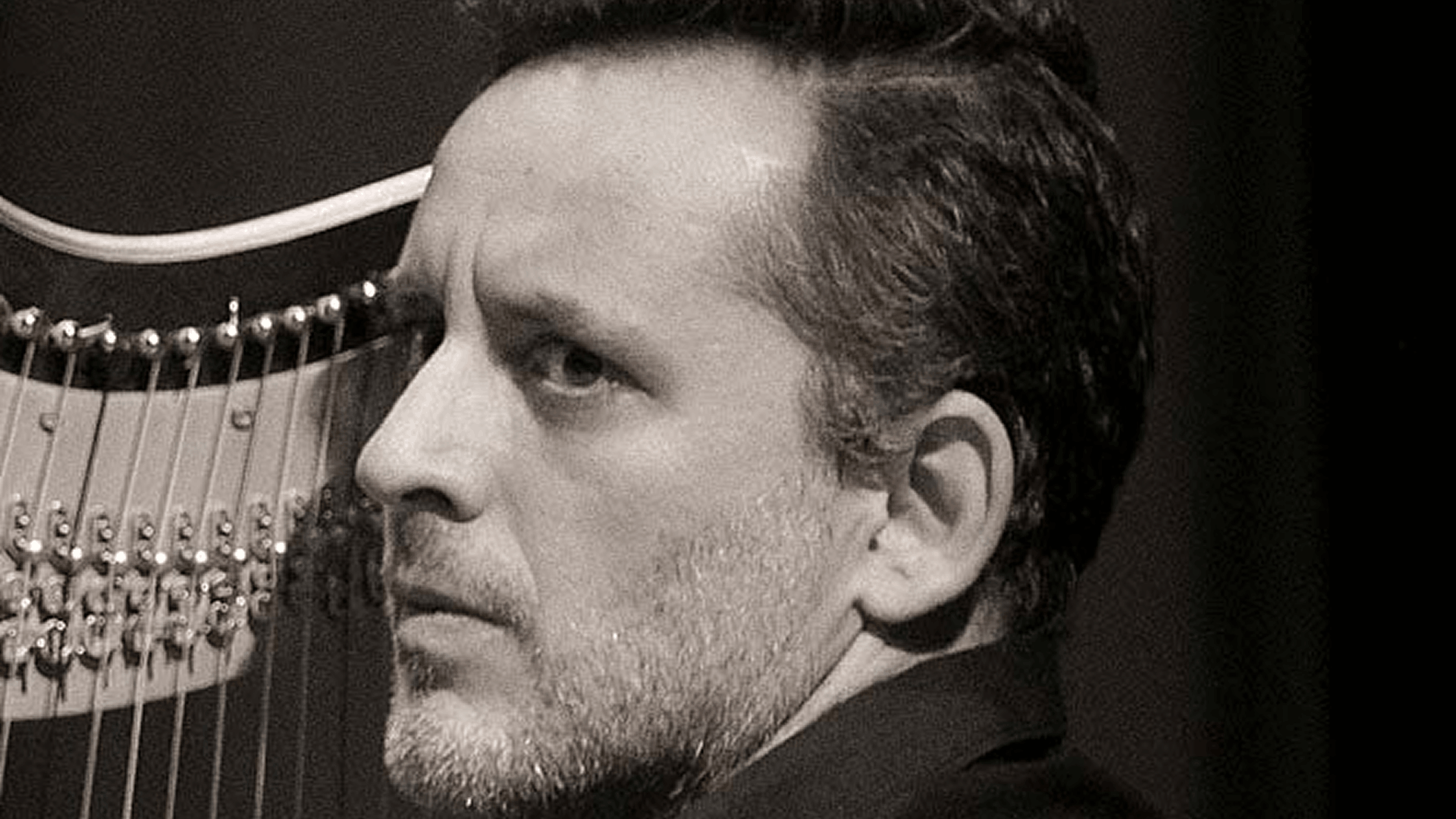
Impressionism in Music: A Harp Recital by Eduardo Raon
In this recital, musician Eduardo Raon will perform an original composition that articulates the Impressionist aesthetic in both pictorial art and music through the harp — an instrument often featured in Debussy and Ravel’s compositions for its ability to create gentle, soft sounds that evoke mood, atmosphere and imagery.