


By Phil Grabsky
United Kingdom | In English | 2023 | 82 min 55 sec | Exempted from Classification
-
When: 21 Feb 2026, 8pm - Suitable For: Adults, Families, Visitors with accessibility needs, Students and Educators, Young Adults
- Where: National Gallery Singapore, City Hall Wing, Level B1, The Ngee Ann Kongsi Auditorium
- Ticket Information: $10 per pax (Standard), $7 per pax (Concession)
About the Film
“I am not a great painter. I only know that I do what I can to convey what I experience before nature, and that most often, in order to succeed in conveying what I feel, I totally forget the most elementary rules of painting, if they exist that is. In short, I let a good many mistakes show through when fixing my sensations. It will always be the same, and this is what makes me despair.”
(Claude Monet, 7 June 1912)
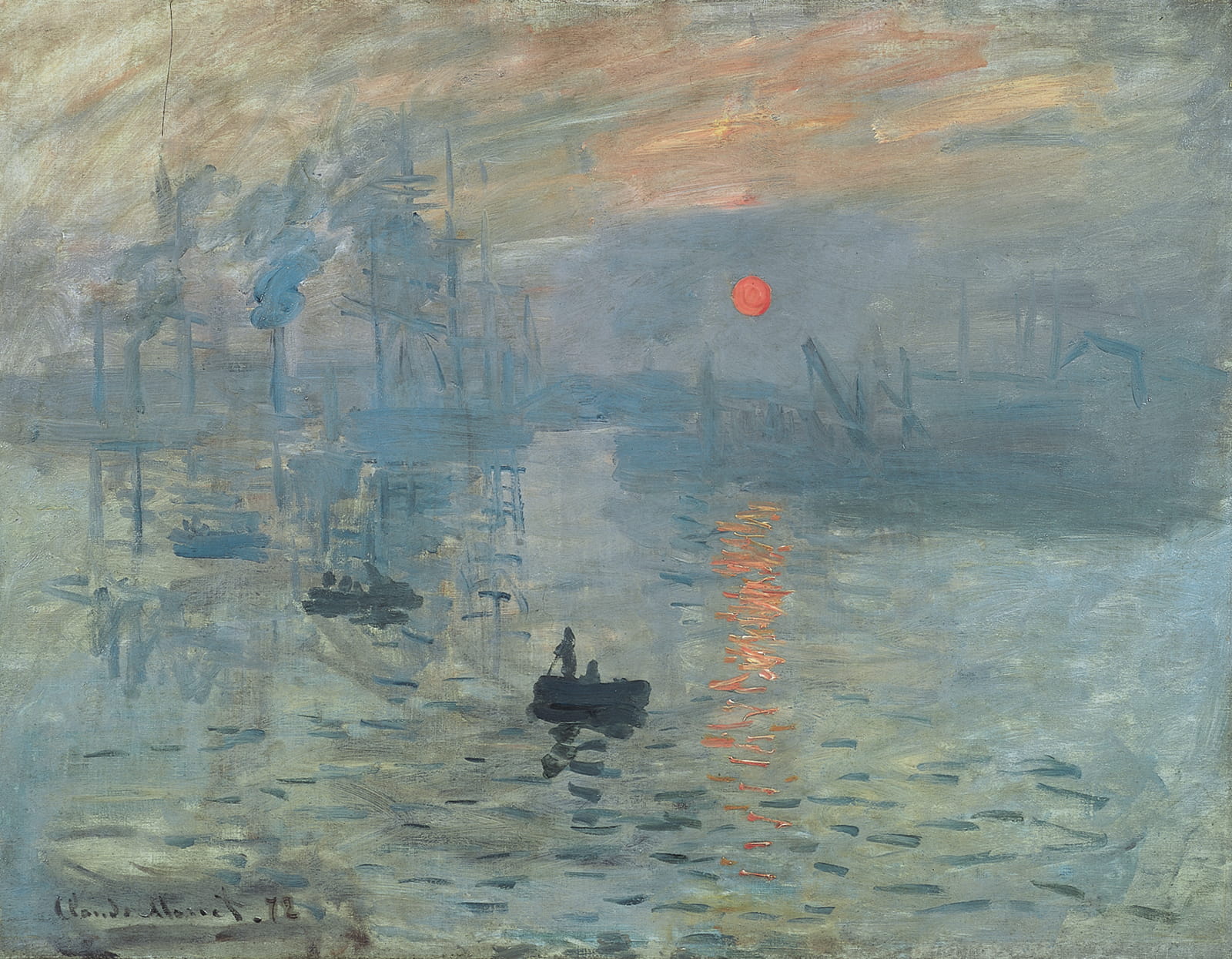
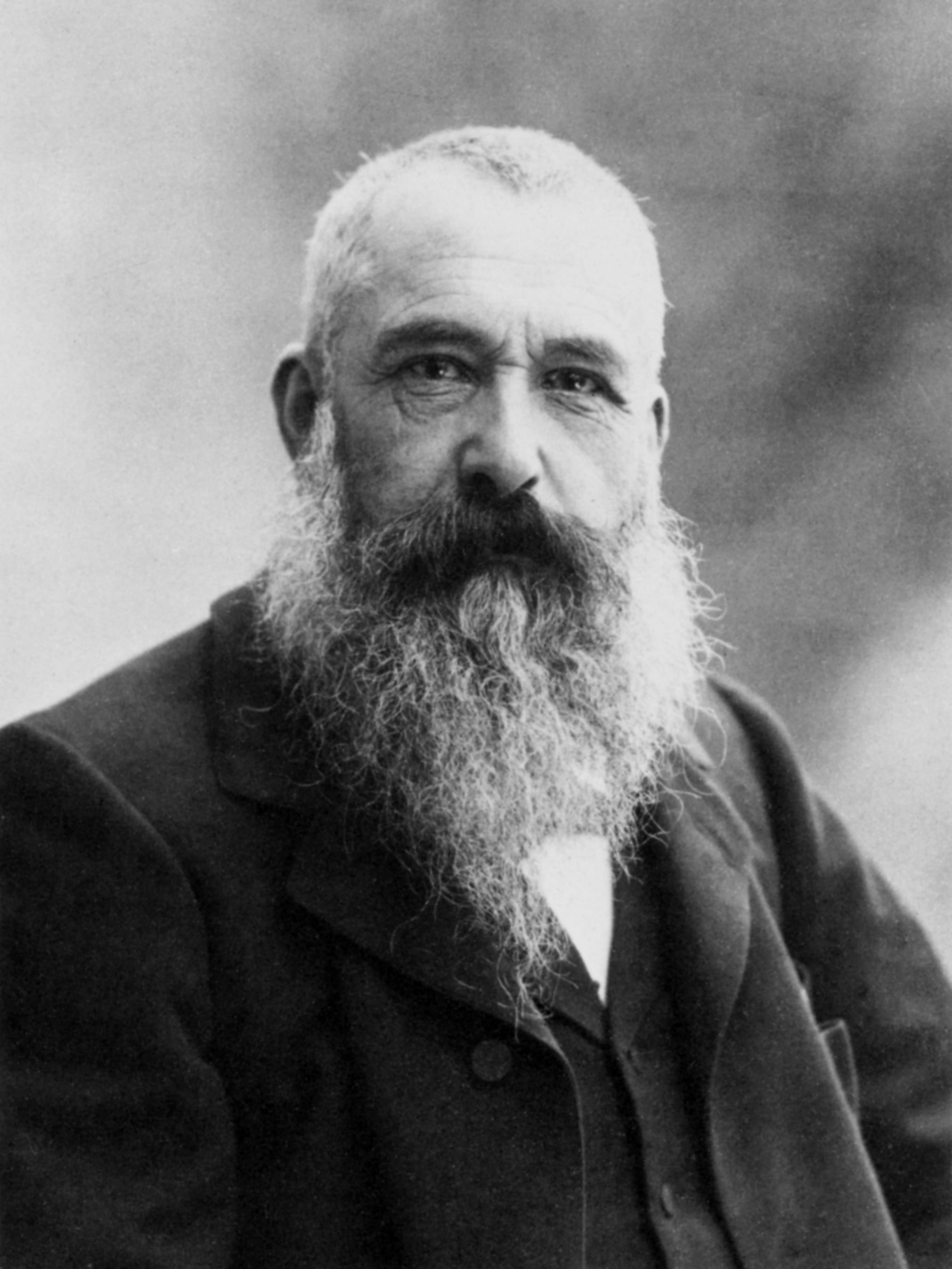
Based on over 3000 letters written by Claude Monet, this biographical film brings to light the rich inner life of the artist who painted Impression, Sunrise, a work that inadvertently gave the Impressionist movement its name. Narrated by acclaimed actor Henry Goodman, these letters surface remarkable encounters with artists he greatly admired—his early influences—such as Eugène Boudin, Constant Troyon, Charles-François Daubigny, and Jean-Baptiste-Camille Corot. They also reveal the depth of his friendships with contemporaries such as Frédéric Bazille, Édouard Manet, Pierre-Auguste Renoir, Berthe Morisot, Edgar Degas, as well art dealer Paul Durand-Ruel, and even the French Prime Minister Georges Clemenceau. His most tender thoughts are found in the correspondence with his wives, Camille Doncieux, then Alice Hoschedé. What emerges is an intimate portrait of a man who suffered intense poverty, depression, and bereavement, but whose passionate pursuit of artistic perfection also brought him profound joy and resulted in an astonishing body of work that established him as one of the most influential and beloved artists in modern art history.
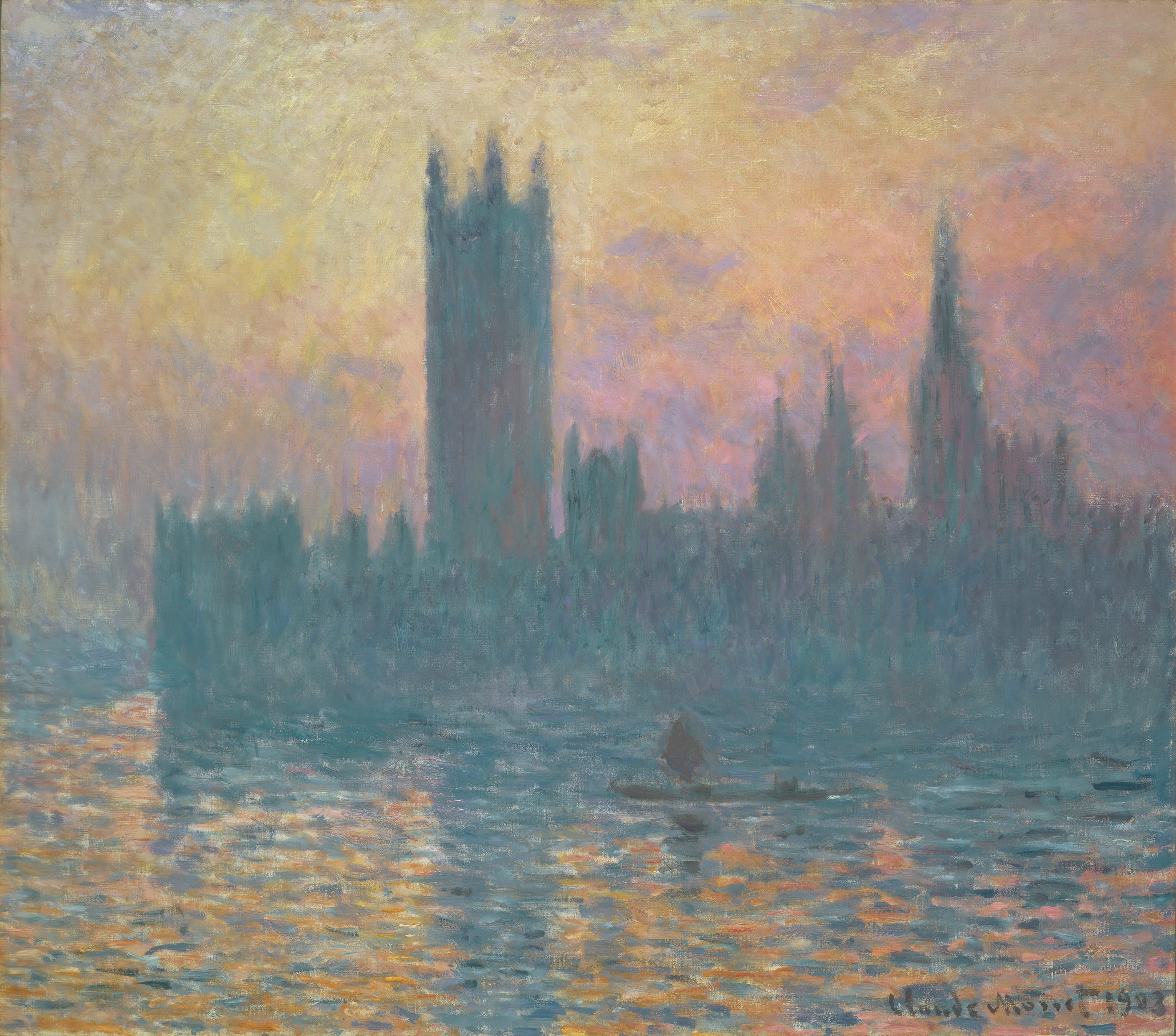
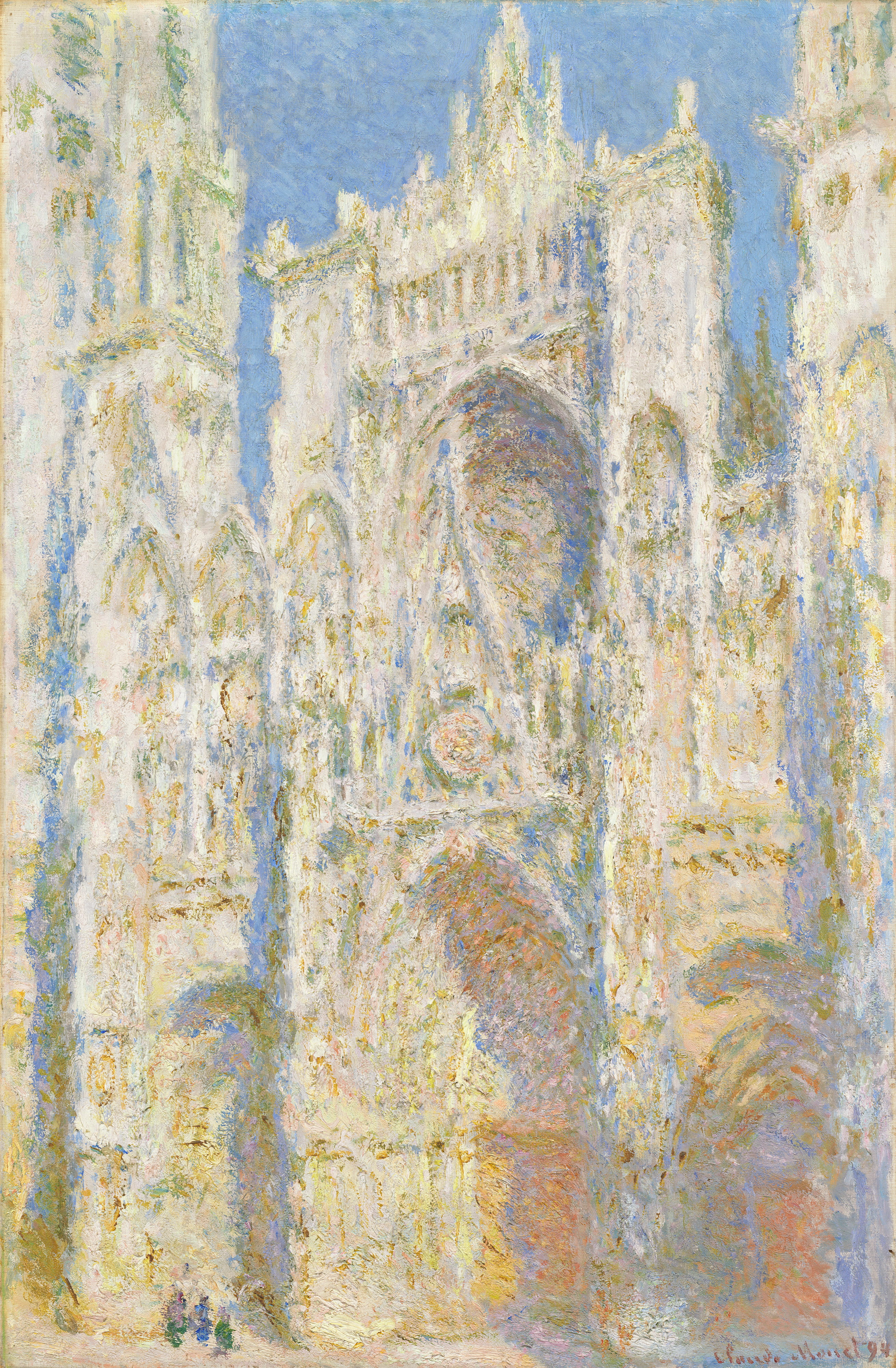
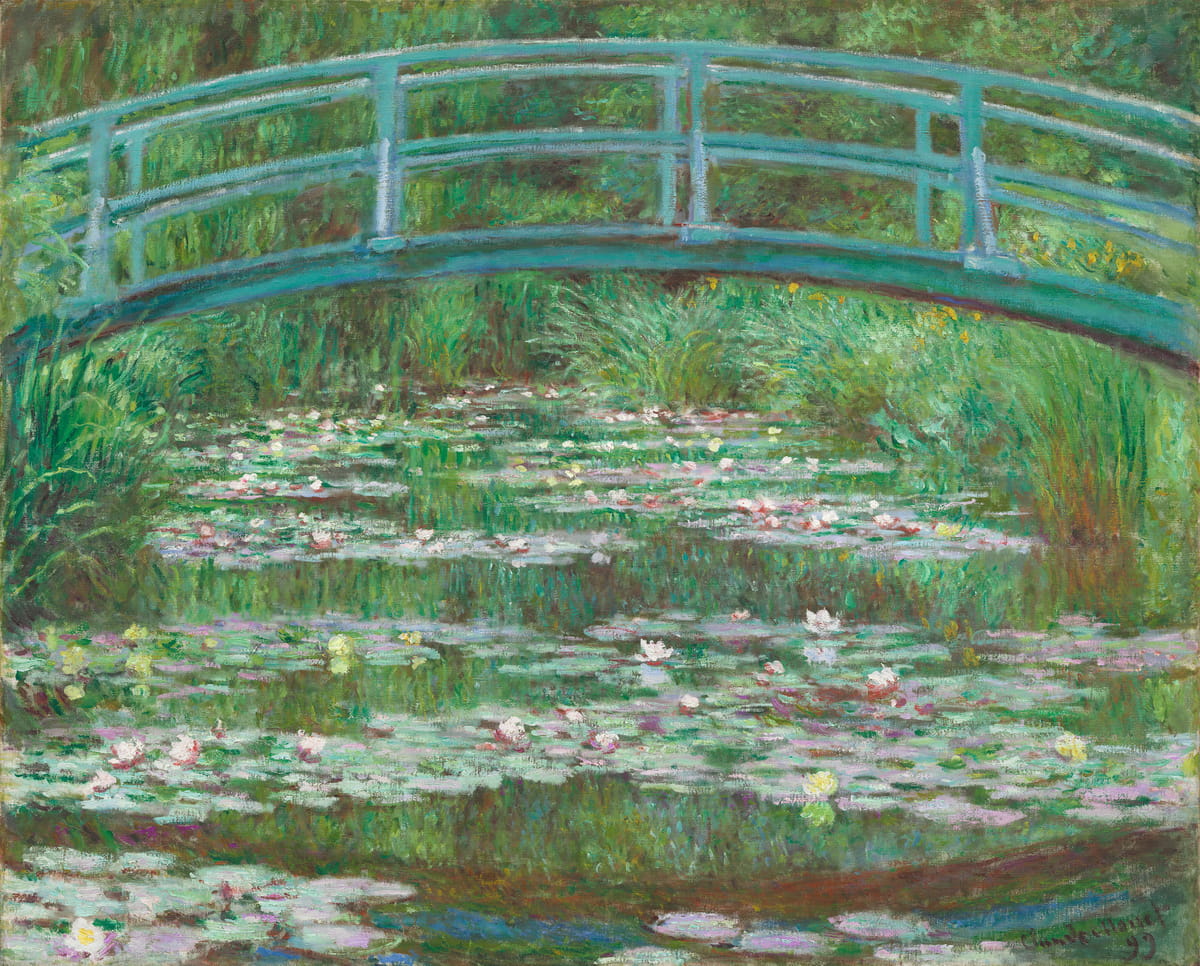
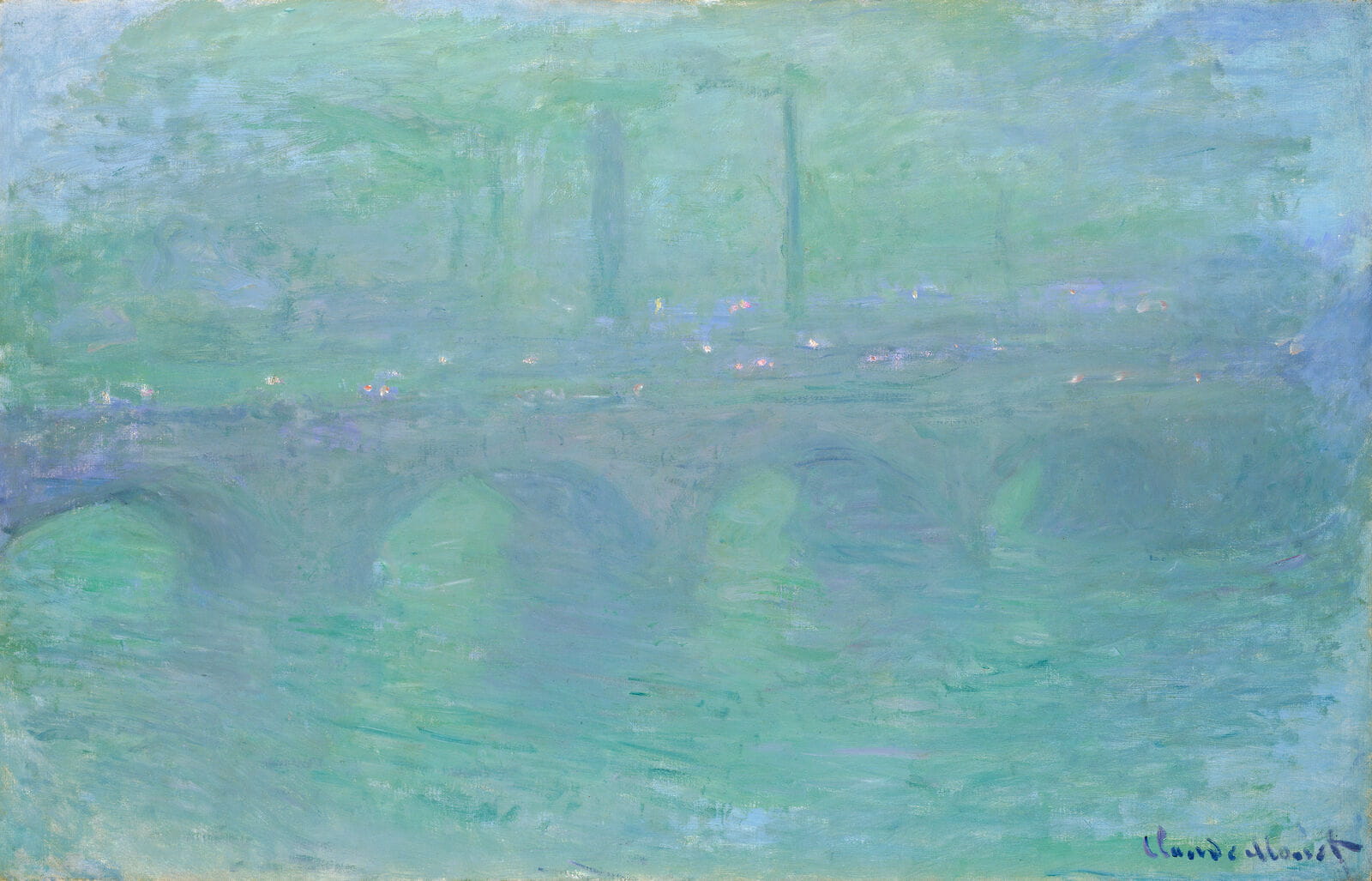
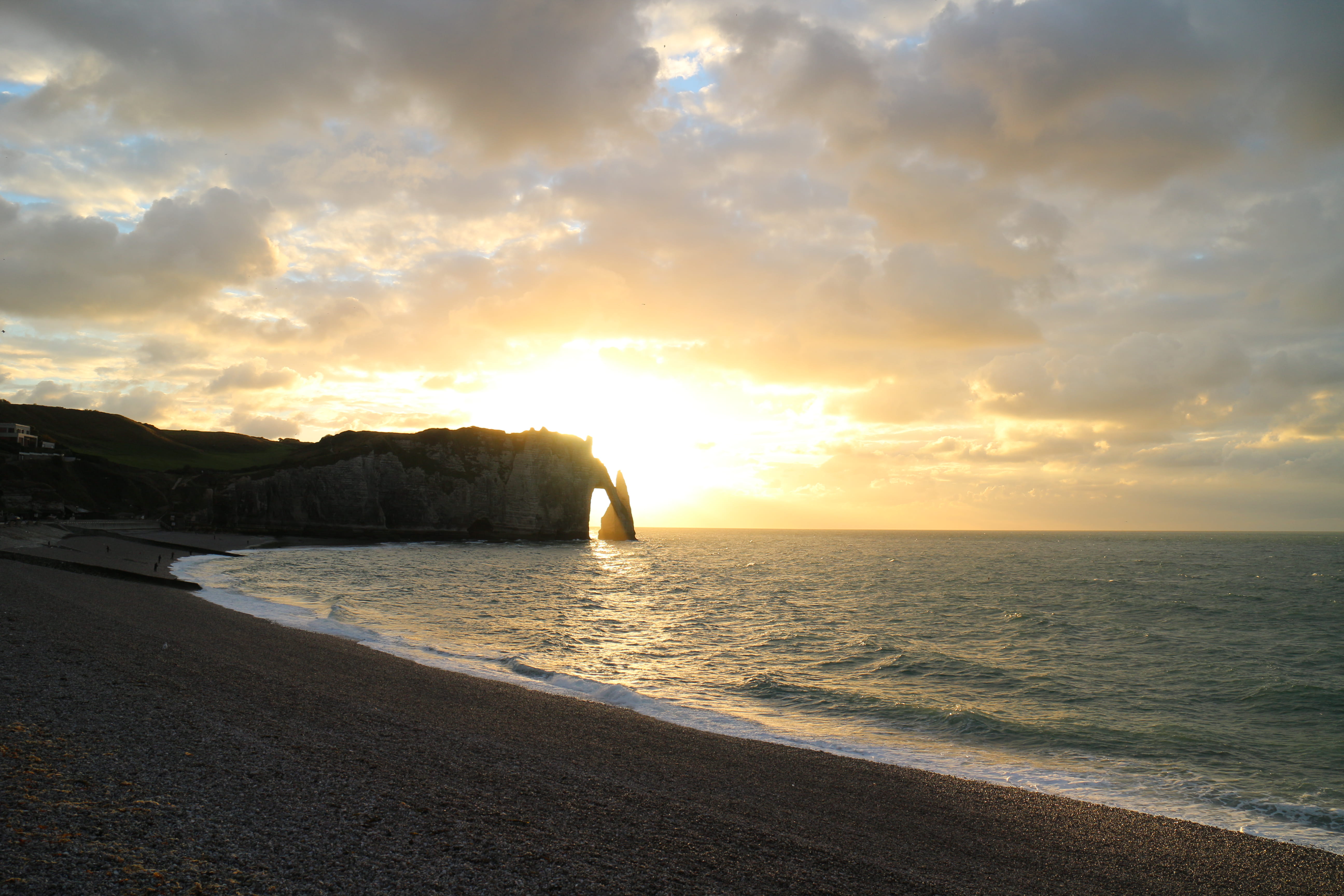
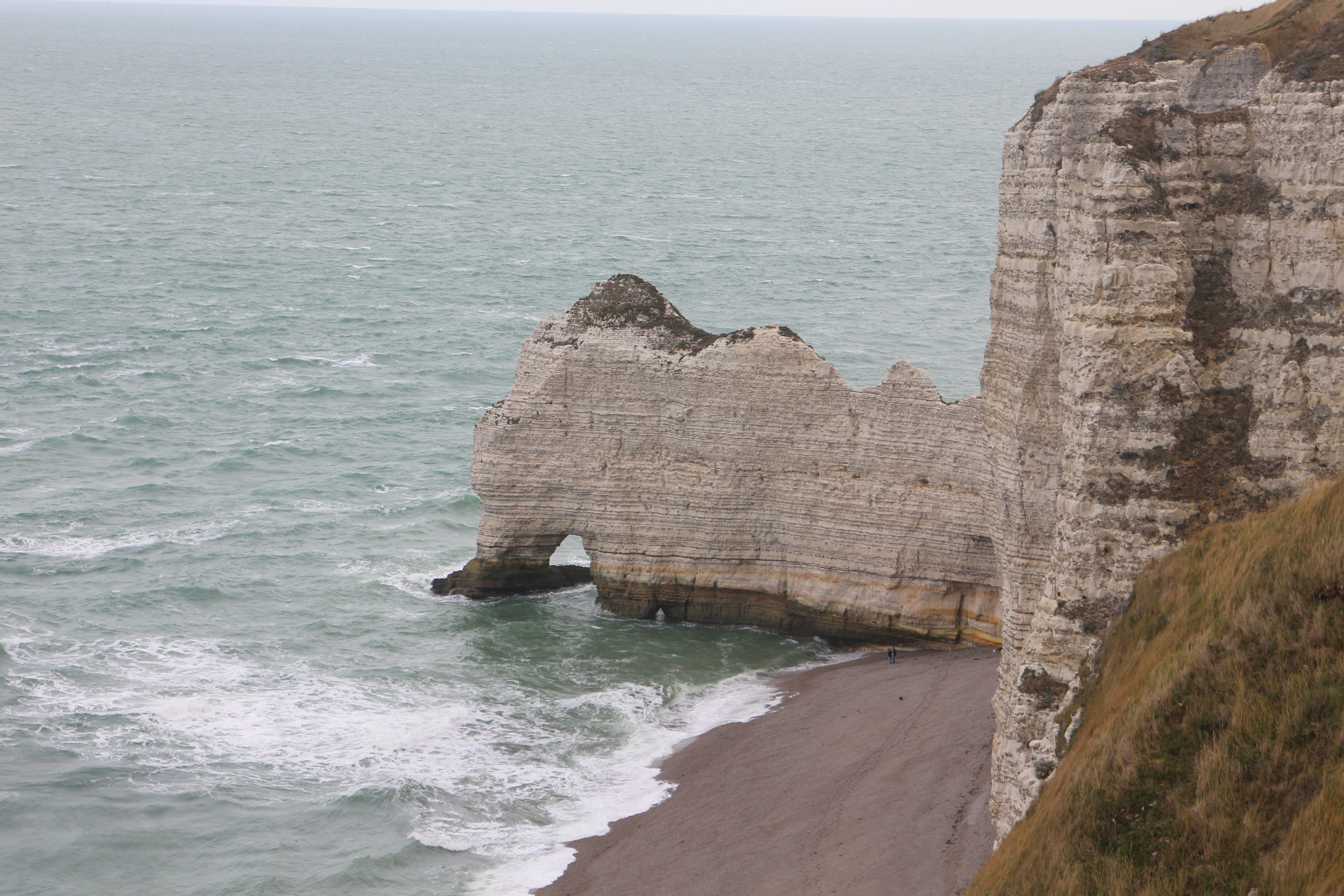
Visually, the narrative marks defining moments in Monet’s journey with on-location shoots at the spots he painted—from Le Havre to Paris, Rouen to London, Venice to Giverny—and footage of over a hundred artworks from different periods in his career drawn from museum, archive and private collections all over the world. These works include caricatures he made in his early years like Caricature of Léon Manchon (c. 1858), The Woman in a Green Dress (Camille) (1866) which was accepted for the Paris Salon that year, and his contribution to the Impressionists’ first exhibition in 1874, Impression, Sunrise (1872). Other outstanding works include Poppies at Argenteuil (1873), Boulevard des Capucines (1873), Camille Monet on her Deathbed (1879), The Cliffs at Etretat (1885), Grainstack at Sunset (1891), The Portal and the Tour d’Albane in Sunlight (1892), The Japanese Footbridge at Giverny (1895), The Houses of Parliament, Sunset (1903), Waterloo Bridge, London at Dusk (1904), Venice at Dusk (1908), and his Water Lilies cycle which formed the grandes décorations that he donated to the state in 1922, for exhibition at the Musée de l'Orangerie.
Post-screening dialogue with exhibition curator Celine Ho, moderated by Andreina Aveledo
Featured Scenes
Explore More
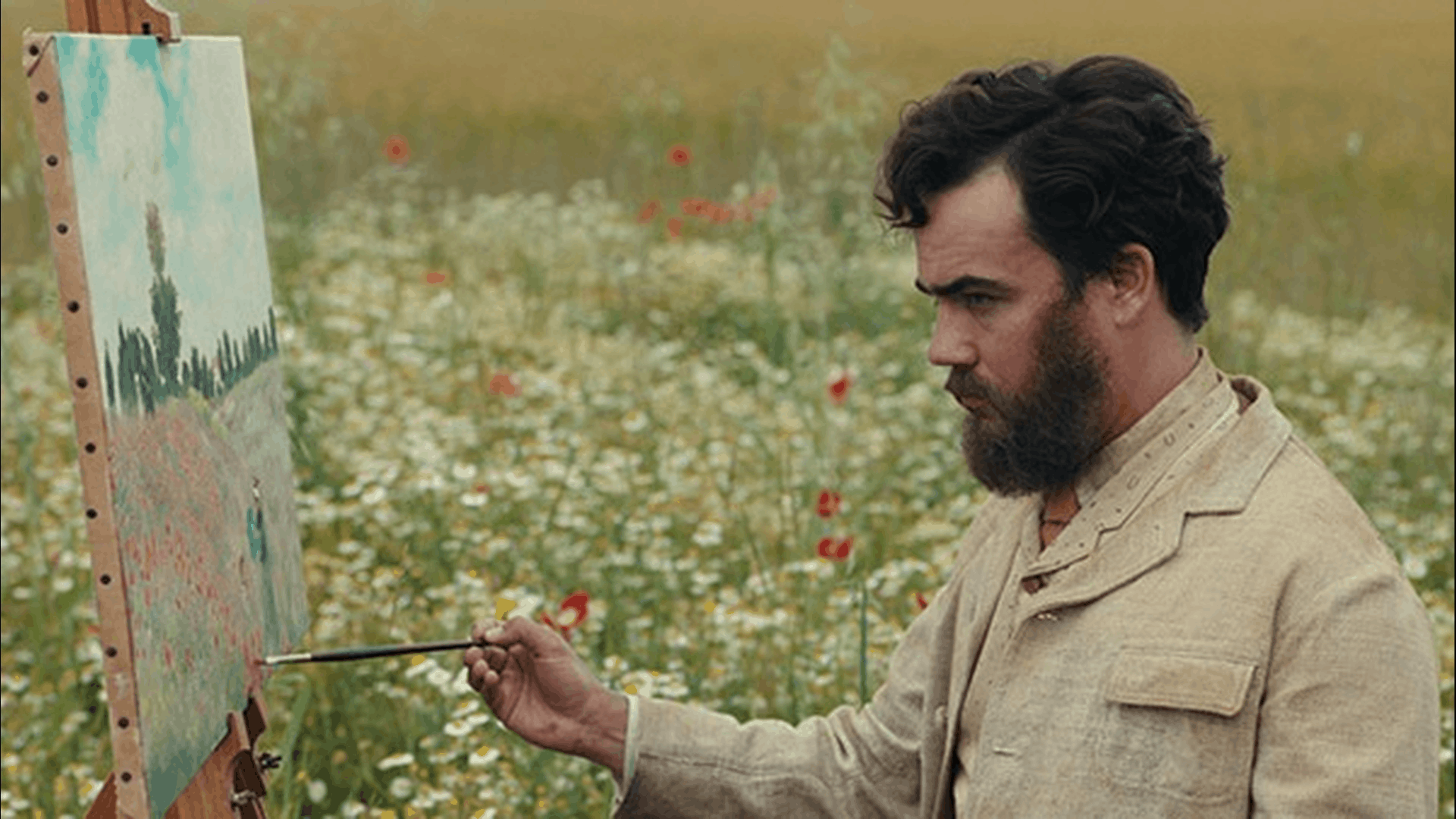
1874, The Birth of Impressionism
This docudrama chronicles the beginnings of Impressionism by looking at defining moments in the early careers of Claude Monet, Pierre-Auguste Renoir, Alfred Sisley, Camille Pissarro, Paul Cézanne, Edgar Degas, Berthe Morisot, and Édouard Manet.
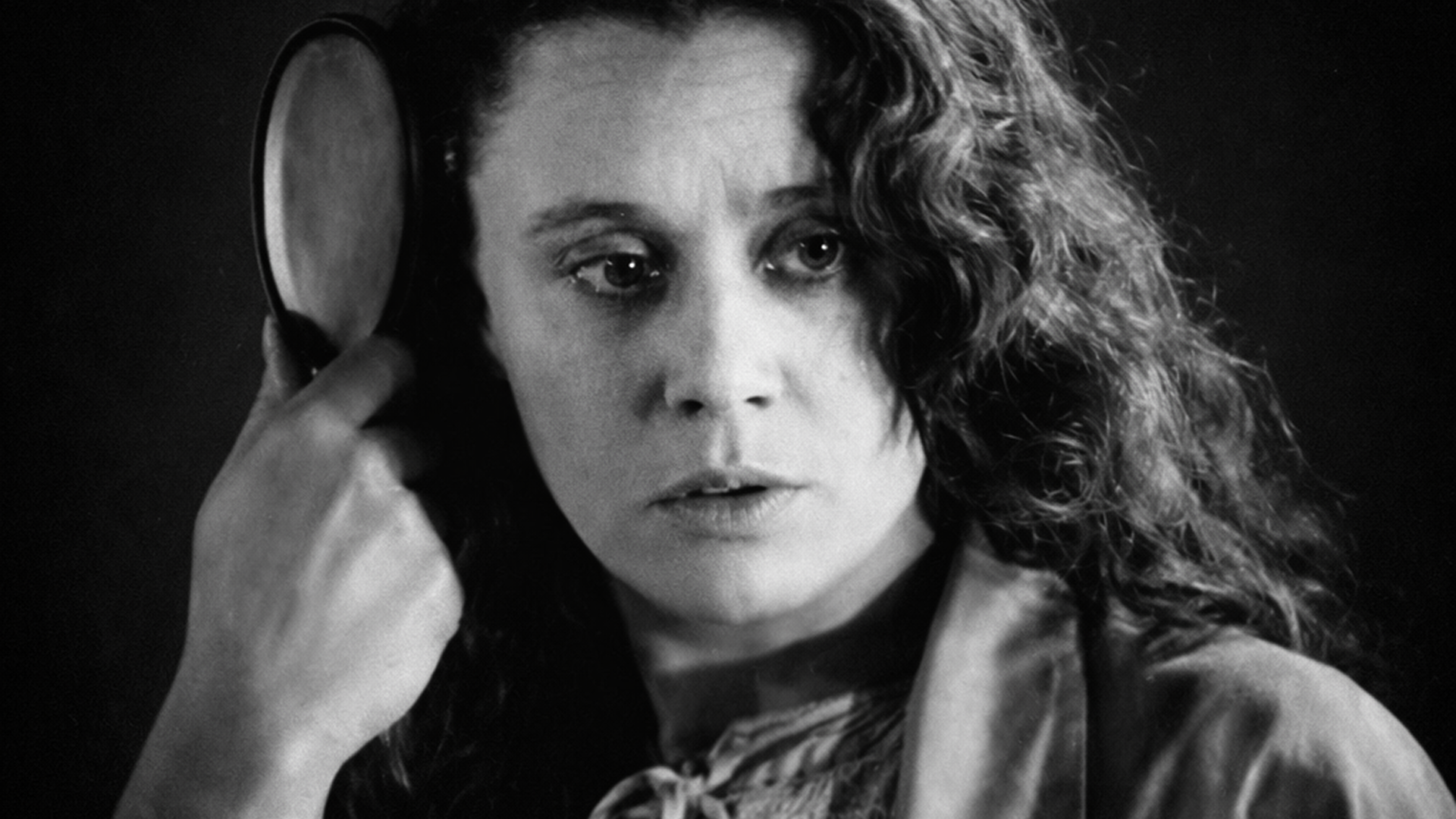
The Smiling Madame Beudet
In 1922, Germaine Dulac made her impressionist film, The Smiling Madame Beudet, about an intellectually curious woman with modern sensibilities who is trapped in an unhappy marriage to a boorish husband. With its focus on the psychological and emotional toll from confinement and domesticity in a petit bourgeois marriage, it is often cited as one of the first truly feminist films.
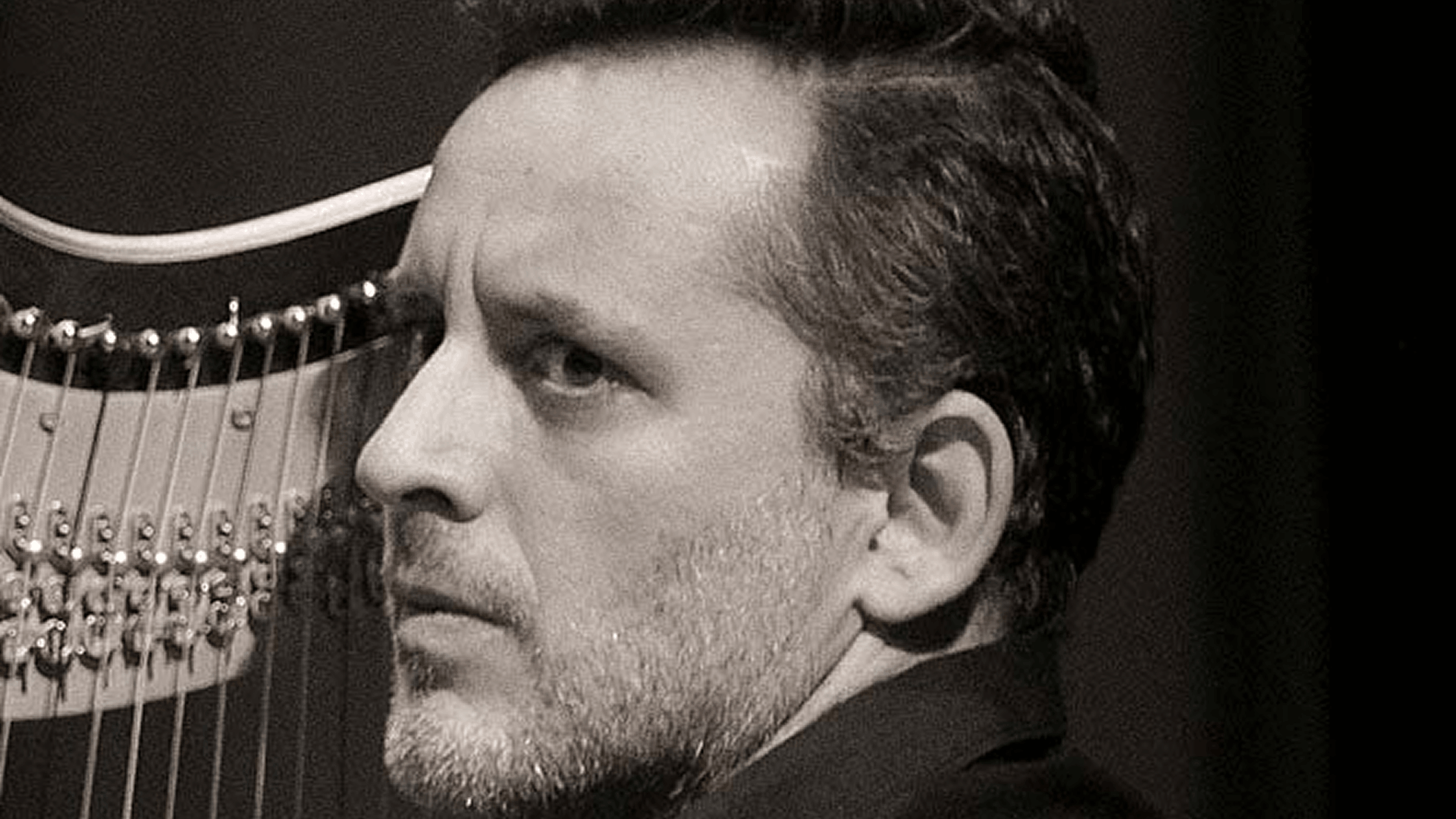
Impressionism in Music: A Harp Recital by Eduardo Raon
In this recital, musician Eduardo Raon will perform an original composition that articulates the Impressionist aesthetic in both pictorial art and music through the harp — an instrument often featured in Debussy and Ravel’s compositions for its ability to create gentle, soft sounds that evoke mood, atmosphere and imagery.