


Introduction
Shifting Grounds takes a historical overview of the significant shifts in art practice in Singapore from the 1970s to 2000s. Alternative art practices exploded onto the Singapore art scene in the second half of the 1980s to counter the dominant systems of art at the time. Artists shifted away from the existing modernist ideas of painting and sculpture as well as the position of the museum and market to explore performance, installation and video. At the same time, increasing interest in art from Asia coincided with the explosion of biennales and triennales internationally, leading to shifting ideas of locality within this larger global framework. Locally, the debate was moving away from modes of representation to modes of production and consumption. This essay tracks both these developments in tandem, exploring not only how artists questioned the existing role of art but how the international influenced and enabled artists to create and show their works. The artworks discussed shift between these two critical strands, which sometimes overlap and sometimes diverge, revealing networks and nodes of practice that were crucial in facilitating the creation and presentation of these works.
Section 01
Early Stirrings
The turn towards conceptual art had already begun to emerge by the 1970s. Initial shifts could be seen in the work of artists such as Cheo Chai-Hiang and Tang Da Wu, who were then members of the Modern Art Society. In 1972, Cheo submitted 5’× 5’ (Singapore River) for the society’s annual exhibition. Widely considered the earliest example of conceptual art in Singapore, Cheo had mailed from London (where he was studying), a set of instructions to create a square measuring 5 feet by 5 feet in the gallery space.1 The work was not shown.2 In the same year, the Society accepted and exhibited Tang Da Wu’s submission, Space Experimentation, which Seng Yu Jin has suggested could be the earliest example of installation art shown in Singapore.3 Two years later, in 1974, the Society exhibited another work by Tang – Sculpture, which comprised cardboard boxes wrapped in long tubes of clear plastic suspended from the ceiling.4 The use of found objects and the unfinished appearance of the work point towards Tang’s larger concerns about the art object and its relationship to everyday life, a tenet that was central to The Artists Village (TAV), a collective which Tang co-founded in 1988.5
In 1979, Tang produced another seminal piece, Gully Curtains (fig. 1 image not reproduced in the digital edition), the first land art work in Singapore, which was shown the following year together with The Product of the Sun and Me and The Product of the Rain and Me in an exhibition titled Earth Work (fig. 2 image not reproduced in the digital edition). Also in 1979, sculptor Tan Teng Kee organised an outdoor exhibition, The Picnic, which featured a “fire sculpture,” a work that was burnt as night fell, a critique on the sacrosanctity of the art object, but also a type of performance that prefigured the things to come.6 These early stirrings laid the groundwork for a sustained transformation of the art scene in the mid-1980s.
Discussions of the contemporary in Singapore often start with TAV. However, it seems clear from the events of the 1970s that this was not the case. There were two other significant events that pre-dated the founding of TAV. In 1987, French artist Gilles Massot organised the Yin Yang Festival, a multidisciplinary event that took place at the Kent Ridge Guild House over a weekend.7 The festival included an exhibition of paintings and drawings, performance art by S. Chandrasekaran, an installation by Tang Mun Kit, talks by Robert Liew, Lin Hsin Hsin and T.K. Sabapathy as well as theatre, music and dance performances. Interestingly, Massot’s search for festival volunteers brought him to LASALLE College of the Arts where he met a young Vincent Leow. Leow ended up leading the student volunteers for the festival and the two continued their collaboration the following year for the project Art Commandos at the 1988 Arts Festival Fringe.8 Following a week of workshops at Sentosa, Art Commandos moved to the disused premises of the former St Joseph’s Institution (present-day Singapore Art Museum), from where they brought performances to different parts of the island, including Orchard Road. At the same venue, artist Tang Mun Kit organised More Than Four, an exhibition that featured installations and performances that made use of objects found on-site, by Tang, as well as artists Chng Chin Kang, Baet Yeok Kuan and Lim Poh Teck.9
Both these events brought art out of the white walls of the gallery or museum. Prompting significant debates about our understanding of what art is or could be, these artists and artworks not only introduced local audiences to new artistic media but questioned ideas of tradition and identity. Artists began to organise themselves into independent networks located away from institutions of the state and centres of the art exhibition. This was unlike the formal organisation of societies such as the Modern Art Society or the Equator Art Society. Instead, artists, both local and foreign, simply came together and split apart in loose associations, within a constantly shifting artistic landscape that valued dialogue and experimentation. This continued through the late 1980s and 1990s.
Section 02
Experimental Colony
The 1980s and 90s were characterised by nodes of activity around particular sites, exhibitions and even people. One such key node was TAV and its co-founder, Tang Da Wu. Tang had returned to Singapore in 1988 and started inviting artists to his home, a farm in Sembawang, to not only make art, but to discuss it. He rejected the idea of art as pure commodity; art had become too divorced from everyday life and needed to “live” again.10 His ideas influenced many younger artists and these informal get-togethers gradually developed into an artist community that presented its first exhibition in January 1989, simply titled Open Studio Show. Ten artists took part: Tang himself, Hazel McIntosh, Tang Dahon, Amanda Heng, Lim Poh Teck, Baet Yeok Kuan, Tang Mun Kit, Soh Siew Kiat, Vincent Leow and Wong Shih Yaw. It was also during this exhibition that the name “The Artists Village” was first used. By the last exhibition of that year, The Drawing Show in December 1989, the scale of the show had expanded to 400 works by 40 artists and TAV had become a significant part of the local arts landscape.11
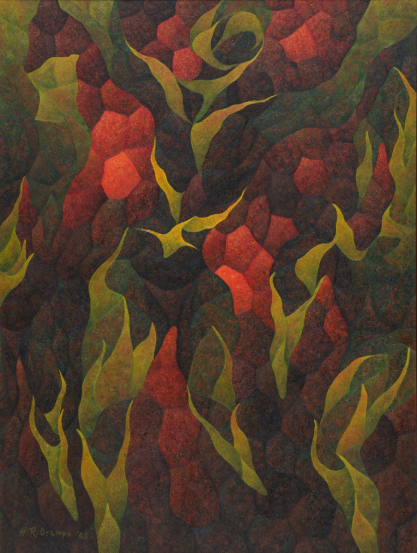
Rejecting the abstraction of high modernism, there was not only a new shift towards performance and installation, but also a return to figuration in painting and drawing. Two artists, Vincent Leow and Wong Shih Yaw, stood out for their experiments in painting. Together, they held a two-man show at the National Museum Art Gallery in 1989. With the unambiguous title of Two with a Cause, the exhibition was the artists’ attempt to proclaim a new kind of art. In an interview with T.K. Sabapathy in The Straits Times, Leow elaborated, “The art context is very wide and we have not explored all facets, expanded the limits, for there is not any need to be confined to, or narrowly follow any particular path in expressing yourself. And there is not any need to follow the academic norms of painting or sculpture. There are alternative paths or directions which we must explore. Yes, we want to create works which are provocative.”12 And provocative they were, as a follow-up article in The Straits Times showed – visitors to the exhibition had left angry comments in the guest book about the “disgusting” paintings.13 A complete turnaround from the abstract paintings of older artists like Thomas Yeo or Goh Beng Kwan, paintings in the show, such as Wong’s Transformation (fig. 3), were powerful and confrontational works that commented on society in a way that local audiences had never encountered before.
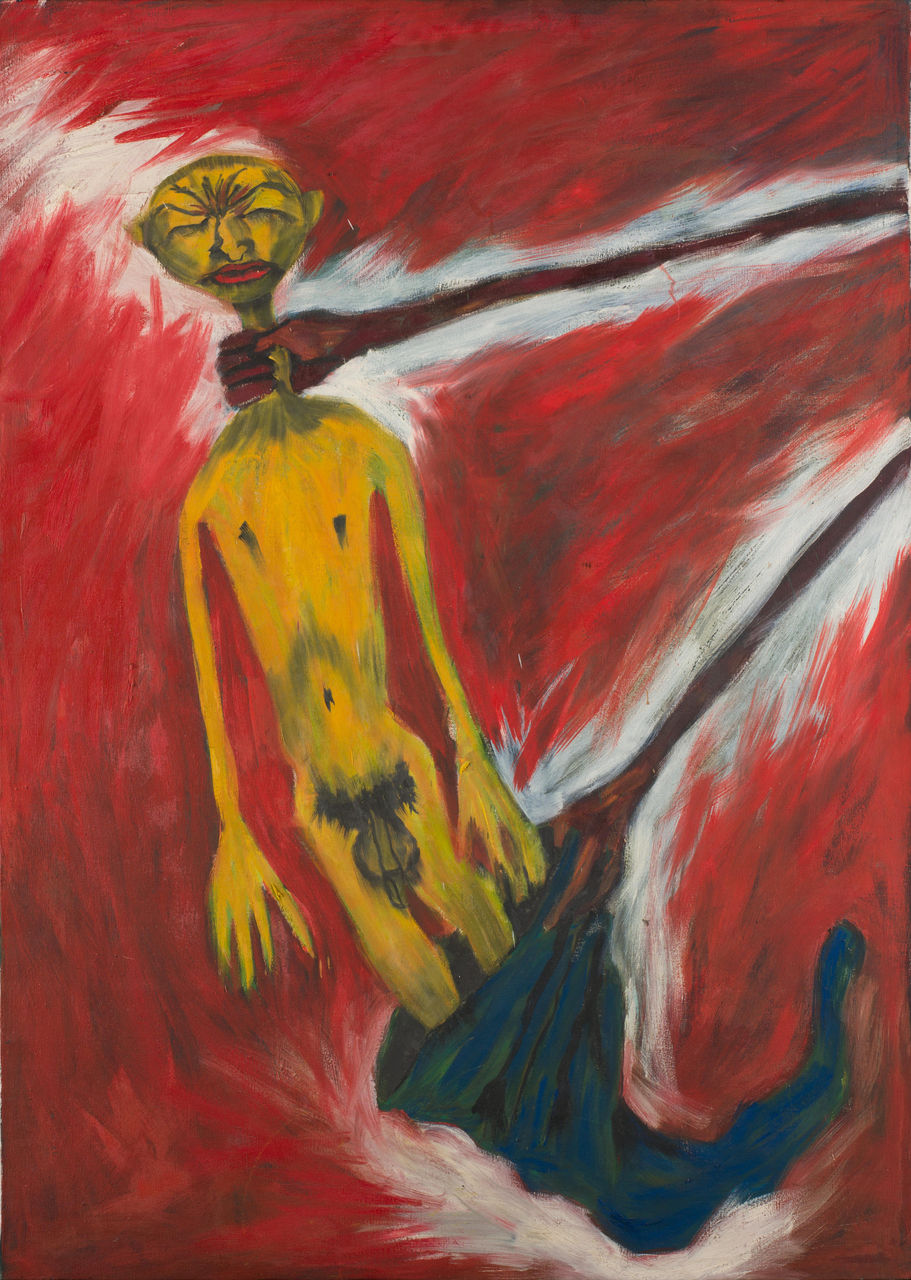
Fig. 3. Wong Shih Yaw. Transformation. 1989. Oil on canvas, 170.5 × 122 cm. Gift of Victoria Roveda.
Fig. 3. Wong Shih Yaw. Transformation. 1989. Oil on canvas, 170.5 × 122 cm. Gift of Victoria Roveda.
On the other hand, Leow’s Yellow Field (fig. 4), made the following year, continued his explorations in the genres of still life and landscape painting and seemed to offer a humorous commentary on his formal training in academic painting. Although at first glance, it appears to be a minimalist landscape – a yellow field – it is in actual fact, a painting of his stretched out yellow shirt.
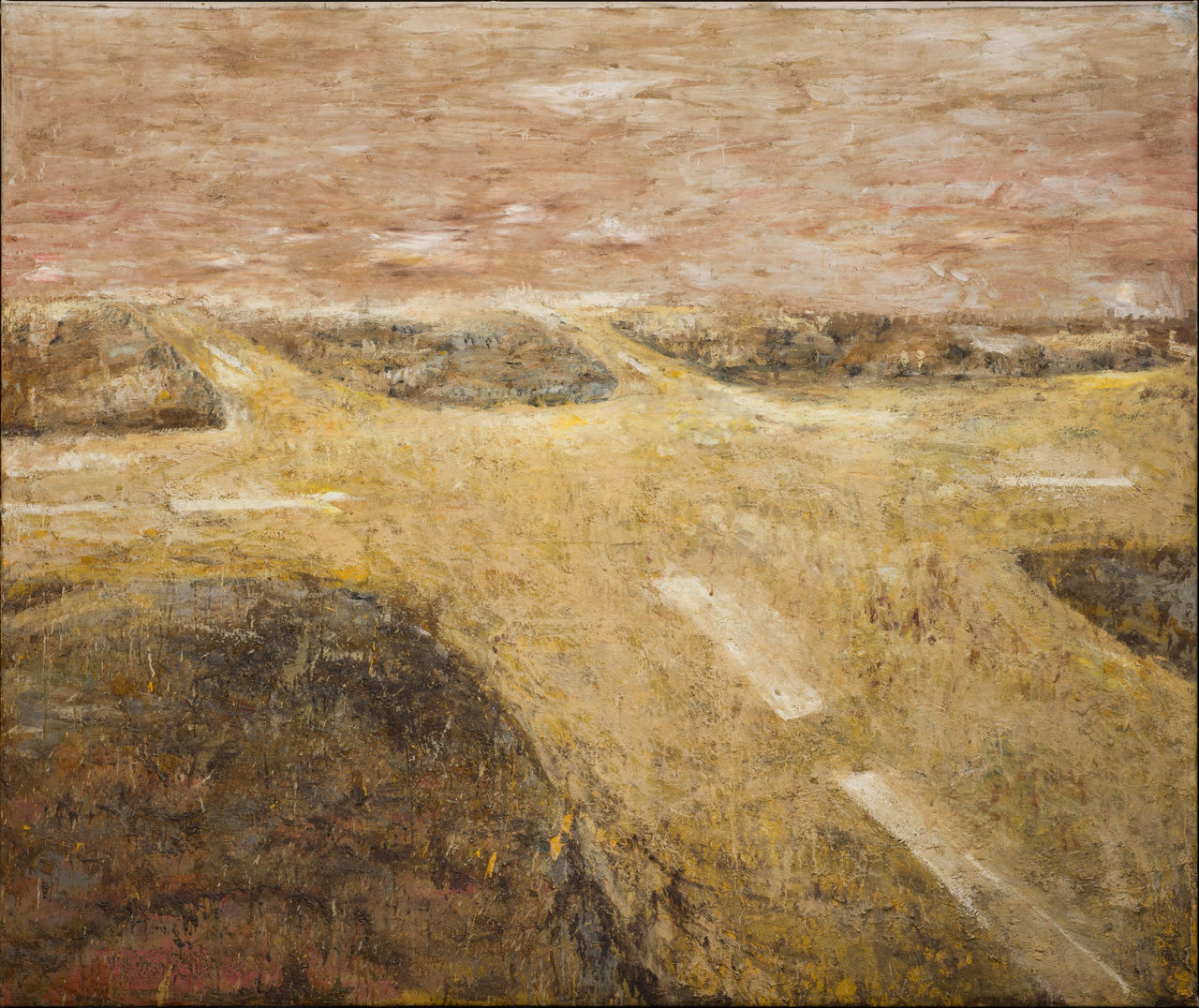
Fig. 4. Vincent Leow. Yellow Field. 1990. Oil on canvas, 212 × 249.5 cm. Collection of Singapore Art Museum.
Fig. 4. Vincent Leow. Yellow Field. 1990. Oil on canvas, 212 × 249.5 cm. Collection of Singapore Art Museum.
A Sculpture Seminar in 1991 was coordinated by Tang Da Wu and many members of TAV participated in it. Tang had proposed the two-week seminar at the National Museum Art Gallery to help artists prepare for the National Sculpture Exhibition and took the opportunity to introduce participants to his ideas about sculpture. One of the most well-known works to emerge from the seminar was Study of Three Thermos Flasks (fig. 5), which ended up at the centre of a heated public debate.
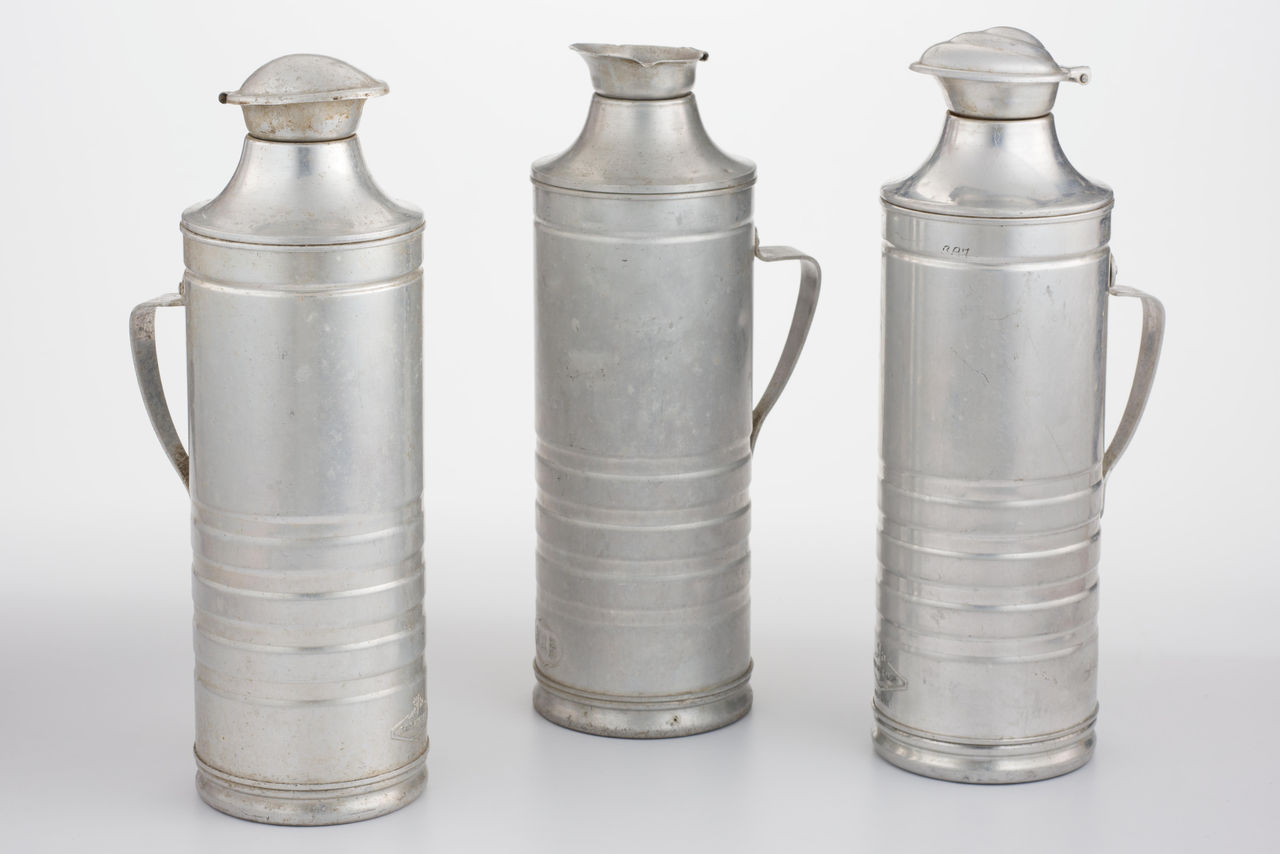
Fig. 5. M. Faizal Fadil. Study of Three Thermos Flasks. 1991
Aluminium, 35 × 13.5 × 10.5 cm (each). Collection of
Singapore Art Museum.
Fig. 5. M. Faizal Fadil. Study of Three Thermos Flasks. 1991
Aluminium, 35 × 13.5 × 10.5 cm (each). Collection of
Singapore Art Museum.
The artist, M. Faizal Fadil, a young member of TAV, had bought these flasks from the Sungei Road flea market and asserted them as sculpture. He was alluding to avant-garde artist Marcel Duchamp’s concept of the Readymade, which was discussed at the seminar. Flasks may look like Singapore’s copy of Duchamp’s famous ready-made Fountain (1917), but what was significant were the debates it provoked in Singapore and the region about the traditional ideas of sculpture. Questions were raised about the role of the artist and the difference between artworks and non-art objects. There was even a debate in The Straits Times by writers Ng Wei Joo and Koh Buck Song, who took opposing views about the work’s originality and artistic value.14
One of Tang Da Wu’s most well-known works, Tiger’s Whip (also known as I Want My Penis Back) (fig. 6), also had a role in A Sculpture Seminar. The work is a good example of how Tang’s practice fluidly moves between medium and form, without being overly concerned about categories, prioritising concept and process instead. Criticising the practice of hunting tigers for their penises (the titular whip) to create aphrodisiac tonics for men, Tang created some of his most powerful performances in Tiger’s Whip. Not only did he present six performances at the National Museum Art Gallery, he brought his performance to Chinatown and Marina Square the following month. The performance in Chinatown was particularly significant as Tang performed right in front of the medicinal halls where the aphrodisiacs were sold, and even invited the shopkeepers to the performance. In the performance, ten tigers made from white linen and wire mesh were used to represent the spirits of the dead animals, while Tang wore a sleeveless white garment and acted as poacher, tiger and a man who consumes the tiger’s penis. Between performances at the National Museum, the work was left as an installation in the gallery space. However, the version showing the single tiger pouncing on the rocking chair was collaboratively developed and exhibited during A Sculpture Seminar. Tang had brought in one of the tigers from his earlier performances to use as a teaching tool during the workshop, where participants were invited to contribute their thoughts on its form and structure. The outcome of their discussions was an installation representing an angry tiger in a precarious situation, surrounded by streams of blood.15
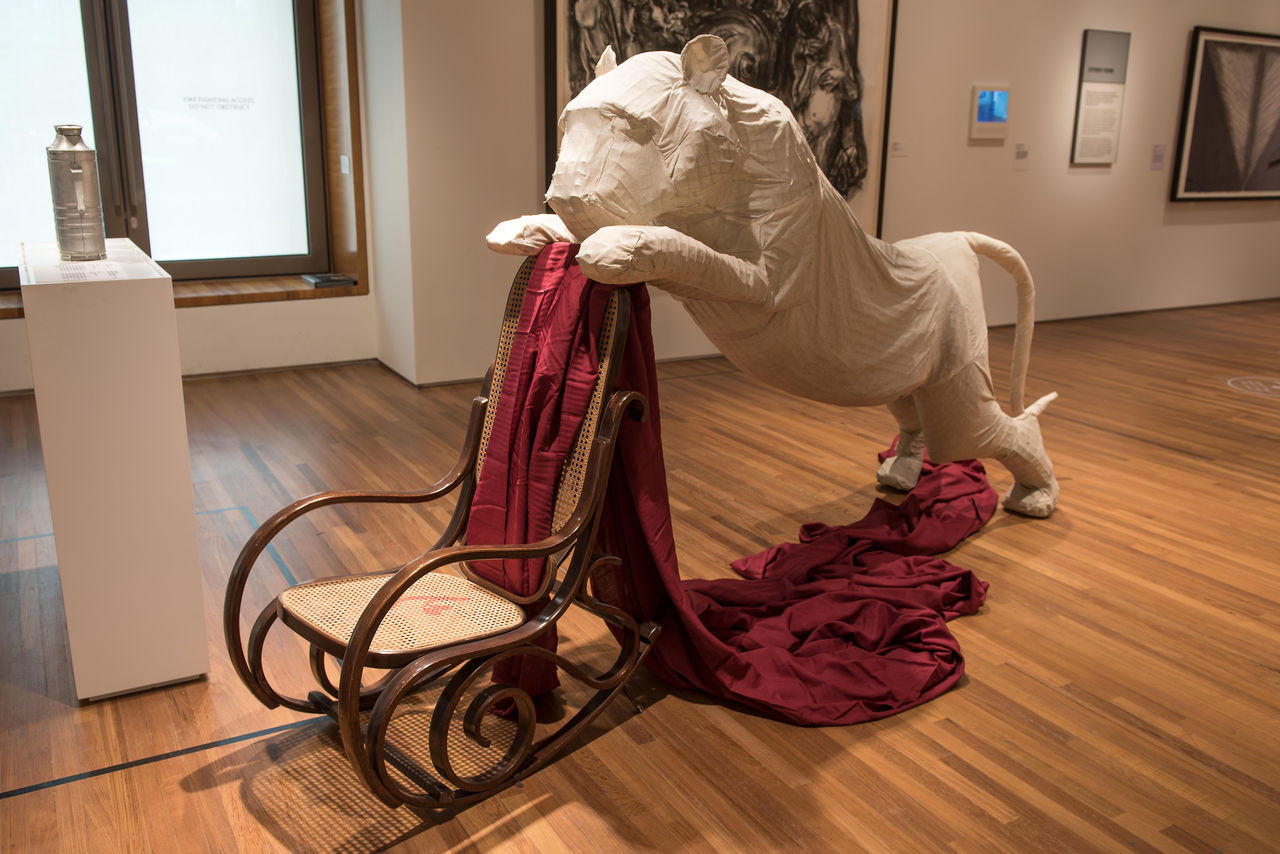
Fig. 6. Tang Da Wu & the participants of A Sculpture Seminar. Tiger’s Whip (also known as I Want My Penis Back). 1991. Mixed media, Dimensions variable. Collection of Singapore Art Museum.
Fig. 6. Tang Da Wu & the participants of A Sculpture Seminar. Tiger’s Whip (also known as I Want My Penis Back). 1991. Mixed media, Dimensions variable. Collection of Singapore Art Museum.
Beyond painting and sculpture, TAV also initiated significant debates about how art may be understood and what functions it could play in an increasingly materialistic society. Artists had a role to play in bridging the gap between art and everyday life. As a result, many works were time and site specific, created in the spirit of a new avant garde that sought to resist the dominant ideologies of the state and the institutionalisation of art by the museum. In addition to the exhibitions at the Sembawang farm, TAV staged exhibitions along Orchard Road, at the Nanyang Technological University and the National University of Singapore, in spaces that were clearly far from the white cube of the gallery. One of TAV’s most significant projects was The Space, held in 1992 at the dilapidated Hong Bee warehouse in Robertson Quay after they lost their premises at Sembawang in March 1990.
An ambitious event, The Space featured forty local and twenty international artists, among them were Vincent Leow and Zai Kuning. Leow performed Lifestyles of the Rich and Famous: The Three-Legged Toad. The three-legged toad, believed to possess the power to enhance a person’s wealth, is commonly used in Chinese feng shui. Dressed in an outfit made from fake American dollars, Leow impersonated a toad and leapt around with his mouth stuffed with fake American dollars in a performance that criticised materialism and consumerism in a rapidly developing Singapore. After the performance, Leow converted his outfit to a sculptural object called Money Suit. Zai, on the other hand, presented Working Space, an installation which simply displayed objects scavenged from the warehouse. These objects were subsequently displayed, packed and sealed into 12 yellow boxes as part of his solo exhibition in 1992 at The Substation. Titled Installing Memory, it questioned the status of the art object..16
Another important project by TAV was Artists Investigating Monuments (AIM), a series of events organised around monuments and historical sites. These “investigations” took place around the Raffles Landing Site at Empress Place, the old Parliament House and Merlion Park in 2000. The project was revisited in 2004 for Seni Singapore, an arts festival organised by the National Arts Council and the Singapore Art Museum, and again in 2005 at two venues, the Museum of Contemporary Art in Sydney and at the House of World Culture in Berlin. Two of the more memorable works in the first edition of AIM in 2000 made references to Sir Stamford Raffles, the founder of modern Singapore – Lee Wen’s intervention with the white Raffles statue and Woon Tien Wei and Dennis Tan’s Spending Time with Raffles Club. In the former (fig. 7 image not reproduced in the digital edition), Lee built a raised platform around the statue so that members of the public could climb up to look at Raffles “eye-to-eye.” This simple but powerful act brought up several questions, not least about Singapore’s relationship to its colonial history.17 Spending Time with Raffles Club (fig. 8 image not reproduced in the digital edition), on the other hand, used humour to great effect. Dressed like door-to-door salesmen, the artists set up a tent by the foot of the Raffles statue to invite the audience to join their Club. Giving out flyers and displaying Raffles-related paraphernalia, Woon and Tan subsequently took club members on a tour to Raffles City shopping centre and Raffles Hotel. The duo even attempted to take a boat to the Raffles Lighthouse.18 Their over-the-top devotion to Raffles highlights how the man, or at least his name, has marked much of the local landscape and, like Lee’s work, reveals how much Singapore’s official history is still premised on this colonial moment.
Section 03
Other Views
In 1988, the same year that The Artists Village members started meeting in Sembawang and before their first studio show, three recent graduates from the Nanyang Academy of Fine Arts presented a groundbreaking exhibition, Trimurti, at the Goethe Institute in Singapore. Like TAV, the artists in Trimurti – S. Chandrasekaran, Goh Ee Choo and Salleh Japar – challenged the prevailing conventions of the gallery space and the academy. Refusing to take part in their own graduation show, the group rejected the prevailing curatorial and aesthetic standards and devised their own methods of presenting work. For Trimurti, the trio treated the gallery as a collaborative space. Taking the Hindu concept of trimurti as its starting point – creation, preservation and destruction – the artists curated an exhibition that could be viewed as one large installation, rather than individual works grouped by artist or theme.19 The three also sought to develop an artistic language inspired by vernacular traditions and their own cultural values, specifically Indian–Hindu, Chinese–Buddhist and Malay–Muslim for Chandrasekaran, Goh and Salleh respectively. Visvayoni (fig. 9) by Chandrasekaran and Heavenly Flow Series I (fig. 10) by Goh were both first exhibited in Trimuti. The former invokes the Hindu concept of creation and preservation through the forms of the deity Shiva and his consort Sakti who, together, manifest Visvayoni, the womb of the universe. The latter depicts a microcosm of the universe as described by Taoist teachings.
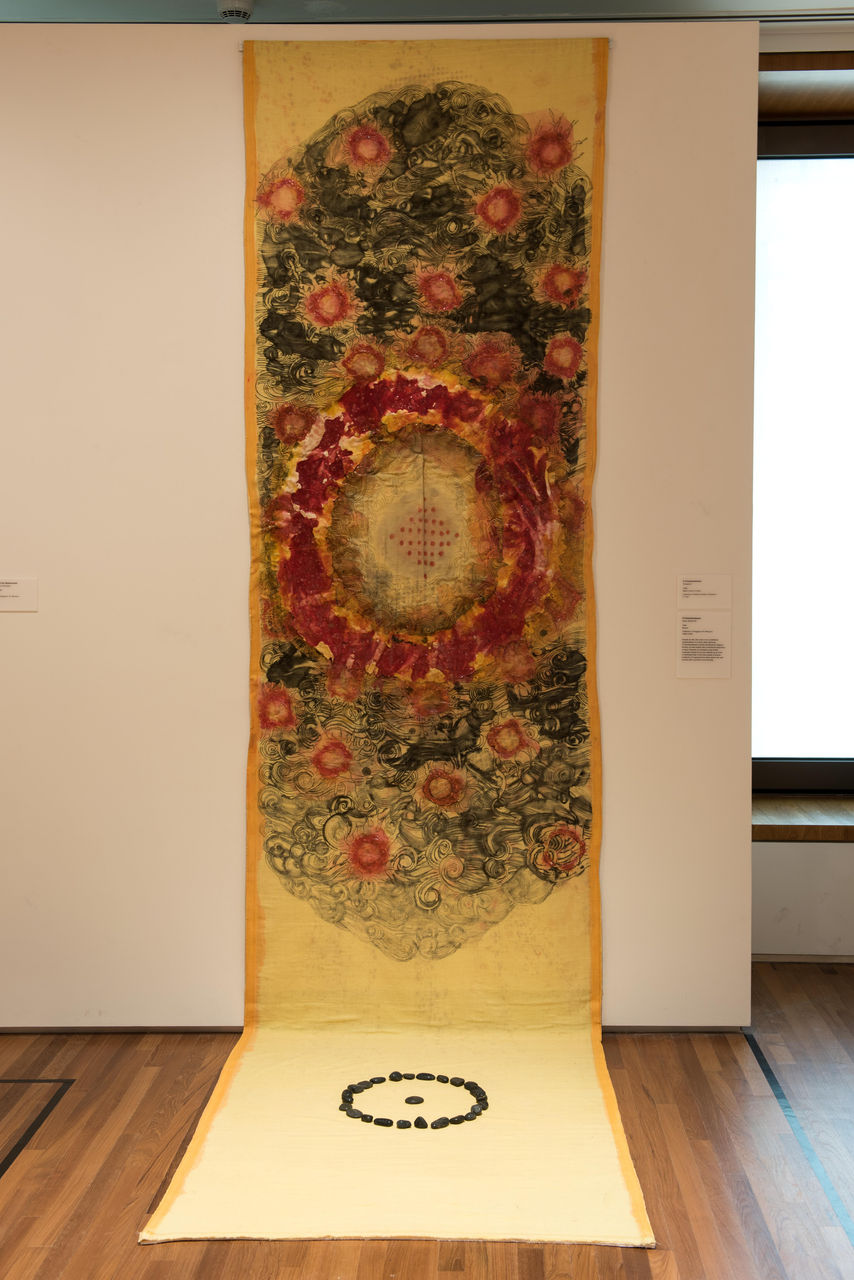
Fig. 9. S. Chandrasekaran. Visvayoni. 1988. Mixed media on fabric., 395 × 99 cm.
Fig. 9. S. Chandrasekaran. Visvayoni. 1988. Mixed media on fabric., 395 × 99 cm.
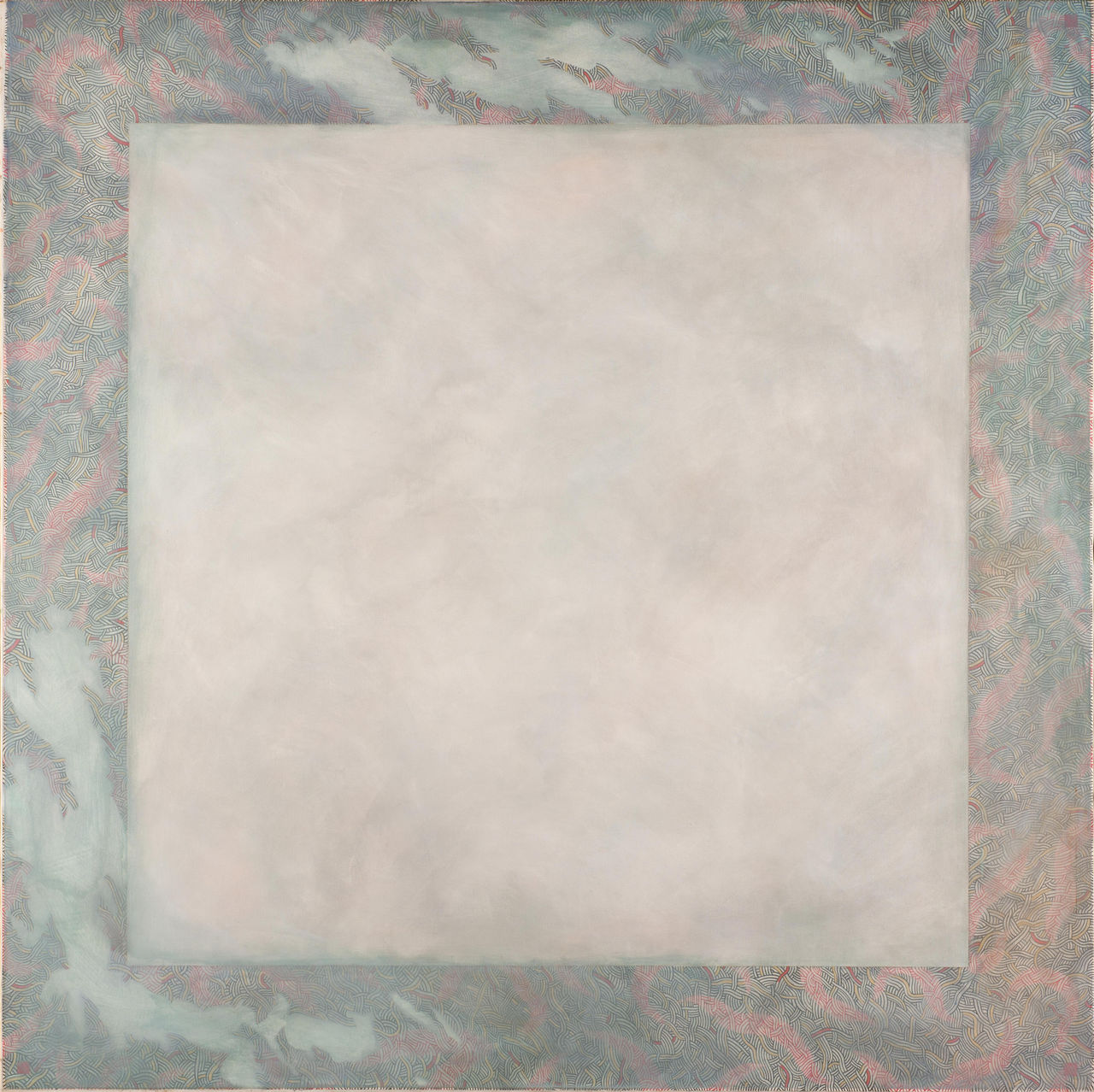
Fig. 10. Goh Ee Choo. Heavenly Flow Series I. 1988. Acrylic on canvas, 168 × 168 cm.
Fig. 10. Goh Ee Choo. Heavenly Flow Series I. 1988. Acrylic on canvas, 168 × 168 cm.
Interestingly, as their careers and practices developed, the artists also consciously presented themselves as an alternative to TAV. Elaborating on their alterity, almost a decade after their 1988 exhibition, Chandrasekaran reflected: “His [Tang Da Wu’s] performances are not rooted in elements from this region [...] the body gestures, materials, space understanding, didn’t come from this region. They were Western-oriented body language which I thought did not work.”20 However, this did not mean that the three artists did not get along with TAV members. On the contrary, Salleh participated in The Drawing Show in 1989 and exhibited the work Spirit Trap during A Sculpture Seminar in 1991; Chandrasekaran also took part in The Space in 1992.
Section 04
After Performance
The founding of TAV and the Trimurti exhibition were merely the tip of an exploding arts scene in Singapore. The Substation, which became a key venue for experimental exhibitions and performances, was established in 1990 and the National Arts Council (NAC) was formed in 1991. 5th Passage Artists Limited, an artist-run gallery in Singapore, also opened in 1991 at Parkway Parade shopping centre. However, this momentum hit a roadblock in 1994 with the controversy surrounding a performance by artist Josef Ng titled Brother Cane at the Artists’ General Assembly, a one-week arts festival held from 26 December 1993 to 1 January 1994, co-organised by The Artists Village and hosted by 5th Passage. Performed in the wee hours of the morning on 1 January 1994, Brother Cane comments on the arrest of 12 men for solicitations of a homosexual nature and the press coverage of that event. Dressed in a pair of black briefs and a black robe, Ng used a cane to strike 12 pieces of tofu arranged in a semicircle on the ground, each with a packet of chilli sauce on top of it. The whipping sound of the cane combined with the explosion of red sauce against the white tofu with each strike was a chilling metaphor for capital punishment. Ng ended the performance by walking away. With his back to the audience, he snipped off a small amount of his pubic hair. Turning back to the audience again, he said, “Maybe a silent protest is not enough.”21 In the audience that night was a reporter from The New Paper; their front-page report on Brother Cane resulted in one of Singapore’s biggest arts controversies. Following a heated public debate in the press, NAC released a statement condemning the performance and its status as an art form. The management of Parkway Parade also told event host, 5th Passage, to quit their premises. Subsequently, NAC stopped funding performance art, a freeze which lasted for ten years, while Josef Ng was banned from performance and fined $1000. 5th Passage was also henceforth denied any government grants or assistance.22
Despite this set back, artists continued to engage in this medium. Fellow artists also rallied in support of Ng and performance art. Seven months after the event, Zai Kuning, who had also participated in the Artists’ General Assembly, created and exhibited Still Performance (fig. 11 image not reproduced in the digital edition) at an exhibition titled Departures held at The Substation, which was organised in response to the events following the Brother Cane performance. Still Performance is a series of 20 drawings, each featuring a slightly different and oversized self-portrait of the artist. The focal point of each drawing is the large head, crooked teeth exposed in a grinning rictus. Due to its scale and extreme vertical orientation, each drawing feels like it is gazing down on the viewer. Seen in its entirety, the series makes for an awkward and somewhat confrontational viewing experience. T.K. Sabapathy notes, “These pictures symbolise the constriction and depletion of a youthful yet vital creative practice. [...] Zai employs his body as a site for conveying the traumatic consequences of aborting certain practices of art and in banning Josef Ng from involvement in performance art.”23 The title of the work can also be read as a clever play on words – a performance that has been stilled, but also a performance that will continue regardless. So while the body in each portrait is stationary, together they create a continuity, or sense of movement.
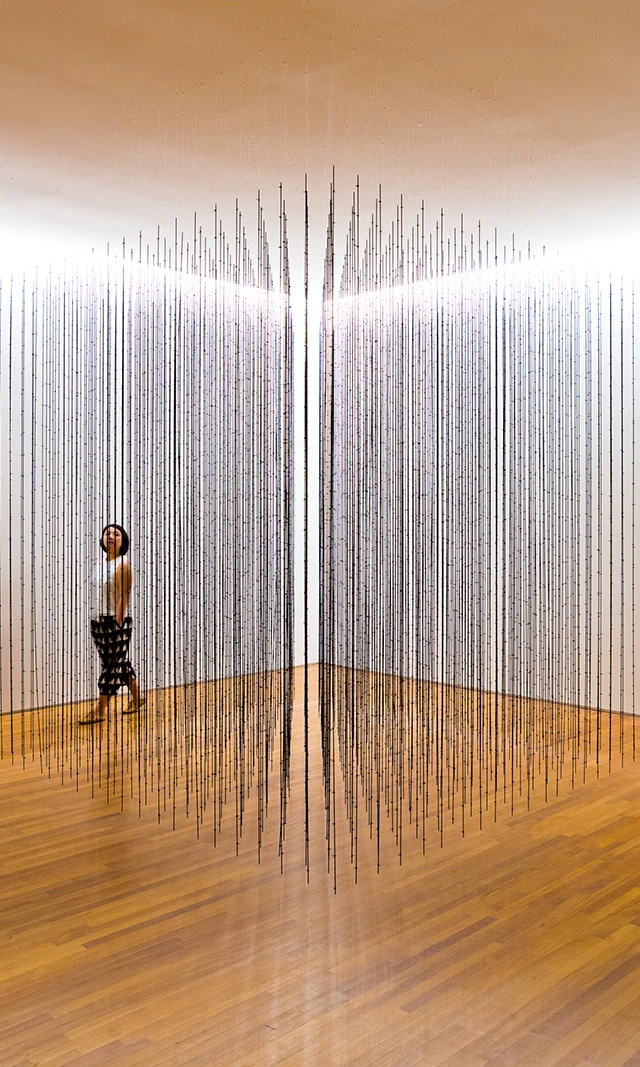
Suzann Victor took a different approach. As Co-Artistic Director and one of the founders of 5th Passage Artists Limited, the Brother Cane incident undoubtedly had an impact on her. Expense of Sprit in a Waste of Shame (fig. 12) is an important work which marks Victor’s artistic shift from the performative body to performative installation.
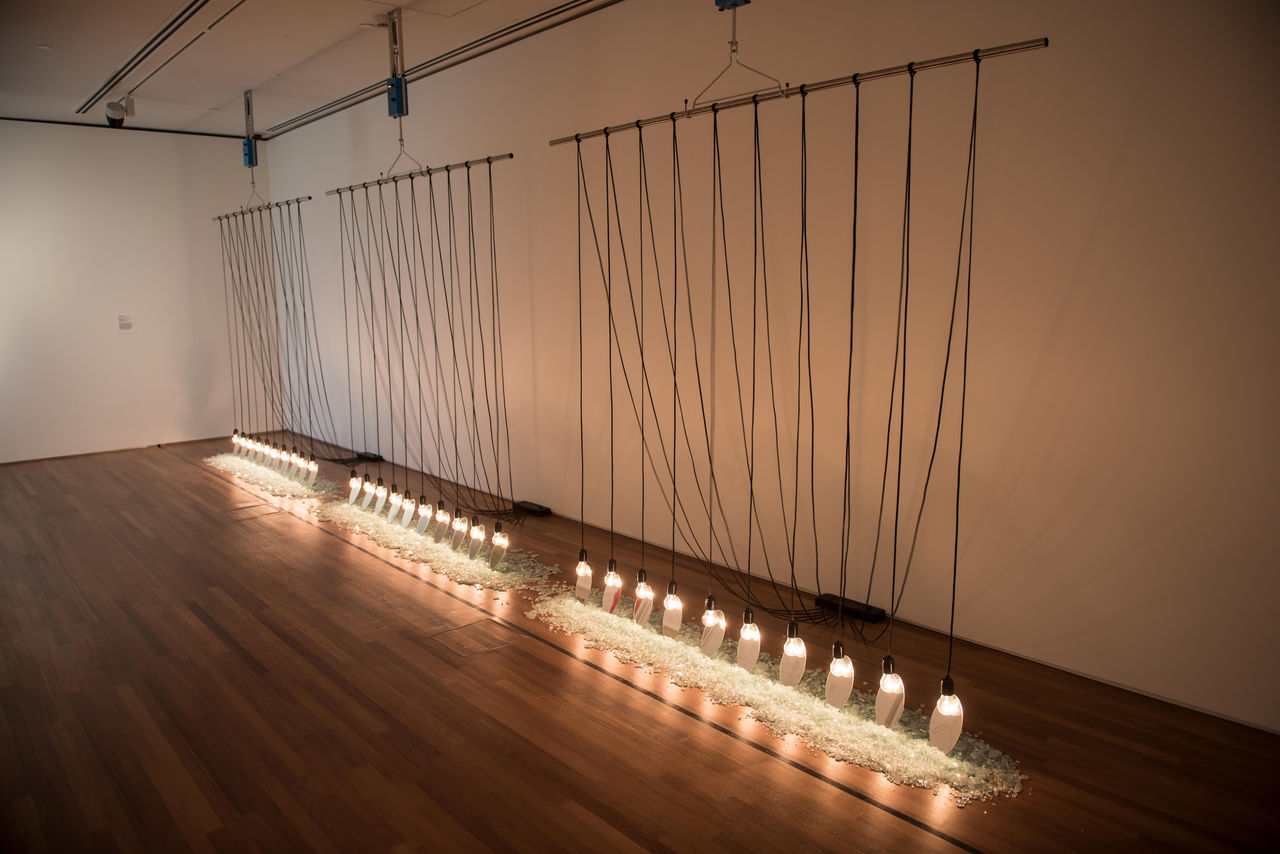
Fig. 12. Suzann Victor. Expense of Spirit in a Waste of Shame. 1994. Light bulbs, cables, control unit, broken glass, motors, aluminium rods and mirrors, Dimensions variable. Collection of Singapore Art Museum.
Fig. 12. Suzann Victor. Expense of Spirit in a Waste of Shame. 1994. Light bulbs, cables, control unit, broken glass, motors, aluminium rods and mirrors, Dimensions variable. Collection of Singapore Art Museum.
The work is a kinetic sound installation of multiple light bulbs gently and rhythmically tapping against their paired elliptical mirrors placed on a bed of crushed glass, on the ground. The fleeting yet repetitive and mesmerising contact of the bulbs against the mirrors represent the jittery relationship of troubled lovers, who seem to be locked in the never-ending cycle of splitting and reconciling, hurting and healing. In describing the work, Victor has said: “Upon closer scrutiny of these eroticised objects of the everyday, these fat-bottomed globes mimic the gesture of clitoral stimulation on its own reflected image. But which is stimulating which? What is “pleasuring” what? Who is looking and who is being looked at? Who is the seer and who is seen? Expense of Spirit in a Waste of Shame controls a libidinal space that generates a desire for me to return to it (like a fetish), hence its performance at multiple sites over the years.”24 The artist’s description of the work as “performance” is extremely interesting and suggests a strategy of presenting performance without the appearance of the performing body.
Lee Wen’s involvement in Artists Investigating Monuments has been briefly mentioned. However, he is much more recognised for his series of performances entitled Journey of a Yellow Man. Covered completely in yellow paint, Lee’s performances were investigations into the complexities of ethnic and cultural identity via his own body. In Journey of a Yellow Man 11: Multiculturalism (1997), Lee presented a lecture at The Substation’s conference on “Multiculturalism in Singapore,” followed by a performance during which he spelt out the letters C, M, I and O with uncooked, white rice grains, before washing all the yellow paint off his body in a metal tub.25 Although it may be tempting to read Lee’s performances purely as a critique of essentialism, this particular version of the Journey of a Yellow Man performance clearly goes beyond that to discuss the issues of racial and cultural policy in Singapore, as well as the privileging of painting and sculpture over performance. In regard to the latter, Lee’s lecture specifically addressed Singapore Art ’97, an exhibition which claimed to be representative of Singapore art, yet barely included any installation works, nor any performance art. At the end of the performance, Lee Wen bottled up the yellow bath water and cheekily told the audience, “Now I am a watercolourist too!”
Section 05
Global Peculiar
The development of the art scene in Singapore as described above coincided with an increasing interest in art from Asia, so much so that it was only “logical and expected” for local artists to start looking outwards.26 Artists from Singapore were being propelled into the “international” art scene on two fronts. First, there was a growing recognition by art curators and historians that artists from Singapore and Southeast Asia were producing critically loaded works that fit into the format of the art biennale – where installations and conceptual practice found privileged reception over other mediums such as painting and sculpture. Second, the Singapore government was starting to put into place policies to develop Singapore into a “global city for the arts.” In 1997, NAC set up an International Relations Unit to “take care of the international dimension. [The Unit] proactively identifies artists and their work and sets them up in international events.”27 In 2000, the Renaissance City Plan was launched to build on Singapore’s cultural capital.28 Referring to the development of contemporary art in Singapore, Yvonne Low has suggested that:
Whilst Singapore artists had exhibited internationally prior to this, the new exhibition platforms that became accessible in the 1990s offered opportunities for Singaporean artists to present large-scale, site-specific works to the wider art world. Post-1994, it also gave performance artists the opportunity to develop their practice outside of Singapore. During this period, Singaporean artists were invited to major international art events such as the Artists’ Regional Exchange, Documenta, the Asia-Pacific Triennale of Contemporary Art and the Fukuoka Asian Art Triennale. By 2001, Singapore would have its first national pavilion at the prestigious Venice Biennale. Singaporean artists were placed into emergent debates about globalisation and the accompanying questions of identity and locality. They responded by developing a peculiar language for a global audience, producing work that followed international trends in medium and form, but highlighting local issues such as history and identity.
In 1997, Matthew Ngui became the first Singaporean artist to show at Documenta in Kassel. Although he had left Singapore for Perth in the late 1980s to pursue his studies in Fine Art and subsequently stayed on, he has continued to exhibit regularly in Singapore and has remained engaged in the conversations here. Like many of the artists in his generation, he works in the modes of performance and installation, and creates works that often involve the viewer with a strong emphasis on site-specificity. For Documenta X, he presented an installation and performance, You can order and eat delicious poh-piah’, amongst other things, which combined elements of his practice that he had been exploring for many years. The performance saw him preparing poh-piah, a Singaporean dish, for visitors who had ordered the food through a complicated set-up of plastic pipes, while the installation included Walks through a Chair (fig. 13 image not reproduced in the digital edition). The anamorphic chair, which falls apart and reconstructs itself for the viewer depending on their perspective, is accompanied by a video showing the artist walking through it. The legibility of the image is extremely fragile, as it constantly shifts in meaning between a stable object, i.e. a chair, and its disparate, abstract elements. This uncertainty of perception, that “a singular point of view can be false and incorrect,” is frequently seen in Ngui’s work, highlighting the tension between reality and image.30
Amanda Heng is another Singaporean artist frequently invited to show internationally. Heng regularly exhibited with The Artists Village in their early years and has created many powerful performances and installations that investigate gender issues. She first became familiar with feminist ideas while researching at the Central St Martins College of Arts and Design, United Kingdom in 1990. Aware that her understanding of feminism was based on a Western context, Heng has expressed interest in investigating these ideas in Asian culture especially from her own cultural background.31 Conceived between 1996 and 1997, Another Woman (fig. 14) is a series involving installation, performance and photography that was first shown at Rapport, a collaborative travelling exhibition organised by the Singapore Art Museum and the Monash University Gallery in Melbourne. Subsequently, Heng was invited to show Another Woman at the Fukuoka Asian Art Triennale and Asia Pacific Triennale in 1999. The work investigates a specific relationship between mother and daughter, in this case, Heng and her mother, in the domestic realm of women within the traditional Chinese Singaporean family. For Heng, the family structure is a critical institution where the role of a woman is defined in relation to male members of the family. Heng’s experience of gender inequalities in her own family inspired her to explore such a relationship in an autobiographical manner, using her and her mother’s bodies.
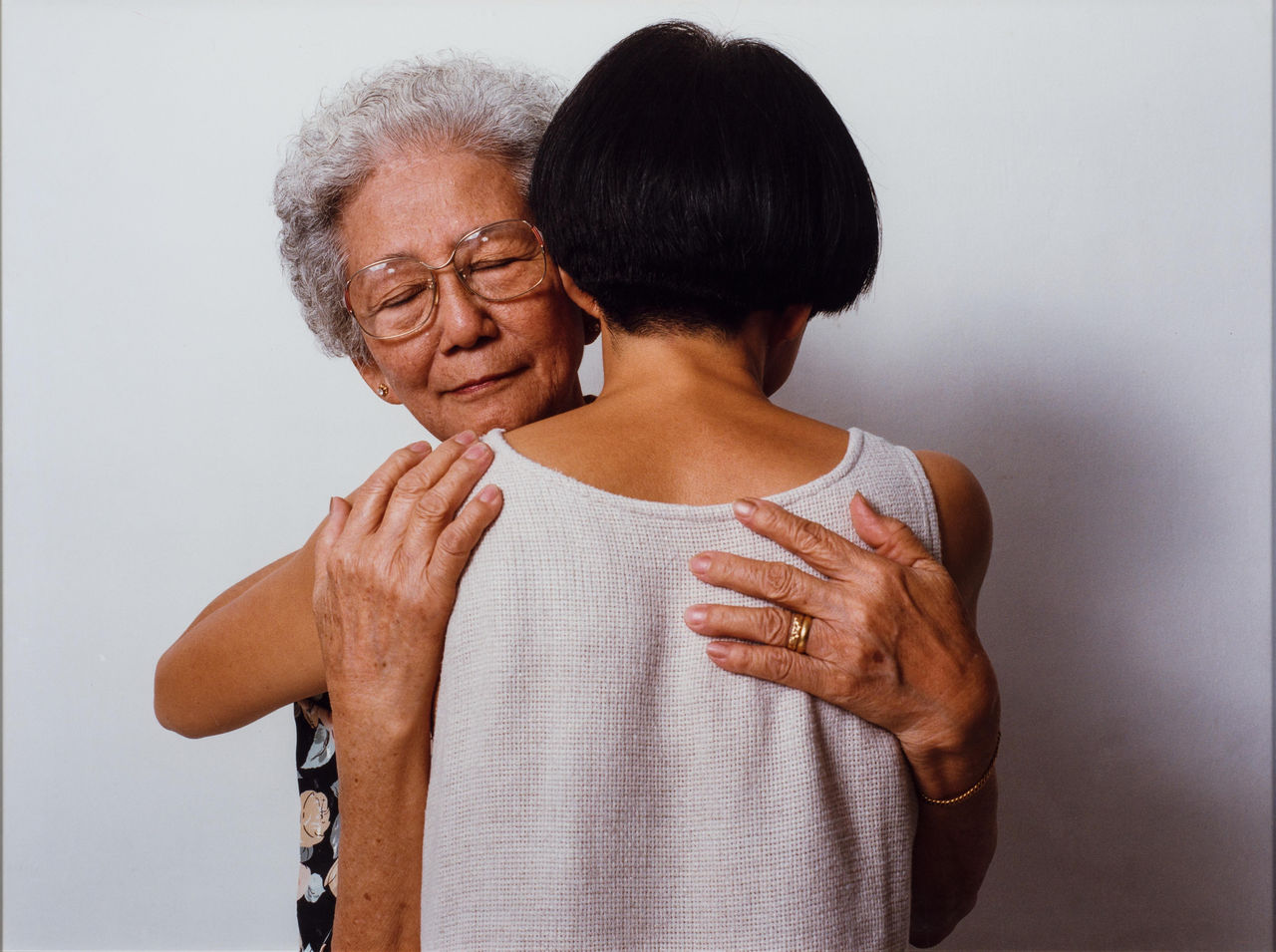
Fig. 14. Amanda Heng. Another Woman. 1996–1997. C-Print, 75.4 × 100.9 cm. Collection of Singapore Art Museum.
Fig. 14. Amanda Heng. Another Woman. 1996–1997. C-Print, 75.4 × 100.9 cm. Collection of Singapore Art Museum.
The last three works to be discussed are by a younger generation of artists, all of whom were born only in the 1970s and have represented Singapore at the Venice Biennale. Utama – Every Name in History is I (fig. 15) by Ho Tzu Nyen was first presented at The Substation in Singapore before being selected for the 26th Sao Paulo Biennale in 2004. It was also selected for the Fukuoka Asian Art Triennale in 2005 and subsequently acquired by the Fukuoka Asian Art Museum. Utama subsequently went on to show in multiple exhibitions, not only as an installation, but also as performance lectures delivered by the artist as well as in film festivals as a single-channel film. The work unravels through the legend of Sang Nila Utama, a Srivijayan prince from Palembang, who founded the Kingdom of Singhapura in the late 13th century, and weaves together literature, document, history and imagination. In a sense, Utama can be seen as a continuation of the issues raised in Artists Investigating Monuments. The evocation of figures from Singapore’s pre-colonial past by an artist offers a counterpoint to the official narrative of Singapore’s British colonial past which is commonly understood to begin with the arrival of Sir Thomas Stamford Raffles and his compatriot William Farquhar in 1819. Utama is seen as a formative work by Ho, where he laid the groundwork for a rigorous interrogation of history.
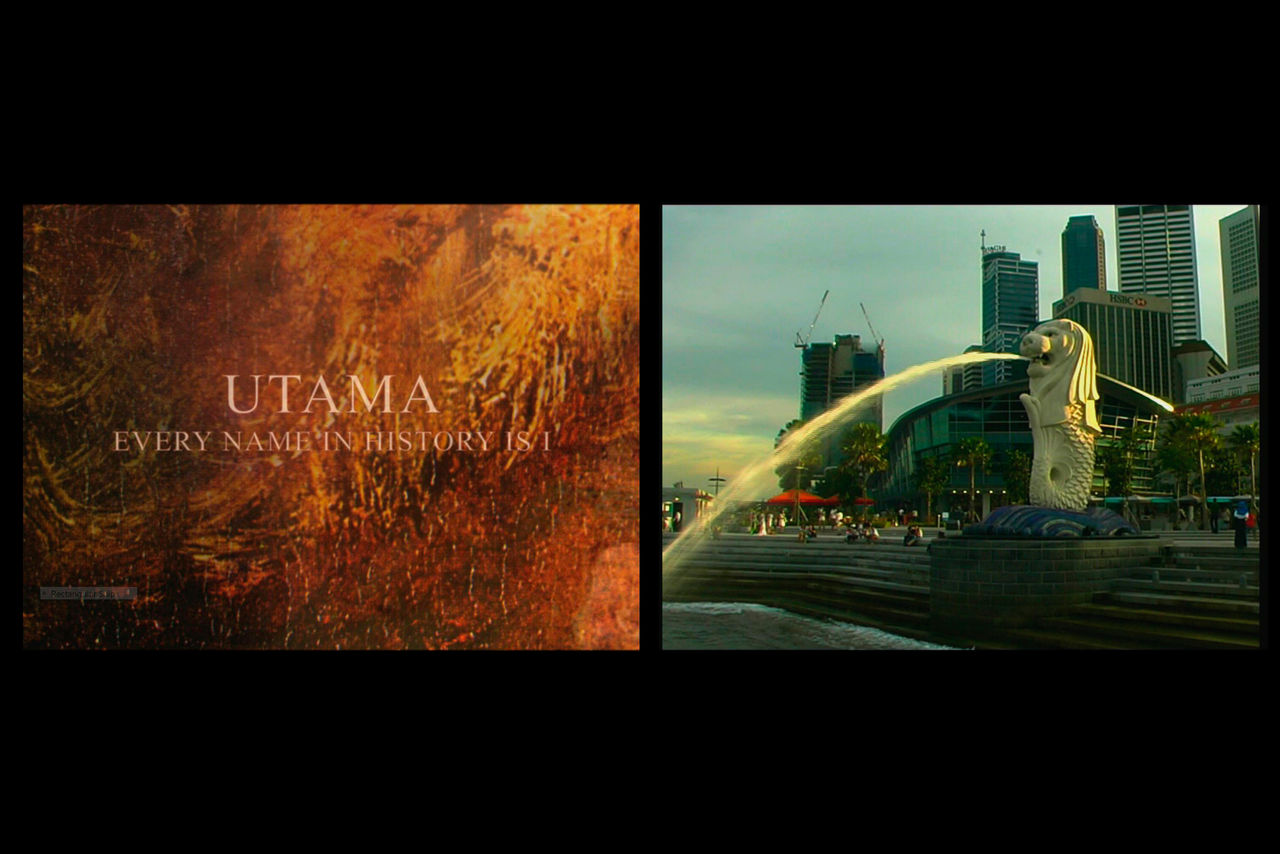
Fig. 15. Ho Tzu Nyen. Utama – Every Name in History is I. 2003–2015. Oil on canvas, video (23:00), Dimensions variable.
Fig. 15. Ho Tzu Nyen. Utama – Every Name in History is I. 2003–2015. Oil on canvas, video (23:00), Dimensions variable.
Four Malay Stories (fig. 16 image not reproduced in the digital edition) by Ming Wong was originally commissioned for Labi Labu - a two-man exhibition (with Khairuddin Hori) held at the Esplanade, Singapore. It was subsequently shown again as part of Wong’s solo exhibition at the Singapore pavilion of the Venice Biennale in 2009 where Wong won a Special Mention award, the first Singaporean to do so. Wong works predominantly with video and performance and is particularly influenced by cinema. Four Malay Stories is a four-channel video installation, recreating key scenes from four of P. Ramlee’s best-known films. P. Ramlee was a Malay showbusiness icon who made over 60 movies from 1950s to 1970s, in Singapore and Malaysia. His films had a broad appeal across the different races and classes and are often brought up as an example of Singapore’s multicultural history. Here, Wong, a Chinese male, acts out 16 characters, both male and female. Relying on his limited knowledge of the Malay language, the artist can be seen repeating his lines in repeated takes of the same scene. Subtitles show a transcription of the artist’s lines (in Malay) and a literal translation in English. The foreign presence of Wong within the films questions the premise of the nation’s multicultural story and highlights the stereotypes and cinematic tropes in our national cinema.
In the same year that Four Malay Stories was made, Singapore saw its first solo presentation at the Venice Biennale in the form of MIKE (fig. 17 image not reproduced in the digital edition) by Lim Tzay Chuen. Lim proposed to bring the 80-ton Merlion from Singapore to Venice, in a tongue-in-cheek comment on tourism, self-representation and capitalism. It was a project which did not materialise due to the lack of approval from the relevant parties, thus also becoming a comment on the bureaucracy of modern society. In a surprising move, the NAC, who had commissioned the work, did not insist on a last-minute substitution of artists. Instead, the council worked with the curator and artist to present the “non-project” in Venice. The Singapore Pavilion was converted into a large public toilet and outside it was placed a signboard with the words “I wanted to bring MIKE over.” The catalogue showed digitally altered photographs of a missing Merlion as well as a fictitious newspaper article lauding the success of bringing the water-sprouting statue to Venice.32 In a way, MIKE was the ultimate symbol of the shift towards conceptual art that started in Singapore in the 1970s; a point where the idea completely replaced the art object.