
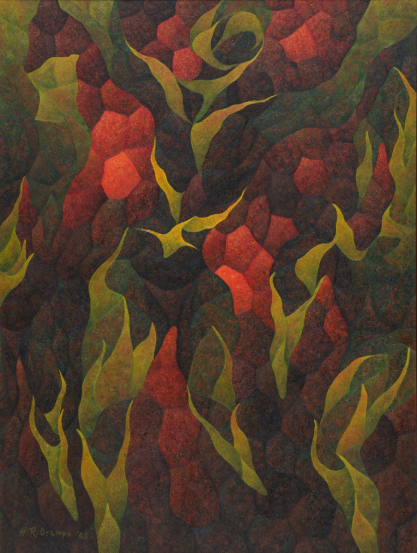


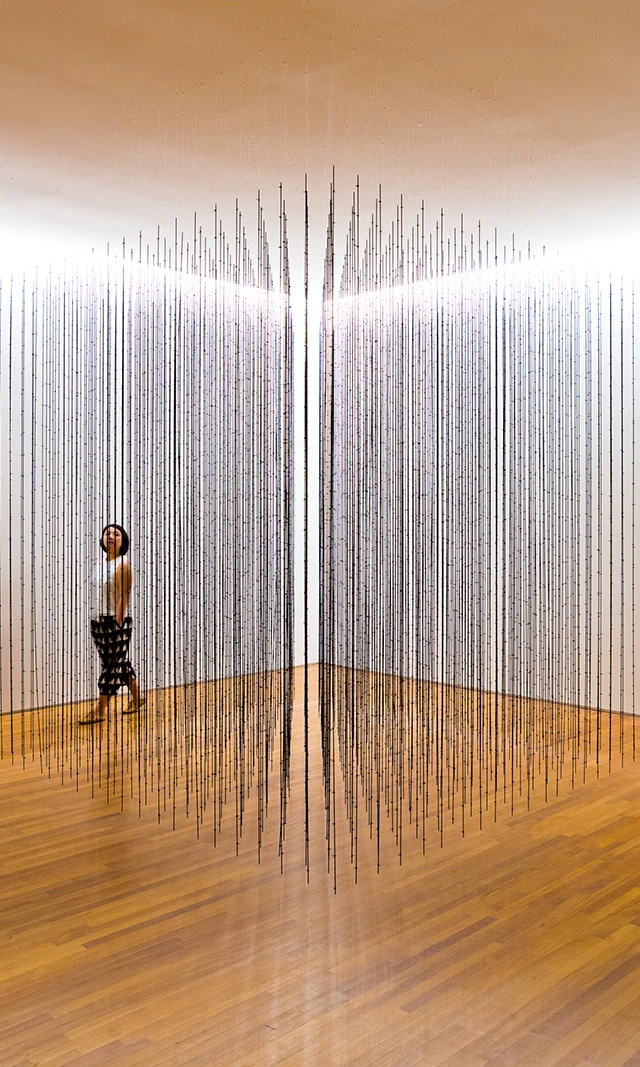
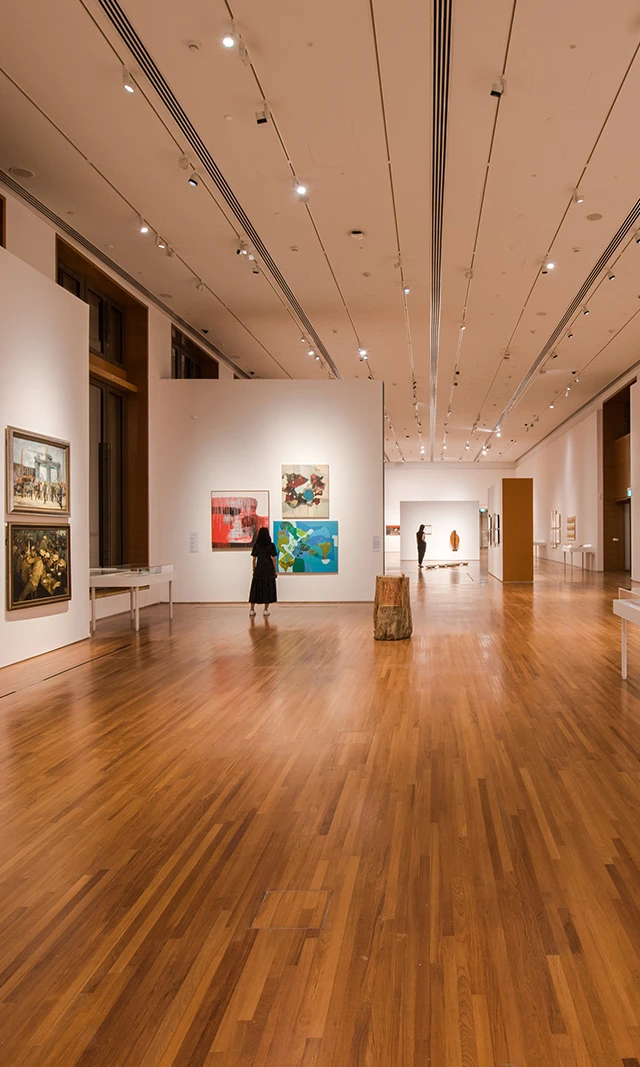
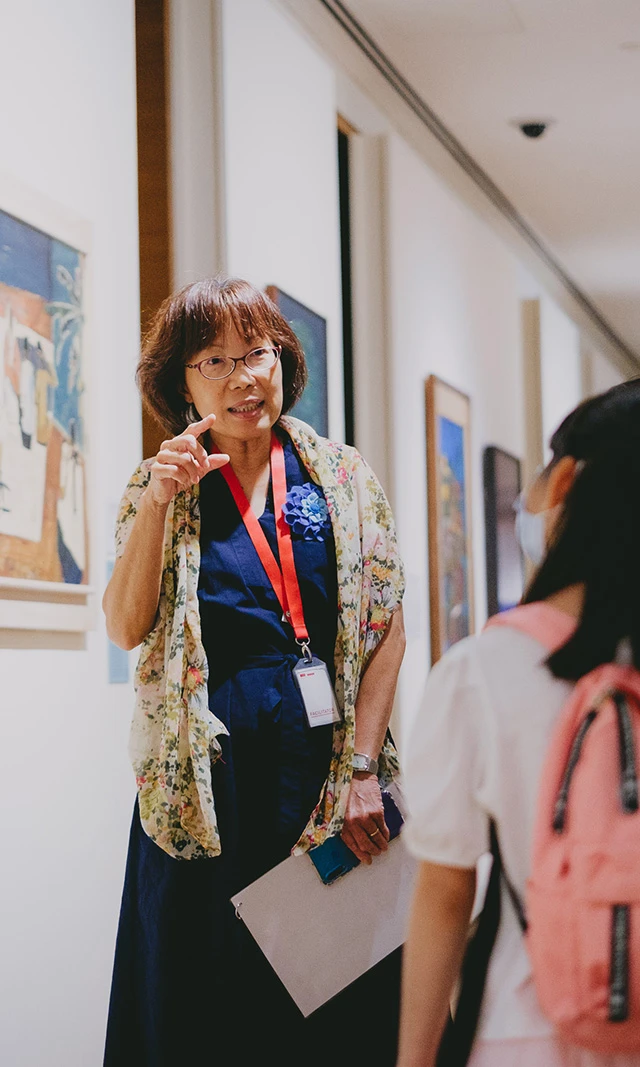
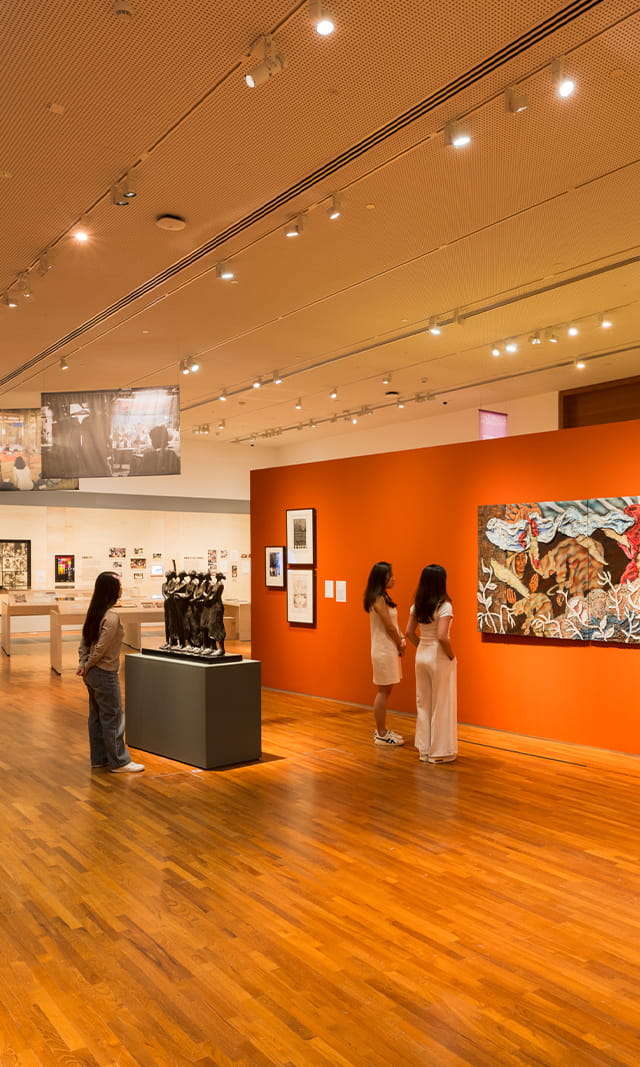
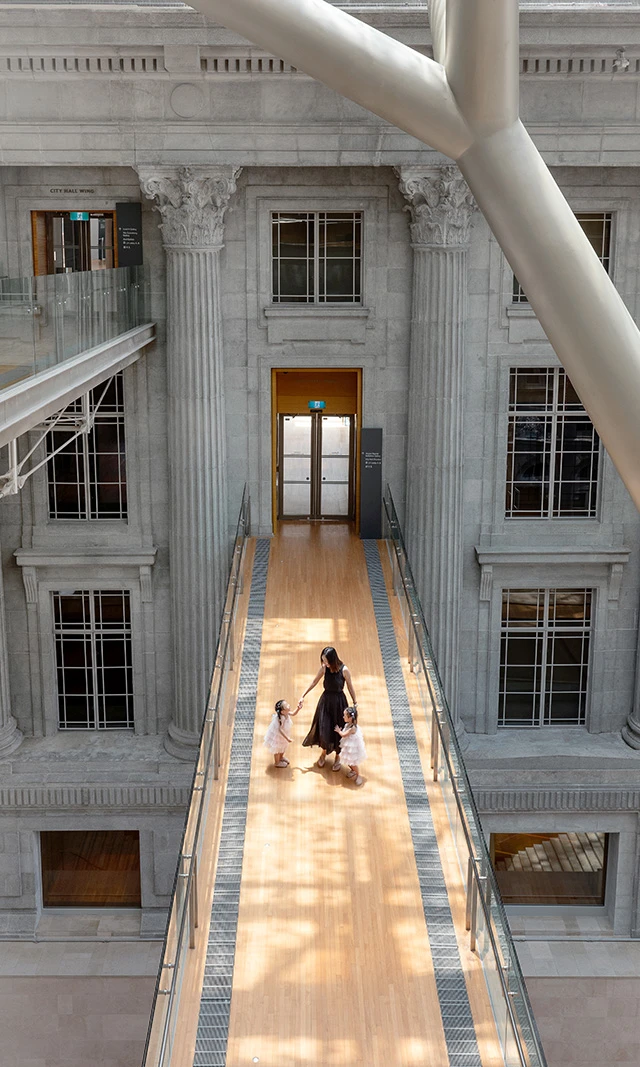

The opening of National Gallery Singapore comes at a time of great significance for Singapore, in her 50th year of independence. What is the relationship of art to a nation like Singapore and how can we understand its role in the last fifty years? These are some of the questions that the exhibition Siapa Nama Kamu? Art in Singapore since the 19th Century seeks to address. The exhibition and this accompanying publication aim to provide visitors with an understanding and appreciation of Singapore art, its development and links with Southeast Asia, Asia and other parts of the world. One of the key underlying issues that will be addressed is the relationship between modernism and modernity in Singapore. It will explore how we can better understand the story of art in Singapore in relation to the story of Singapore itself; how the development of art in Singapore relates to the modernisation of Singapore as a society. It will further examine some of the leading factors that have shaped this development of art and how this is connected to the development of art in the region, offering ways in which we can understand our art within a larger, regional and even global context.
The title of the exhibition, Siapa Nama Kamu?, which means “What is your name?” in Malay, is derived from Chua Mia Tee’s National Language Class, which was painted in 1959, the year Singapore gained self-governance from the British. It is also a work which has since come to resonate with that historical moment. As such, the title of the exhibition is also a provocation to viewers to consider the parameters of personal and national identity, and how they relate to art in Singapore. While Singapore has been an independent nation for fifty years, she has been a site for the production of art for much longer. The history of modern art in Singapore that Siapa Nama Kamu? presents begins in the 19th century and continues till today. It is especially significant that Siapa Nama Kamu? begins its analysis in the 19th century. Apart from being the first time that the history of modern art in Singapore is being examined and presented in a comprehensive and long-term exhibition, the 19th century represents an important moment and a break. It signifies the beginning of the modern condition and the rise of modern art in Singapore and the region. In so doing, it examines not just the geographical confines of what is Singapore today, but other parts of British Malaya and the Straits Settlements, which had very close and significant connections with, and which was very influential for, the development of art in Singapore. This connection with places outside of Singapore is continued throughout the 20th century, as the exhibition will show by examining artists who had important links to the country.
A survey of this scale naturally engenders a host of questions: How does one begin to understand the term Singapore art? Are there shared experiences that connect artists in Singapore? What are the key impulses that drive the production and reception of art in Singapore? How is Singapore art connected with regional and global art developments? This exhibition seeks to address such questions, while fostering new discussions and thoughts on these issues. Writing the history of modern art in Singapore is not a new endeavour. Siapa Nama Kamu? continues the project began by many other scholars, historians, reseachers and curators, at institutions such as the National Museum Art Gallery, the Singapore Art Museum and the National University of Singapore Museum, among others. What the current project undertakes, is to build upon these foundations to further our knowledge and understanding of this history, revealing new aspects of this historical development resulting from new knowledge that has since become known, as well as, resulting from the research conducted by our curators. This will be reflected in the exhibition by highlighting particular artworks, artists, movements and tendencies, which have, till now, remained under-researched and, further, through the new additions to our national collection. Another key difference is the awareness and understanding of history itself. Recent art practices are brought to bear on this exhibition, stretching the margins of time and challenging the way we consider the register. How we understand history is formed and written. Siapa Nama Kamu? will, therefore, also examine how we think about art history, and the role of the curatorial and of the museum within this constantly evolving understanding of history.
Siapa Nama Kamu? features more than 400 artworks, each significant in its own respect. These works hail from the National Collection as well as external collections; the presence of the latter attest to the generosity and understanding of individuals and institutions around the world who have aided in our endeavour, and to whom we convey our deepest gratitude. It is my hope that this exhibition and publication will foster a greater understanding of art in Singapore, that it will raise as many questions as it will answer about the development of art in Singapore and the role that art has played in the development of Singapore. In this regard, it reflects a key mission of National Gallery Singapore, namely, to further the understanding of the art of Singapore within a global context. It is an exhibition that is of great significance to Singapore, one that has been long in the making.