


Section 01
The “Tropical” and Sources of Modern Art
Where do we find the roots of modern art in Singapore? This essay investigates continuities in the history of image-making in Singapore and attempts to bridge artistic impulses from the 19th century to the 1930s. It is suggested that the “modern” in Singapore art emerged through a complex mix of cultural exchanges since the 19th century.2 “Modern” is understood in this context as the emergence of self-aware artistic expression. In this essay, the “tropical” is used as a framework to consider how Singapore came to be represented and how a distinct local identity emerged for its art. What did it mean to picture a place? How did Singapore become entrenched in the colonial imagination, and how did this relate to localised artistic practices?3 What makes the figure of the artist? These various avenues of enquiry give form to the idea of a “tapestry.” Travellers, itinerant artists and migrants brought with them different pictorial traditions, ideas and methods of image-making which began to converge in Singapore. This richness of Singapore as a site for cultural exchanges formed a significant prelude to the emergence of a truly localised artistic identity by the latter half of the 20th century.
The first aspect of the “tropical” offers a dialogue between the 19th and 20th centuries in the form of recurring visual motifs. In the 19th century, European understanding of Singapore unfolded through visualising people and landscape. Palm trees, kampong scenes, and studies of local inhabitants were some impressions which began to emerge. These motifs would later recur in the works of artists based in Singapore from the 1930s onwards. Though these motifs present apparent formal continuities, the “tropical” framework is intended to question and unravel the significance of these continuities, not necessarily to attempt a grand linear narrative of Singapore art across time.4 In this way, the 19th and 20th centuries are set up as a dialogic proposition, situated in relation to each other, opening up a discussion about the ways in which they may be related.
The second aspect of the “tropical” traces artistic impulses and how visualising this sensorial and climatic condition began to take on various meanings across time. Between the 19th and the 20th centuries, the artist’s nature of engagement with locality progressed along three trajectories:
- Colonial prospect of “tropical” as knowledge accumulation and commercial value;
- Itinerant artists who incorporated “tropical” motifs into their practice yet did not leave a lasting impact on the Singapore art scene;
- The rootedness of migrant artists who made Singapore their home and sought to represent local identity, emerging through discussions of the “Nanyang” by the 1930s.
In tracing this changing impetus for artistic practices, the fostering of a cultural milieu which supported artistic professions is also considered.
Section 02
Early Impressions of Singapore and the Straits Settlements
This observation appeared in an article “Die Tigernoth in Singapore” published in German popular broadsheet Die Gartenlaube in 1865. The accompanying print, Unterbrochene Straßenmessung auf Singapore (Interrupted Road Surveying in Singapore) (fig. 1) by Heinrich Leutemann, illustrates G.D. Coleman’s encounter with a tiger in the vicinity of the jungle in 1835 during a surveying trip, as reported in John Cameron’s Our Tropical Possessions in Malayan India.6
.jpeg/_jcr_content/renditions/cq5dam.web.1280.1280.jpeg)
Fig. 1. Heinrich Leutemann. Unterbrochene Straßenmessung auf Singapore (Interrupted Road Surveying in Singapore). c. 1865. Wood engraving, 20.8 x 29.4 cm. Collection of National Museum of Singapore.
Fig. 1. Heinrich Leutemann. Unterbrochene Straßenmessung auf Singapore (Interrupted Road Surveying in Singapore). c. 1865. Wood engraving, 20.8 x 29.4 cm. Collection of National Museum of Singapore.
“Die Tigernoth in Singapore” begins with an account of an escaped jaguar from a local zoo and notes the Coleman incident in Singapore, revealing an imagination of the purported dangers lurking within tropical jungles. Recent scholarship has focused on the historical and metaphorical significance of the tiger.7 It has also been suggested that the Coleman incident was possibly exaggerated or might not have occurred at all.8 Regardless of its veracity, this tale inspired the print by Leutemann, presenting a dramatic moment when the ferocious tiger leaps out from the dense undergrowth. Based on Cameron’s account, the tiger harmlessly knocked over Coleman’s theodolite, returned to the jungle and no one was hurt.9 For the curiosity of this incident, this print remains one of the most fascinating images in present-day discourse on 19th-century prints of Singapore.
This print is situated as an entry point to the survey on early impressions of Singapore in the 19th century because it aptly embodies several points. The debate on the truthfulness of Cameron’s account suggests that this image may not be a faithful record of historical event. Leutemann’s print demonstrates clearly this gap between image-making and historical reality, revealing the role of the artist in image-making. As close as early prints and drawings of Singapore may function as historical records of the colonial period, these images are still impressions filtered through the eyes of artists. Furthermore, the author of “Die Tigernoth in Singapore” relates Singapore, a port city, to nearby peninsular Malacca. Such impressions of distant lands show how the European imagination of this region might have been interconnected. Thus, this essay also discusses impressions of Malacca and Penang, which were part of the Straits Settlements with Singapore, framing image-making in the region as a conversation.10
Leutemann’s print highlights the role of image-makers. This question of the role of the artist can be further explored by looking at different impulses for image-making in the 19th century. One of the earliest visual impressions of Singapore was made by an unknown draughtsman on board one of the two marine ships which accompanied Sir Stamford Raffles in his survey of the Karimun Islands, seen in Sketch of the Land round Singapore Harbour, dated February 1819 (fig. 2 image not reproduced in the digital edition).11 Together with Sketch of the Settlement of Singapore, at anchor in 4 fathoms, dated April 1819 (fig. 3 image not reproduced in the digital edition), and Philip Jackson’s A View of Singapore from the Sea dated 1823, these are some of the earliest visual records of Singapore as a British settlement. Hydrographic sketches formed part of marine coastal surveying in the 19th century and were typically used by ships for navigational purposes.
One aspect of the artist in the 19th-century European context was a person who possessed skills to depict accurately what was seen. Most official expeditions and survey ships would appoint an official artist or draughtsman to record their voyages. For example, British naval officers were required to learn draughtsmanship in order to record accurate information about coastlines and harbours.12 Before the advent of photography, visual recordings formed the most common method of accumulating knowledge of people, places as well as the natural history of distant lands. Though not necessarily created as aesthetic objects, these visual recordings at times reveal traces of the artist, and often share formal similarities with later works of the same subject matter created purely for artistic expression. For example, the distant view from the sea looking towards the island can be seen in watercolours such as Robert Wilson Wiber’s Panoramic View of Singapore from the Harbour (fig. 4).
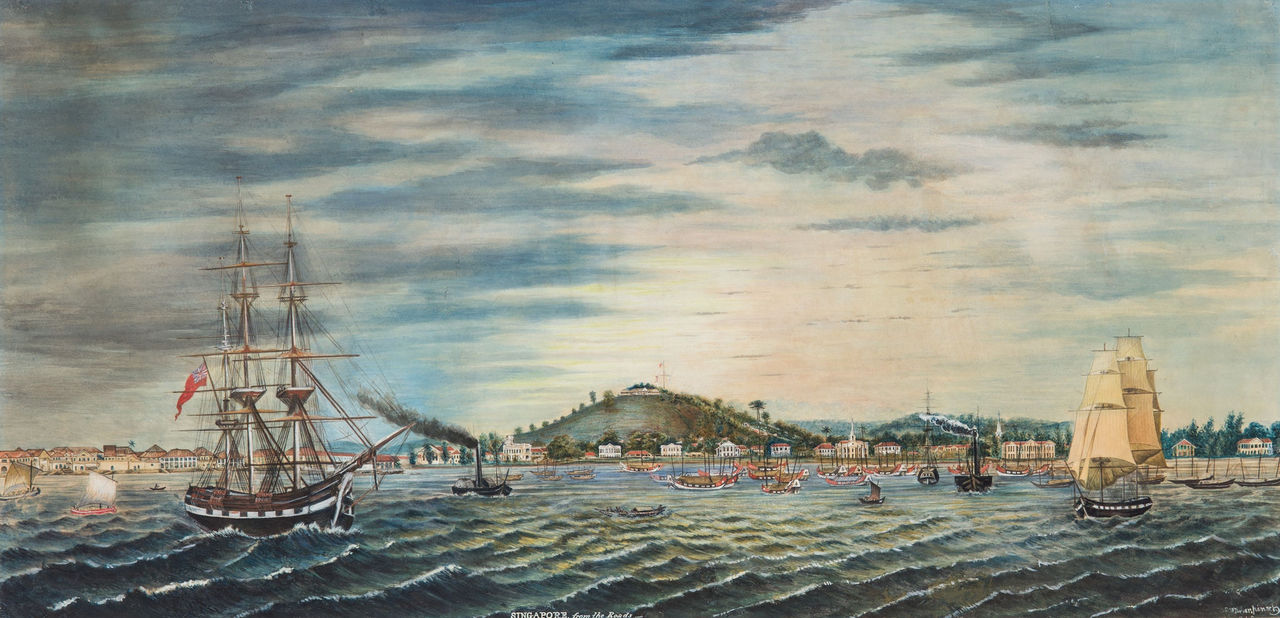
Robert Wilson Wiber. Panoramic View of Singapore from the Harbour. 1849. Watercolour and gouache on paper, 32 x 67.5 cm.
Fig. 4. Robert Wilson Wiber. Panoramic View of Singapore from the Harbour. 1849. Watercolour and gouache on paper, 32 x 67.5 cm.
Popular representations of Singapore in the 19th century included harbour and port scenes as Singapore was predominantly known as a British port on the trade route between Europe and the Far East. Prints and illustrated expedition narratives produced in Europe often represented Singapore as a port-of-call, focusing on its commercial significance.13 The French scientific navigation to the Pacific Ocean on board La Favorite (1829–1832), led by Captain Cyrille Laplace, reached Singapore, its first Southeast Asian city, on 17 August 1830.14 Sincapore, a view of the Singapore River based on a drawing by François-Edmond Pâris, lieutenant and naval draughtsman on the voyage, was one of 72 special edition aquatints published alongside the expedition narratives and scientific findings of the journey. Such expedition narratives served a significant role in popularising and establishing impressions of Singapore as a port city throughout the 19th century. This print also shows that the motif of the Singapore River has existed as one of the impressions of Singapore since the 19th century.
The distant views of Singapore’s harbour and port encountered by exploratory voyages would later give way to a closer look into Singapore’s interiors, its townscapes and inhabitants, as the island was encountered in a more personal capacity. More instances of locally-based production of works also emerged. British officers who worked as surveyors, architects and engineers in colonial Singapore were some of the earliest artists to capture impressions of Singapore, among them, Charles Andrew Dyce and John Turnbull Thomson.15 Dyce’s The Town and the Roadstead from Government Hill (fig. 5 image not reproduced in the digital edition) shows a detailed bird’s-eye view of buildings in Singapore and features the figure of the artist sketching upon the hill. To his left, an officer in uniform is holding a scope, looking towards the sprawling expanse of the settlement below. Such topographical impressions of Singapore with its typical perspective from a high vantage point give a sense of the wealth of resources and extent of development of the colony.16 Another example, Thomson’s Chinese and Seamen’s Hospitals, Singapore (fig. 6 image not reproduced in the digital edition), includes a more personal connection. The view is of the Chinese Pauper’s Hospital and the Seamen’s Hospital, two buildings Thomson designed, depicted in their original location at Pearl’s Hill.17 Such images, while showing the skills of Dyce and Thomson as artists in their own right, also reveal the deeper engagement these colonial officers had with the landscape of Singapore.
The engagement with nature and landscape was most prevalent in 19th-century scientific explorations of the Straits Settlements. The rich encounter with new lands inspired the accumulation of knowledge. This drive manifested through the collection and categorisation of the flora and fauna of the Malay Archipelago.
The natural history drawings commissioned by William Farquhar during his time as Resident of Malacca from 1803 to 1818 were some of the earliest visual practices in this region. These drawings feature characteristic details of flora and fauna, which formed a crucial aid for scientific study at the time and supplemented the practice of preserving natural history specimens.18 Though commissioned for a scientific purpose, these images nonetheless reveal traces of the unknown artist. Motifs such as rocks and trees in the landscape bear similarities to Chinese ink tradition, as seen in the drawing of Prevost’s Squirrel, Tupai Gading (Callosciurus prevostii) (fig. 7).
.jpg/_jcr_content/renditions/cq5dam.web.1280.1280.jpeg)
Fig. 7. Artist unknown. Prevost’s Squirrel, Tupai Gading (Callosciurus prevostii). 1803–1818. Watercolour on paper, 38 × 54.5 cm. Gift of G.K. Goh. Collection of
National Museum of Singapore.
Fig. 7. Artist unknown. Prevost’s Squirrel, Tupai Gading (Callosciurus prevostii). 1803–1818. Watercolour on paper, 38 × 54.5 cm. Gift of G.K. Goh. Collection of
National Museum of Singapore.
The Singapore Botanic Gardens employed James de Alwis as its first resident artist in 1890.19 His brother Charles de Alwis was employed between 1900 and 1908.20 Within their range of drawings, there are a few unusual compositions which depict the surroundings in which the plant grows, rendered in fine brushwork, such as Sago Palm (Metroxylon sagu) (fig. 8 image not reproduced in the digital edition). These aesthetics may suggest a link to the traditions of watercolour painting which were adapted to suit the taste of English patrons in the British East India Company.21 The De Alwis family was known to have a long tradition of expertise in natural history drawings, beginning with William and George de Alwis who were based in Ceylon.22
Even though these natural history drawings were not intended as purely aesthetic objects, they were created by trained artists who were skilled in painting and so can be seen to embody aesthetic as well as scientific value. Thus, the figure of the artist situates these works within the larger “tropical” framework of visual motifs as well the engagement with locality.
Section 03
Portraiture and Photography
As Singapore became established as a British colony, its inhabitants began to negotiate questions of identity and their engagement with the British authorities and European inhabitants. This process of negotiating the colonial can be seen through genres such as portraiture and photography in the early 20th century, which reveal how different ways of representing people began to develop in the Straits Settlements, in relation to pictorial traditions from Europe or China.
On the one hand, works such as the Portrait of John Crawfurd, British Resident of Singapore (1823–1826) (fig. 9 image not reproduced in the digital edition) demonstrate the image of self as a representation of power and social status. On the other hand, the drawings of John Turnbull Thomson, such as Joseph Pahang (fig. 10 image not reproduced in the digital edition) and Arabs of Mixed Race (fig. 11 image not reproduced in the digital edition) still echo the ethnographic impulse to record encounters with local inhabitants. These European perspectives of representing themselves and others also appeared in the medium of photography from the late 19th century to the early 20th century.
As with portraiture, the output of photography studios further added to the proliferation of images which came to represent Singapore culture and society. More prominently known studios were initially established by arrivals from abroad such as August Sachtler, G.R. Lambert and John Thomson, most of them having travelled around the region and found Singapore to be a convenient base. By the early 20th century, Japanese and Chinese photography studios were also established in Singapore.23
Commercial photography studios in late 19th-century and early 20th-century Singapore often produced photographs representing local inhabitants of different ethnicities, which established tropes of identity. Photographs illustrating different professions, such as barbers or hawkers were also popular, revealing how local people were perceived and modelled as a projection of their identities. While these photographs were at times commissioned by individuals, they were also mass-produced to meet market demands. A. Sachtler & Co.’s output reveals photographs produced in different formats to suit their clientele (figs. 12 and 13 images not reproduced in the digital edition).
Recurring motifs, such as palm trees seen in Malay Men under a Traveller’s Palm, also suggest a continuing interest in staging engagements with the landscape for public consumption. The outdoor setting of a photograph, such as European Men at Attap House in Jungle evokes a life far from centres of civilisation and alludes to the commercial appropriation of the natural wealth of this island.24 Other typical compositions include people working in a plantation or posing by a felled tree.25 There was also a fascination with the produce of this region, as seen in compositions of fruits photographed in the studio space, such as Portrait of Tropical Fruits (fig. 14) by G.R. Lambert & Co.
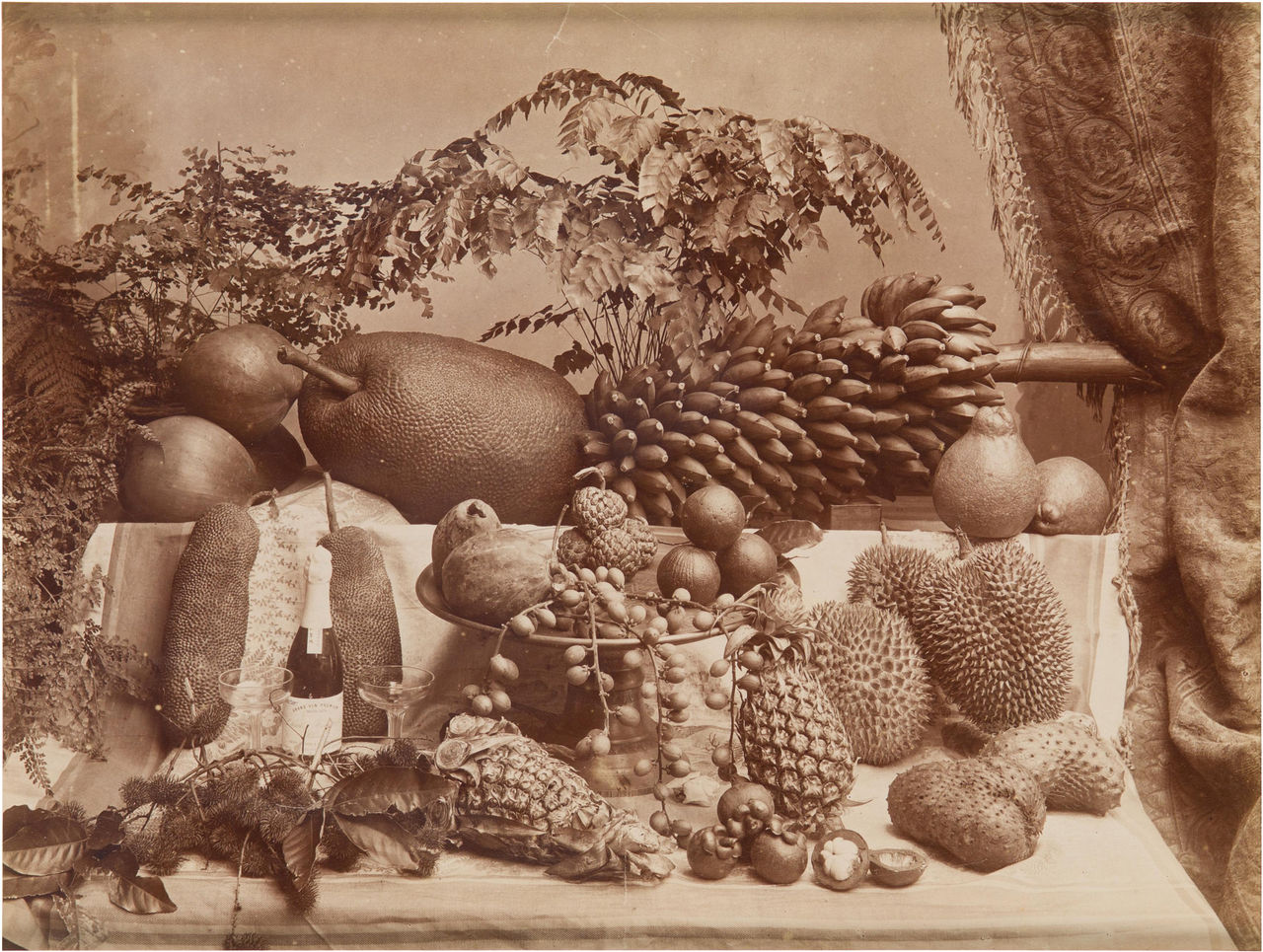
Fig. 14. G.R. Lambert & Co. Portrait of Tropical Fruits. 1886–1888. Albumen print, 20.9 × 27.7 cm. Collection of National Museum of Singapore.
Fig. 14. G.R. Lambert & Co. Portrait of Tropical Fruits. 1886–1888. Albumen print, 20.9 × 27.7 cm. Collection of National Museum of Singapore.
The advent of photography led to easily reproduced images in various formats which facilitated exchange and circulation globally, perpetuating these emergent images of the Singapore tropical which eventually became entrenched.
European perspectives of representing self and others in portraiture and photography, however, are further complicated when situated alongside other forms of image-making practices in this region. Straits Chinese communities already had an established tradition of producing ancestral portraits. For instance, the ancestral portraits of Mr and Mrs Chee Kiat Bong (fig. 15 image not reproduced in the digital edition) from Malacca were created for commemorative purposes and facilitated customary rituals of honouring ancestors. As the 20th century progressed, prominent Straits Chinese personalities were amongst the earliest to adopt the medium of oil to represent themselves, such as Luo Yi Hu’s Portrait of Tan Kim Seng. The range of image-making practices among the Straits Chinese communities in Malacca, Penang and Singapore suggests a common engagement with portraiture within the region.
.jpg/_jcr_content/renditions/cq5dam.web.1280.1280.jpeg)
Fig. 16. Yu-Tao. Portrait of Khoo Seok Wan, in the album Fengyue qinzun tu (Painting of Zither Romance). 1898. Chinese ink and colour on paper. Collection of Mr Ong Cheng Kian.
Fig. 16. Yu-Tao. Portrait of Khoo Seok Wan, in the album Fengyue qinzun tu (Painting of Zither Romance). 1898. Chinese ink and colour on paper. Collection of Mr Ong Cheng Kian.
Yu-Tao’s portrait of the renowned poet Khoo Seok Wan from the album Fengyue qinzun tu (Painting of Zither Romance) (fig. 16) is exemplary of another form of image-making in the late 19th century in Singapore. In the portrait, Khoo is seated on a boat accompanied by symbols of scholarly pursuit, such as a table laden with books and a cup of tea. He is playing a zither, a classical Chinese musical instrument, the mastery of which is one of the skills required of a learned figure. This album, consisting of a collection of images and calligraphy created in the Chinese literati tradition, is dedicated to Khoo and meant for private circulation amongst his circle of friends.26 The rarity of this type of image-making provides a significant contrast to the more public construction of self and identity seen in other portraits and photographs mentioned above. Such a range in the representations of people in the late 19th century and the early 20th century reveal complexities in the use of portraiture as a means to convey status and project identity.
While this essay is envisioned as a starting point for a conversation about various trajectories of artistic impulses from the 19th century through to the 20th century, it is by no means a definitive or prescriptive narrative. At present, based on availability of materials, this essay predominantly focuses on European, Chinese and Straits Chinese traditions. While the current selection of works in this essay highlights the aesthetic values and pictorial schema evident in these traditions, there are also other avenues of enquiry to be further explored. For example, the Malay Archipelago had its own sculptural, textile and decorative art traditions, as well as illuminated manuscripts and early illustrated newspapers. Munshi Abdullah’s Hikayat Abdullah, first published in 1849, is an example of early Malay printed material which includes a decorated frontispiece. The question of the artefact in the 19th century is also complex; the relationship between art and ethnographic artefact is still to be explored. Another trajectory to consider would be visual culture materials such as Chinese comic illustrations and seal carvings.27
Section 04
Emergence of the Artist
As evident in portraiture and photography, the European gaze implicit in 19th-century impressions of Singapore would become increasingly contested in the 20th century. The arrival of Europeans in Singapore and the region introduced new modes of perception and representation which informed local artistic production. As a result, individualistic artistic impulses and the notion of art as self-expression began to emerge. The sensorial encounter reminiscent of early European engagements lived on, as local artists constructed their own impressions of this tropical island.
The establishment of the Singapore Amateur Drawing Society in 1909 fostered the emergence of local artistic practices embodied by figures such as the Low brothers, Low Kway Soo and Low Kway Song. The latter was one of the earliest professional artists to practise within the region, who made a living through his photography studio as well as commissions. Low Kway Song’s Lynx (fig. 17 image not reproduced in the digital edition) and Thai Temple have been accorded significant art historical interest because there are very few extant oil paintings from Singapore which could be traced to this initial period of artistic production in the early 20th century.28 Low Kway Song’s prolific output showcases his movements through Singapore, Malaya and Thailand. He was also one of the earliest figures who carried the self-awareness of an artist and created artworks inspired by his encounters around the region.
By the 1930s, Singapore had become a rich ground for artistic practices with the arrival of European artists from abroad including Dora Gordine, Karl Duldig and Rudolfo Nolli. “I am enthralled by the East,” said Gordine, reflecting on her time in Singapore where she was inspired to create her iconic bronze heads, some of the earliest local sculptures made.29 Gordine was commissioned to create a series of sculptures representing various ethnicities for Singapore’s Municipal Building in the 1930s.30 Gordine recalled that she was fascinated with the gracefulness and quiet dignity of the locals, which she sought to reflect in her sculptures.31 These European artists stayed in Singapore for a short time, inspired by the sights and people they encountered. Tina Wentscher, a sculptor, and Julius Wentscher, a painter, participated in representing Malaya in the Glasgow Empire Exhibition in 1938; the former worked on sculptures for the exhibition, while the latter designed a Malayan pineapple display.32 Gordine, Duldig and the Wentschers also held various exhibitions in Singapore, enriching the cultural scene during the 1930s and contributing significantly towards flourishing artistic practices in Singapore.
Distinct from these itinerant artists is Richard Walker, a British artist who would leave a more lasting impact on continuing traditions in Singapore art. As the art superintendent for the Department of Education in Singapore between 1923 and 1951, Walker was responsible for the teaching of art in the local British schools.33 He was one of the founding members of the Singapore Art Society in 1949 and contributed to the development of the watercolour tradition in Singapore. His student Lim Cheng Hoe went on to become one of the most prolific and renowned watercolourist in Singapore.
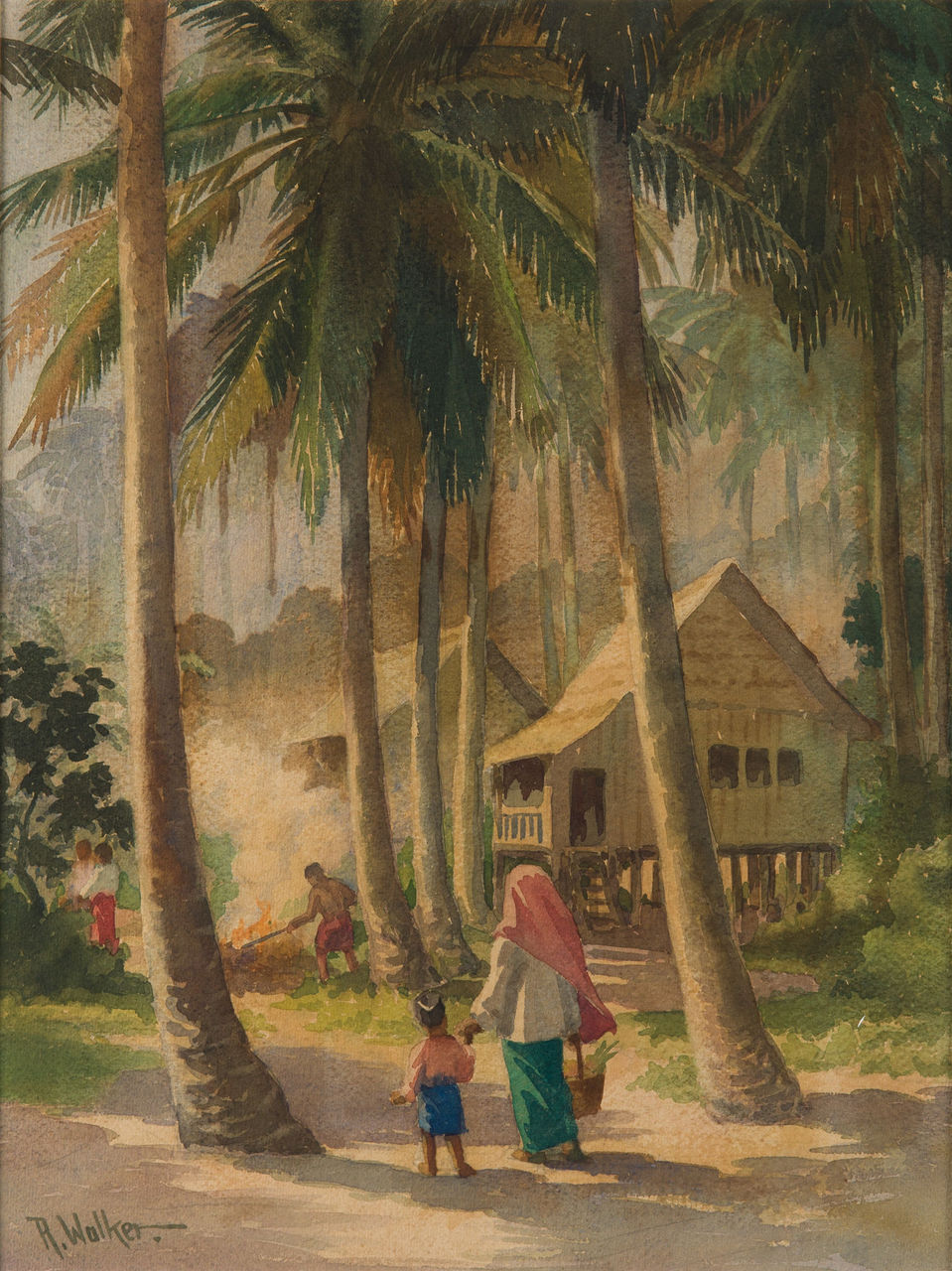
Walker’s watercolour Malay Kampong (fig. 18), seen in juxtaposition with Lim’s Balek Kampong (fig. 19), alludes to this connection between the two artists.
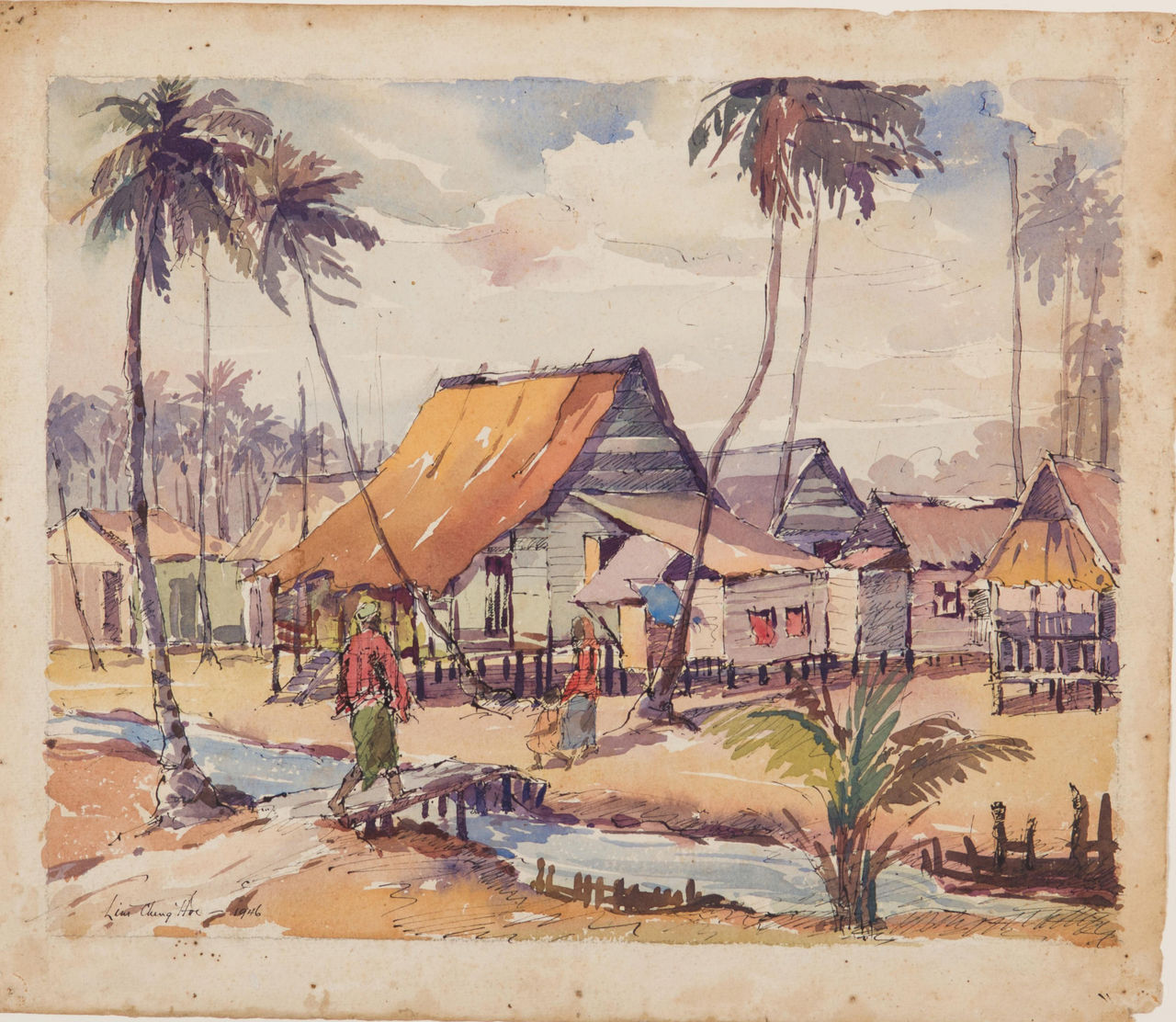
Walker’s watercolour Malay Kampong (fig. 18), seen in juxtaposition with Lim’s Balek Kampong (fig. 19), alludes to this connection between the two artists.
Walker’s watercolour Malay Kampong (fig. 18), seen in juxtaposition with Lim’s Balek Kampong (fig. 19), alludes to this connection between the two artists.
Section 05
Artistic Activities before the War
Artists who would become prominent in the history of Singapore art, such as Liu Kang, Chen Chong Swee and Lim Hak Tai, already had an earlier connection with this region. Liu Kang spent his early years in Muar, Johor, was educated in Shanghai and Paris in the 1920s and later returned to Malaya in 1937.34 Chen Chong Swee had arrived in Singapore by 1934.35 He began to take an interest in the local environment, as shown in his early work, Kampong Scene, painted in 1937.36 Lim Hak Tai arrived in Singapore between 1936 and 1937.37 In 1938, Lim founded and became principal of the Nanyang Academy of Fine Arts, the oldest formal tertiary art institution in Singapore.38 Lim’s Still Life – Flowers (fig. 20), completed in Singapore in 1938, is possibly the earliest still life study in oil that remains today.
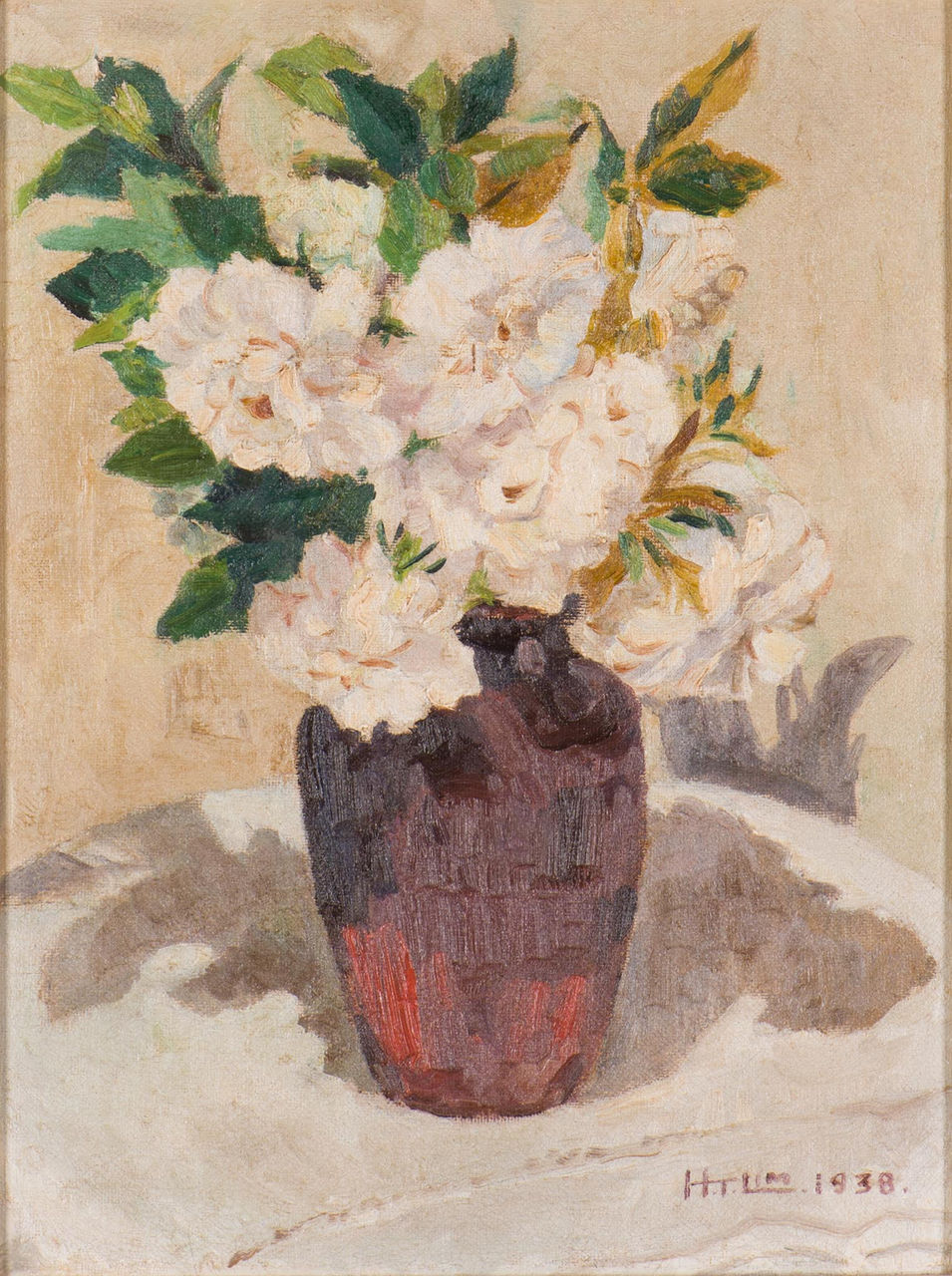
Fig. 20. Lim Hak Tai. Still Life – Flowers. 1938. Oil on board, 40.5 × 30.5 cm.
Fig. 20. Lim Hak Tai. Still Life – Flowers. 1938. Oil on board, 40.5 × 30.5 cm.
Lim was active in the Society of Chinese Artists together with Tchang Ju Chi. Works such as Tchang Ju Chi’s Still Life (fig. 21), a composition featuring mangoes, rambutans and mangosteens against a piece of batik fabric in the background, reveal an interest in local motifs which began to emerge from the 1930s.
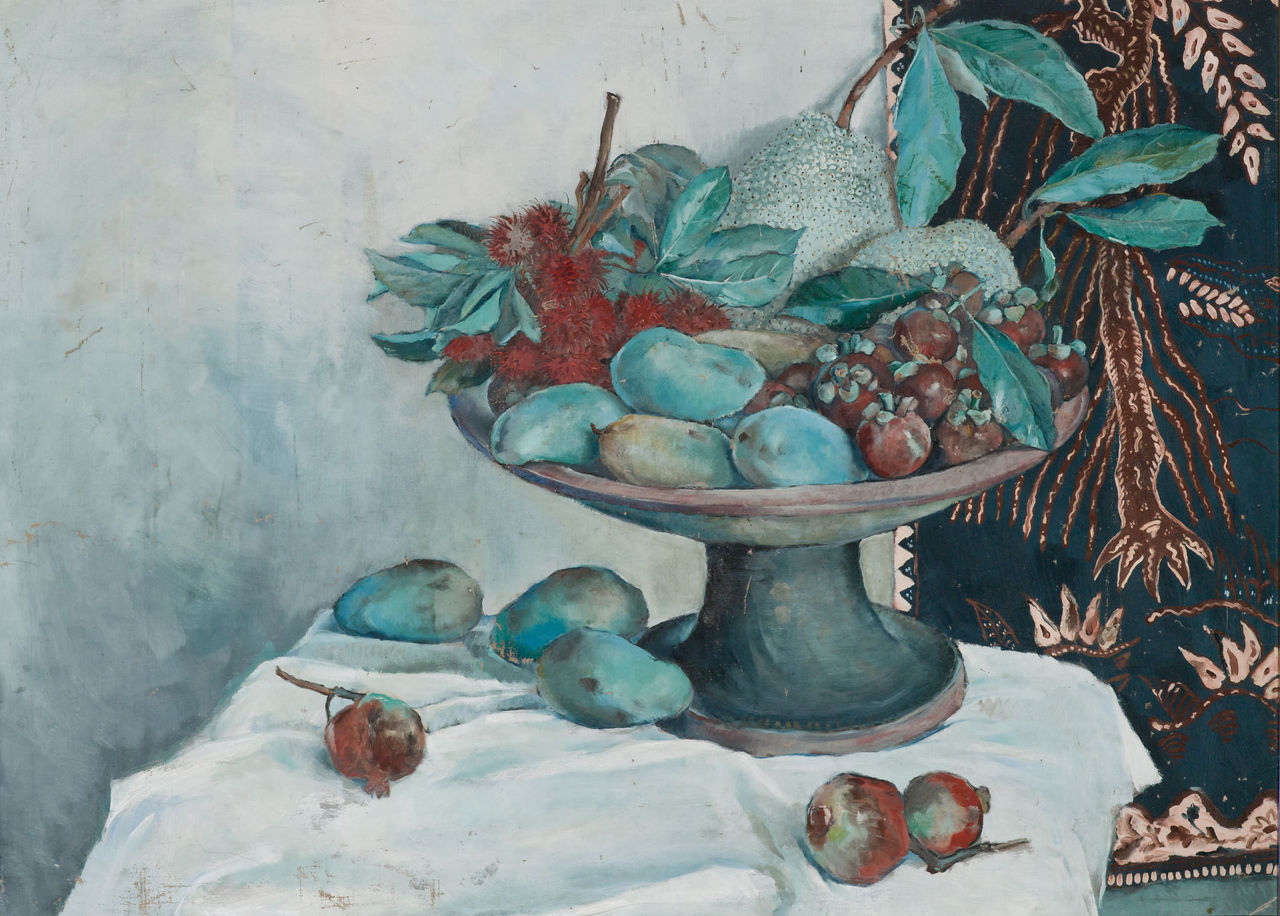
Fig. 21. Tchang Ju Chi. Still Life. c. 1930s. Oil on canvas, 94 × 130 cm. Gift of Chang Si Fun (Shewin Chang).
Fig. 21. Tchang Ju Chi. Still Life. c. 1930s. Oil on canvas, 94 × 130 cm. Gift of Chang Si Fun (Shewin Chang).
During this time, Chinese-speaking writers and artists adopted the term “Nanyang” to reflect the geographical region southeast of China where they settled, and urged one another to explore localised forms of literary and artistic expressions.
The artistic climate of the 1930s was also characterised by cosmopolitanism. Some artists, including Liu Kang and Tchang Ju Chi, were trained overseas, while others such as Xu Beihong and Georgette Chen had held exhibitions abroad and achieved recognition internationally before their arrival in Singapore. These artists brought with them the visual vocabularies of the School of Paris, which gradually entered the local painting idiom.
Xu Beihong visited Singapore seven times between 1919 and 1942.39 Portrait of Lim Loh (fig. 22) dating back to 1927 is one of the earliest-known oil paintings by Xu.
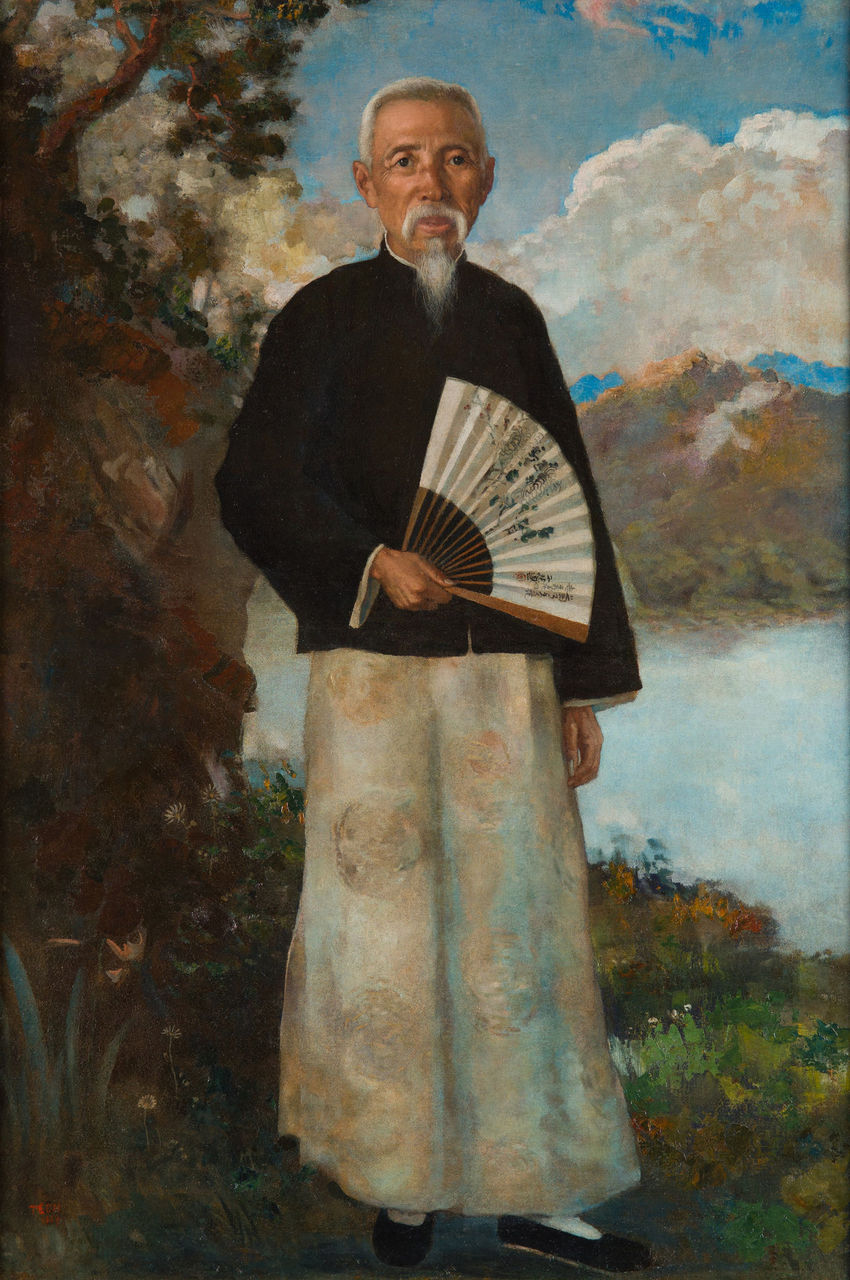
Fig. 22. Xu Beihong. Portrait of Lim Loh. 1927. Oil on canvas, 114 × 76 cm. Gift of Lim Family in memory of Lim Loh.
Fig. 22. Xu Beihong. Portrait of Lim Loh. 1927. Oil on canvas, 114 × 76 cm. Gift of Lim Family in memory of Lim Loh.
This portrait of Singapore entrepreneur Lim Chee Gee, also known as Lim Loh, shows the artist’s aptitude for realism using oils. Xu was a prominent artist who participated in efforts to modernise art in China and was admired by early Singapore artists such as Chen Chong Swee. Xu’s Put Down Your Whip, painted in Singapore in 1939, was inspired by his encounter with a theatrical performance dramatising the plight of refugees fleeing the war in China. This work is a reflection of the cultural milieu in Singapore at the time, when many Chinese artists, including Xu, were committed to fundraising efforts for refugees during the Second Sino-Japanese War.
Georgette Chen would arrive in Singapore in 1953.40 Through Chen’s oeuvre, it is possible to trace her artistic development from Paris to Hong Kong and Shanghai, and later, to Penang and Singapore. Most apparent is the effect of the tropical light on her paintings. Chen was often inspired to paint subjects and places around her, thus the changing atmosphere was diligently reflected in her paintings.41
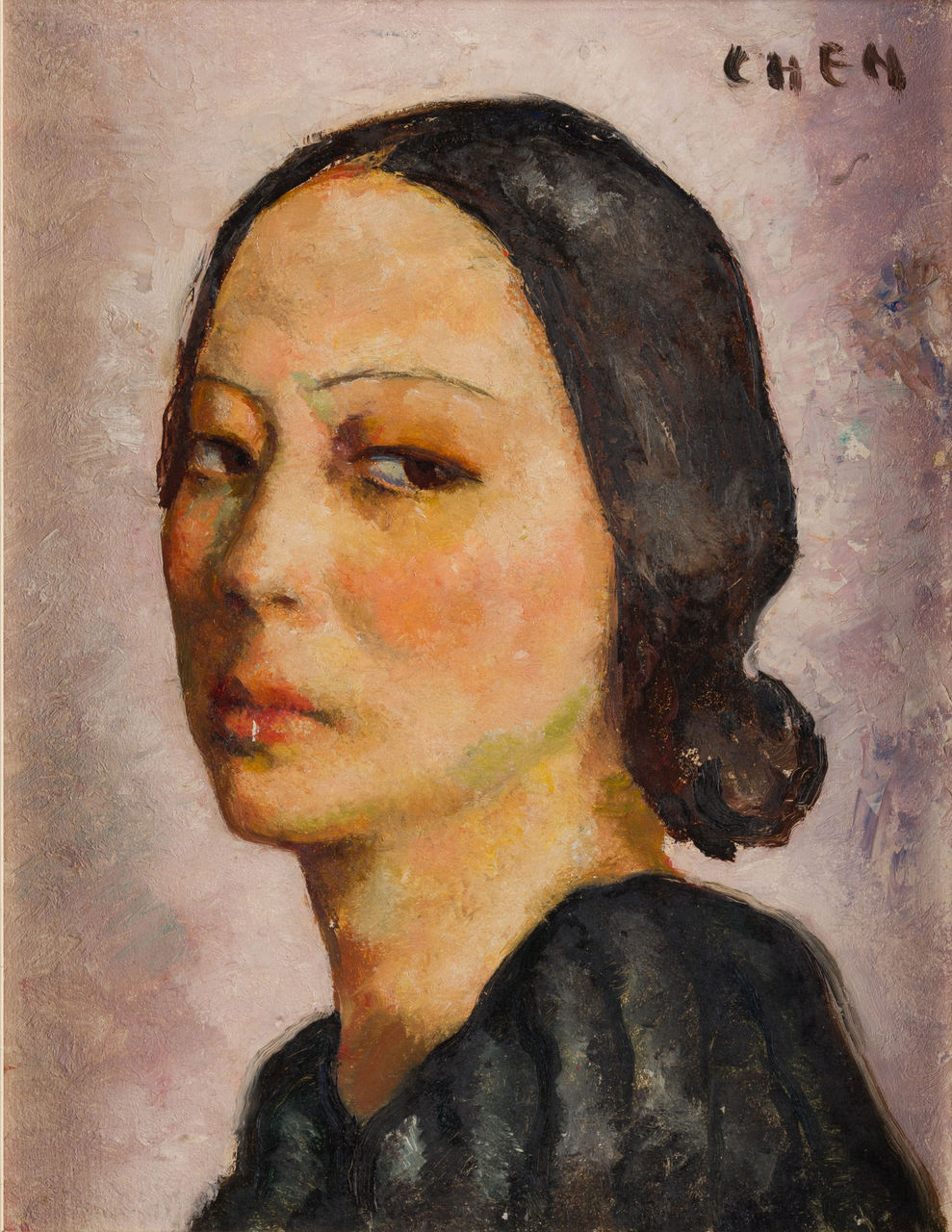
The contrast between her two self-portraits (figs. 23 and 24) shows a shift from soft, muted use of cool colours to a stark simplicity and warm undertones.
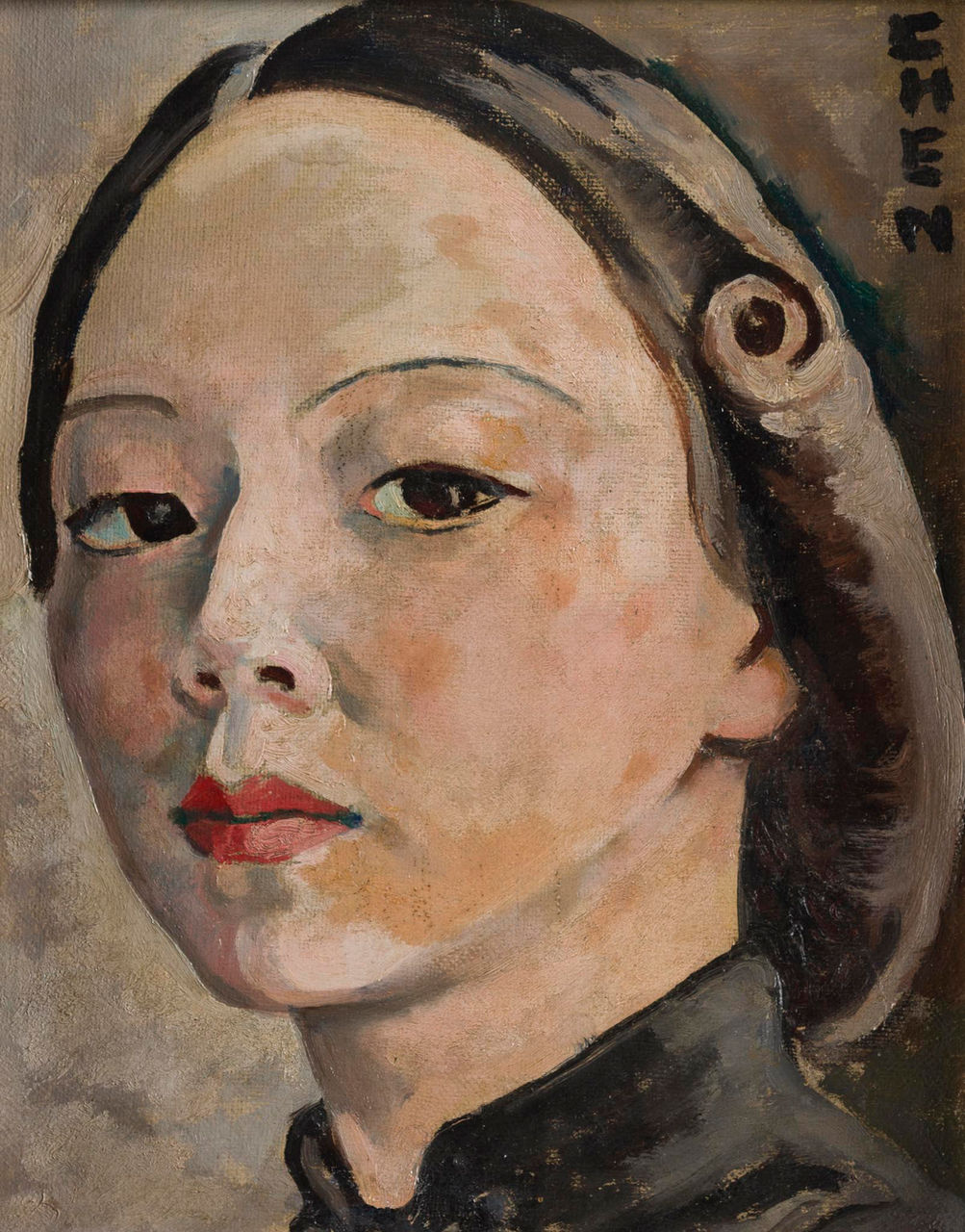
The contrast between her two self-portraits (figs. 23 and 24) shows a shift from soft, muted use of cool colours to a stark simplicity and warm undertones.
The contrast between her two self-portraits (figs. 23 and 24) shows a shift from soft, muted use of cool colours to a stark simplicity and warm undertones.
Similarly, one of her earliest still life studies Still Life with Cut Apple and Orange, painted between 1928 and 1930 when she was still in France, can be seen in contrast to Vegetables and Claypot, created between 1940 and 1945 upon her arrival in warmer climates. Chen would go on to teach at the Nanyang Academy of Fine Arts, inspiring the next generation of artists with her teachings on art.
Section 06
Towards Nanyang Art
Works from the 1930s reveal early attempts by artists to capture the distinctive character of local life in this region, incorporating tropical light and its motifs. Yet, war soon arrived at the shores of Singapore in 1942, leading to a slowdown in these artistic activities that had emerged in the 1930s. There are, however, continuities between pre-war and post-war art developments, seen in the works by Richard Walker and Tchang Ju Chi, two artists who were active in the Singapore art scene in the 1930s and whose works reflect their experience of the war. For instance, Walker’s Epiphany (fig. 25), possibly meant as an improvised altarpiece in the Changi Prison, refers to his internment during the war, and Tchang’s Untitled, Unfinished (fig. 26 image not reproduced in the digital edition), alludes to his untimely death in 1942, during the Japanese Occupation in Singapore.42
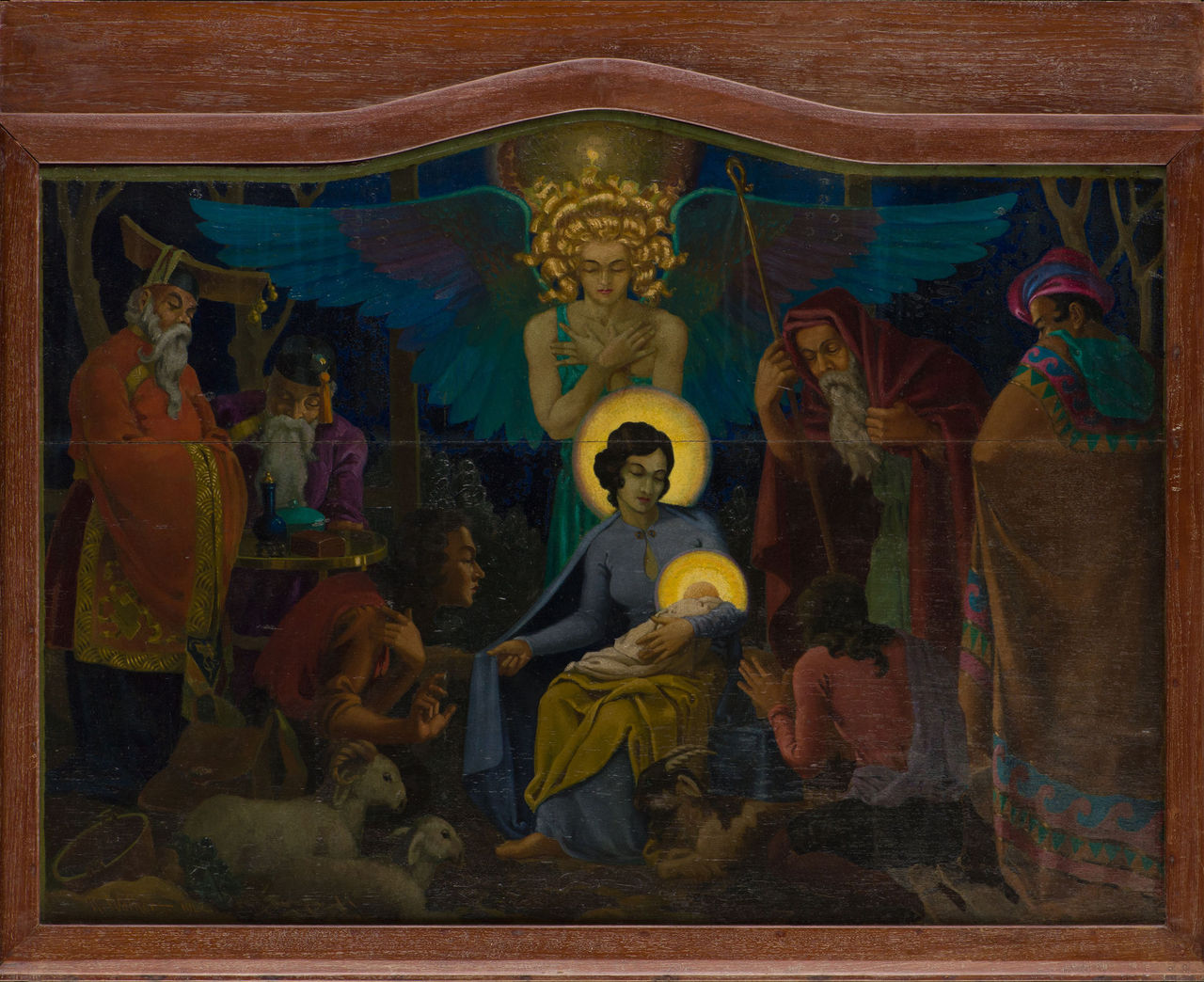
Fig. 25. Richard Walker. Epiphany. 1942. Oil on panel, 71 × 98.6 cm. Gift of Rev. Dr Moses Tay.
Fig. 25. Richard Walker. Epiphany. 1942. Oil on panel, 71 × 98.6 cm. Gift of Rev. Dr Moses Tay.
Tchang leaves behind a small collection of artworks which demonstrates that he had already begun to engage with local tropical motifs; had he survived the war, he could have been one of the major proponents of the Nanyang School.
In the immediate post-war period, amidst political and social upheavals in China, artists who would later become key figures in the local art scene such as Chen Wen Hsi, Cheong Soo Pieng and Fan Chang Tien, also arrived in Singapore. The cultural milieu of the post-war period thus set the stage for the emergence of a truly localised artistic identity for Singapore art by the latter half of the 20th century.